



Western Australia's biggest and only medical research institute dedicated to improving kids' health and wellbeing has rebranded to The Kids Research Institute Australia, and strengthened their already significant focus on Indigenous health.
The Kids, as it is now known, reflects the significance and breadth of research being undertaken to deliver even more impactful outcomes, faster.
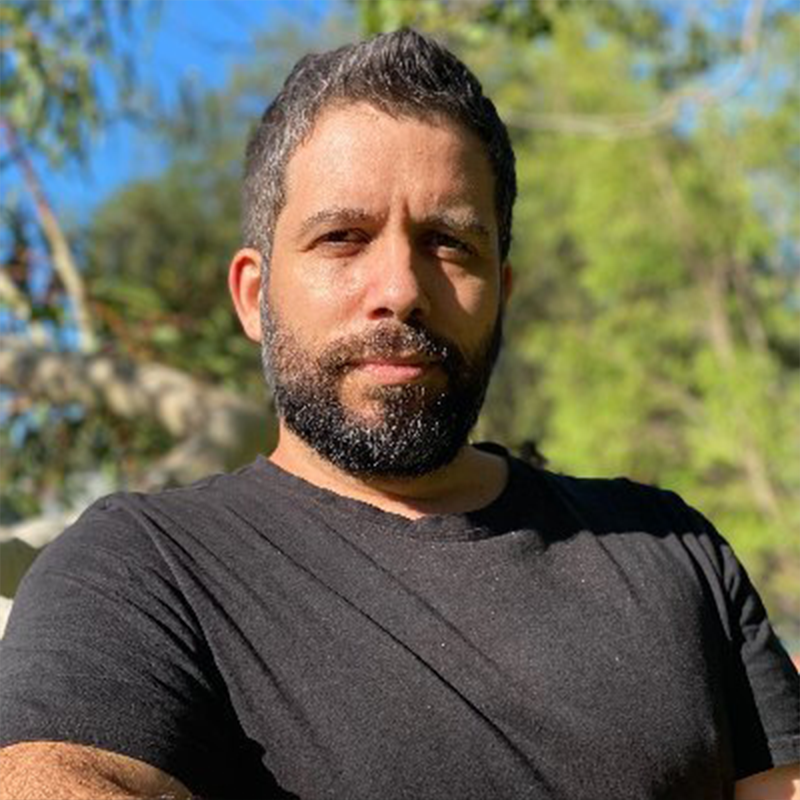
Director First Nations Strategy and Leadership, Associate Professor Glenn Pearson, told National Indigenous Times Aboriginal health has always been a critical part of the institute's work.
"The most important message is that this endeavour, this mission, is about working with communities, Elders and Aboriginal organisations to bring about sustainable measurable health and wellbeing benefit to Aboriginal and Torres Strait Islander kids in Australia," the Noongar academic said.
"Aboriginal health has always been a part of the Institute's life, there is a golden thread from founding director Fiona Stanley that goes all the way through; the baton was passed 15 years ago to Jonathan Carapetis."
Professor Pearson said the institute's strategic development has drawn on the relationships it has with communities, particularly with Aboriginal Community Controlled Organisations and Aboriginal Community Controlled Health Organisations.
"The health of Aboriginal and Torres Strait Islander kids is a primary focus for the Institute... Aboriginal health is not only a priority... it is a theme across everything we do. We integrate it into everything we do, so the health of Aboriginal kids becomes everybody's business," he said.
"We work with the community to clarify exactly what needs to be done... The feedback from Elders is that what distresses them the most is when nothing changes, 30-40 years they have been making the case for the same things, and they still find themselves arguing for them. That struck me deeply in this role.
"We must be creating the conditions for change with these strategies, and part of that involves getting out internal house in order first, now and more so in the future."
Professor Pearson said The Kids has embraced the national Close The Gap agreement.
"I think it's a very powerful instrument. The primary architect was Pat Turner, who we have a lot of respect for. The agreement called for Indigenous leadership at all levels; in the community-controlled sector, national, territory and state governments, and also in mainstream organisations such as the Institute," he said.
"The proposition is... we work with Elders and communities, work with their leaders and the Community-Controlled organisations towards a resolution, an outcome we would like for children, young people, their families and communities."
Professor Pearson said a key part of the work is to "look at what is enabling us and what is stopping us".
"Research alone is not sufficient, there has to be a change in self-reflection, and it has to be relationship-focussed work," he said.
"There are complex challenges and you must work with the community for the resolution of these matters. That won't be achieved with three-to-five year research projects, it has to continue over some time.
"There is incredible strength and passion in the communities and ability in the ACCO and ACCHO sector, but the question is around how we bring that all together. I have been here for 20 years now. This is the proposition we have been taking to the communities. We have a lot of work still to do."
Professor Pearson said there needs to be an acknowledgement that "we will no longer accept this disparity".
"This is a mainstream organisation and it is embedded. There has been a 15-year effort, a fantastic determination and now is the time to bring it together, for another 10 years at least."
Drawing on three decades of cutting-edge discoveries, preventative treatment and the quest for cures for the most baffling childhood diseases, The Kids' purpose is to find solutions to improve the health and happiness of children and young people everywhere.
Professor Carapetis, The Kids's executive director, said the organisation would continue to build on its legacy not just in WA, but across the country and the world.
"From the discovery of the importance of folate during pregnancy to prevent neural tube defects in newborns and unlocking the key to slowing down the progress of childhood leukaemia, to leading the development of national guidelines to assess autism and providing crucial evidence to guide RSV immunisation programs, The Kids has been at the forefront of the most significant advances in child health," he said.
The new brand aligns with the launch of its 10-year strategy "Research Reimagined' that sets out a comprehensive plan for even greater impact.
"This is not something we can or want to do alone, and working alongside community and partners is a key driver of our strategy," Professor Carapetis said.
"Over the next decade and beyond we will focus our research on solving priority problems facing kids' health across the globe. This includes working on a vaccine for Streptococcus A, one of the deadliest pathogens on the planet, developing kids' cancer treatments that are more effective and less toxic and bringing together international leaders in the field of neuro-disability to identify high-risk children in their first months of life to receive early, evidence-based support.
"Critically, we will continue to have an overarching commitment to address the inequity of the health and wellbeing of Aboriginal children and families, which remains devastatingly poor across Australia."
The Kids' new branding encompasses an Indigenous theme of family, country and culture. Created in consultation with Aboriginal staff, the design elements portray a story of strength, where healthy kids are influenced by strong healthy families and communities, and their Country.
"For every member of staff, when we come to work, we think of the kids we are working to help," Professor Carapetis said.



