



Wongutha, Ngarluma and Wudjari-Noongar woman Kayla Williams-Tucker is in her third year of medicine at the University of Notre Dame WA, and was recently named one of three recipients of the 2025 AMA Indigenous Medical Scholarship.
She now hopes to specialise in paediatrics to improve the health and wellbeing of Indigenous children, saying her motivation is personal.
"I want to provide care that is not only high quality, but also compassionate and culturally safe - care that ensures our children grow up healthy, strong and supported," Ms Williams-Tucker said.
"As a mother to a child with developmental needs, I know firsthand how difficult it can be to navigate a healthcare system that too often feels like it was not built for us.
"These personal and lived experiences drive my determination to be a doctor who listens, understands, and walks alongside families during their most vulnerable times."
Her path into medicine was not straightforward as she grew up surrounded by alcohol, drugs, violence and sexual abuse.
She says those experiences no longer weigh her down.
"I am not a victim - I am living proof that strength and healing can grow from hardship," she said.
Those challenges left her grappling with depression, anxiety and suicidal thoughts.
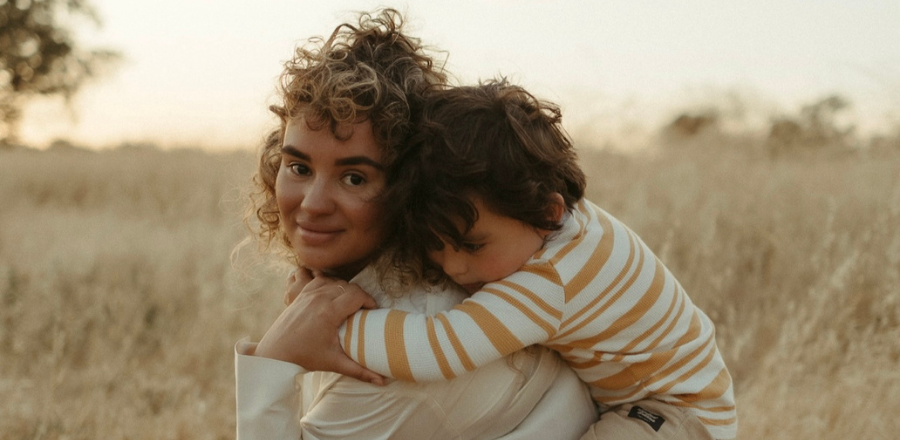
The birth of her son Ezra, now six, became the turning point.
"Becoming a mother has given me clarity, purpose, and healing," she said.
"It also gave me a deeper understanding of what it means to care for someone unconditionally - a quality I will carry with me into medicine.
"I now see my past not as a weight, but as a source of strength. I am grateful for it as it has taught me to adapt, to persevere, and to rise."
She also faced barriers during her studies.
"When I told them I wanted to become a doctor, they 'politely' suggested I aim for something more achievable," she said.
"I walked out of that office feeling limited - but even more determined to prove that I could achieve the dream I had held onto since childhood."
She says her advocacy now extends beyond her own story.
"Real change begins with listening - truly listening - to the voices of those who have walked through the system and seen its failures firsthand," she said.
"Supporting Indigenous health and education means more than creating programs - it means ensuring those programs are built with us, not just for us. Invest in cultural safety, empower Indigenous-led initiatives, and create pathways that allow our young people to believe in their potential."
The AMA Indigenous Medical Scholarship provides $11,000 per year to each recipient for the remainder of their studies.
For Ms Williams-Tucker, the support is both practical and symbolic.
"It has reminded me that my story - one marked by perseverance, cultural pride and generational strength - has a place in this profession," she said.
"It has eased some of the financial pressures that come with balancing study, single parenting, and the cost of living, by allowing me to give my best to both my studies and my son.
"More importantly, it connects me to a wider network of Indigenous medical students and mentors, reinforcing the idea that we do not walk this path alone."
Ms Williams-Tucker says she is guided by her late grandfather's advice to "make sure you finish it".
She hopes her journey will encourage others to pursue their goals.
"If even one child from a background like mine - a child who has faced hardship, adversity, or felt unseen by the world - can look at me and believe that they too are capable of achieving their dreams, then that, to me, is the beginning of real change."
If this story raised any concerns for you, call Lifeline on 13 11 14 or Drs4Drs on 1300 374 377.



