


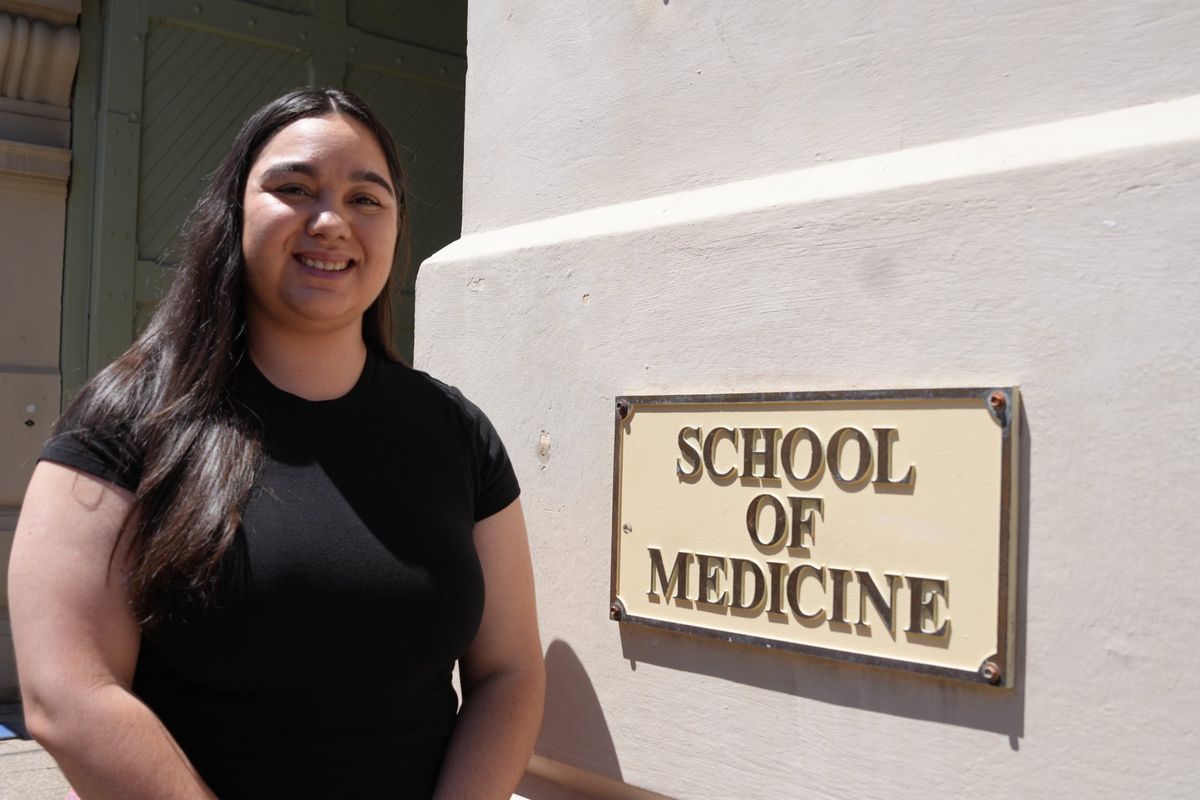
At only eight years old, Brianna Ozies had already decided she wanted to be a doctor.
The proud Djugan woman had firsthand experience of the Indigenous health gap in her hometown of Derby, so she was determined to make a difference.
"As I grew older and became more aware of the disparities in healthcare between Aboriginal and non-Aboriginal people, it became even more important for me to want to be a doctor," she told National Indigenous Times.
"So, my family works very closely with Derby Aboriginal Health Service, and we became good friends with one of the doctors, Dr Carmel Nelson, whom I regard as Aunty Carmel. And at the tender age of eight years old, I wanted to be like Aunty Carmel."
Dr Ozies, who recently graduated with a Doctor of Medicine from the University of Notre Dame in Fremantle, has plans to return to the Kimberley to practice medicine.
It's well known that there is a shortage of doctors in remote and regional Australia. Still, the obstacles for many First Nations people seeking medical assistance are severe, with approximately 17 per cent of Aboriginal and Torres Strait Islander people currently experiencing limited access to a GP.
"So, for me, it's always been the plan to go back to Kimberley and to be a doctor for my people," Dr Ozies said.
"My main aim is to become a GP, a general practitioner, so that I can be involved at the grassroots level and be present at every stage of my patients' journey to enhance their health outcomes.
"And for me, preventative healthcare is where I believe we can see a real improvement in all those poor health outcomes for our people, such as those with end-stage kidney disease, those at the later stages of heart failure, and individuals struggling with mental health."
Carmen O'Donoghue's path to becoming a doctor was starkly different from Dr Ozies's.
The proud Yakunyjatjara woman decided to study medicine after her father had a heart attack while she was working in a pathology lab in Alice Springs.
"And soon after, I found myself doing clinical work in cardiology in the hospital," she said.
"So yeah, I became really fascinated with the heart and soon got a job in cardiac, and it's all kicked off from there.
"It came down to what I want to do — do medicine or specialise in echocardiography — and I chose to return to university and study medicine."
Dr O'Donoghue, who also recently graduated as a doctor from the University of Notre Dame, also intends to practice in the Northern Territory.
"Yeah, I want to in the future, but I need to train," she said.
"So yeah, part of the reason for coming to Perth is that I had to move to train in cardiology, and yeah, they have facilities here, which hopefully will improve in the future.
"It would eventually be beneficial to be involved in that, but yes, there is certainly a clinical need for more specialised cardiac facilities and treatment, rather than patients having to fly interstate."
Unfortunately for the aspiring doctors, the path to studying medicine has involved more than a few challenges.
The most recent Medical Training Survey revealed that around 56 per cent of Aboriginal and Torres Strait Islander trainees experienced some form of bullying, discrimination, harassment (including sexual harassment) and racism.
"From a university level, I personally had experiences where some of the lecturers and some of the tutors here really put me on the spot, particularly when it came to Aboriginal health questions and Aboriginal issues, which made me feel very unsure, and unsafe," Dr Ozies said.
"It also took away learning opportunities for my non-Indigenous peers, and so for me, that was a hurdle that was a bit difficult, and the way I counted that is having one-on-one discussions with my tutors about these topics, as well as talking to my discipline leads and talking to higher-ups about it.
"But I hope that any Aboriginal and Torres Strait Islander medical student going through from here doesn't experience those things that I've had to endure, but we'll see."
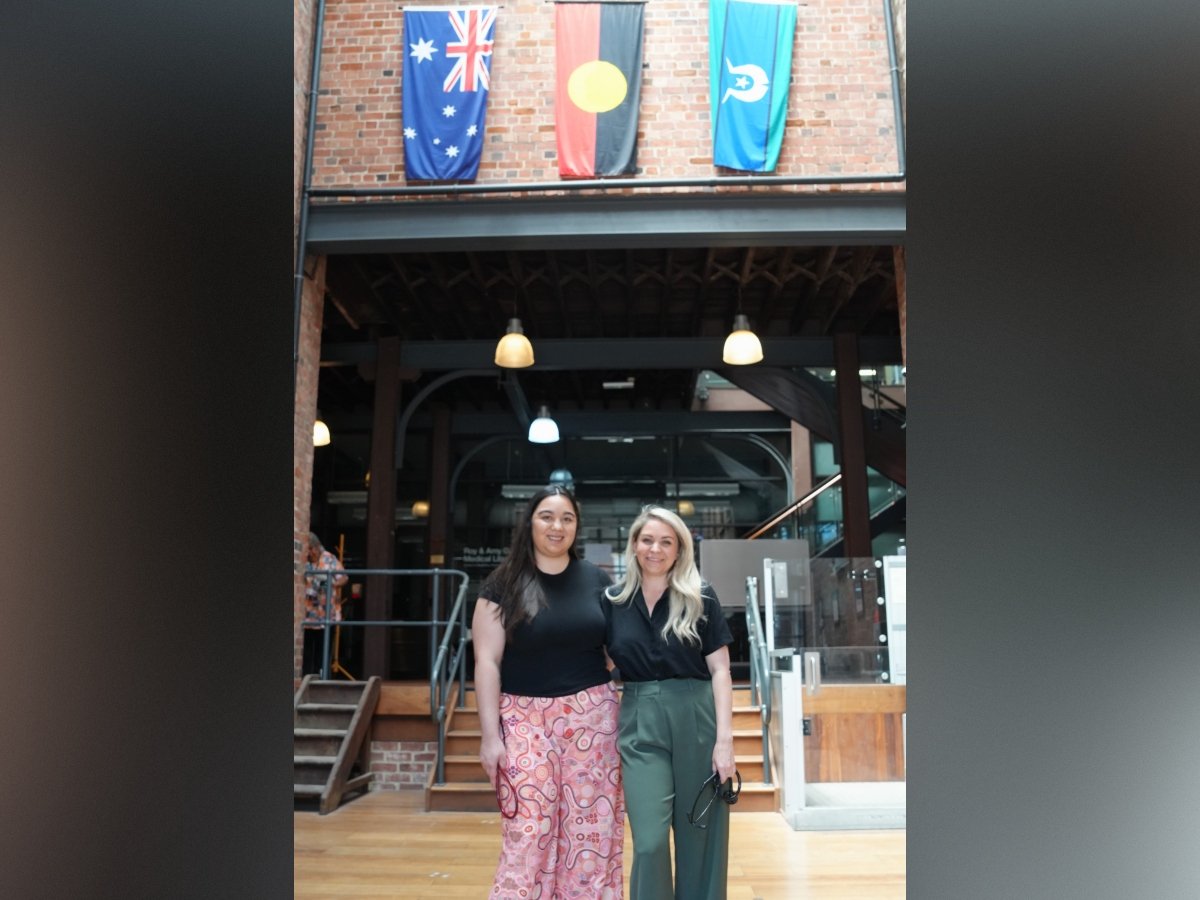
Dr O'Donoghue and Dr Ozies believe that having more First Nations doctors in rural and remote areas will encourage young Indigenous people to seek medical help.
A recent study by the University of Queensland found that young Indigenous people in rural areas were reluctant to see a GP because of the lack of cultural connection with medicos.
The report found that Aboriginal and Torres Strait Islander people would access primary healthcare services if there were Aboriginal providers because they can 'be themselves.'
"One of the reasons is that they don't feel safe or comfortable going to the clinic," Dr Ozies said.
"Having Aboriginal and Torres Strait Islander staff at all levels, from reception to administration and healthcare workers, including doctors, will foster a safer and more welcoming environment for our mob to visit. As a doctor in that setting, I hope it will create a more comfortable space, encouraging my mob to feel genuinely eager to attend the clinic.
Dr O'Donoghue hopes that younger First Nations children are inspired by her journey to become a doctor and pursue medicine.
Currently, only 0.5 per cent of doctors in Australia identify as Aboriginal or Torres Strait Islander.
"I mean, they can do anything they want to do," Dr O'Donoghue said.
"Take our opportunities as they come, even if they are a bit scary, because discomfort is where growth lies.
"I found that really important along the way, just to keep pushing my boundaries and facing my fears, and it's definitely helped me grow as a person."



