




Warning to Aboriginal and Torres Strait Islander people. The following article contains names and images of a person who has died.
The mother of an Aboriginal man who died in custody after gaining more than 100kg in less than three years says her son deserved better healthcare whilst in prison.
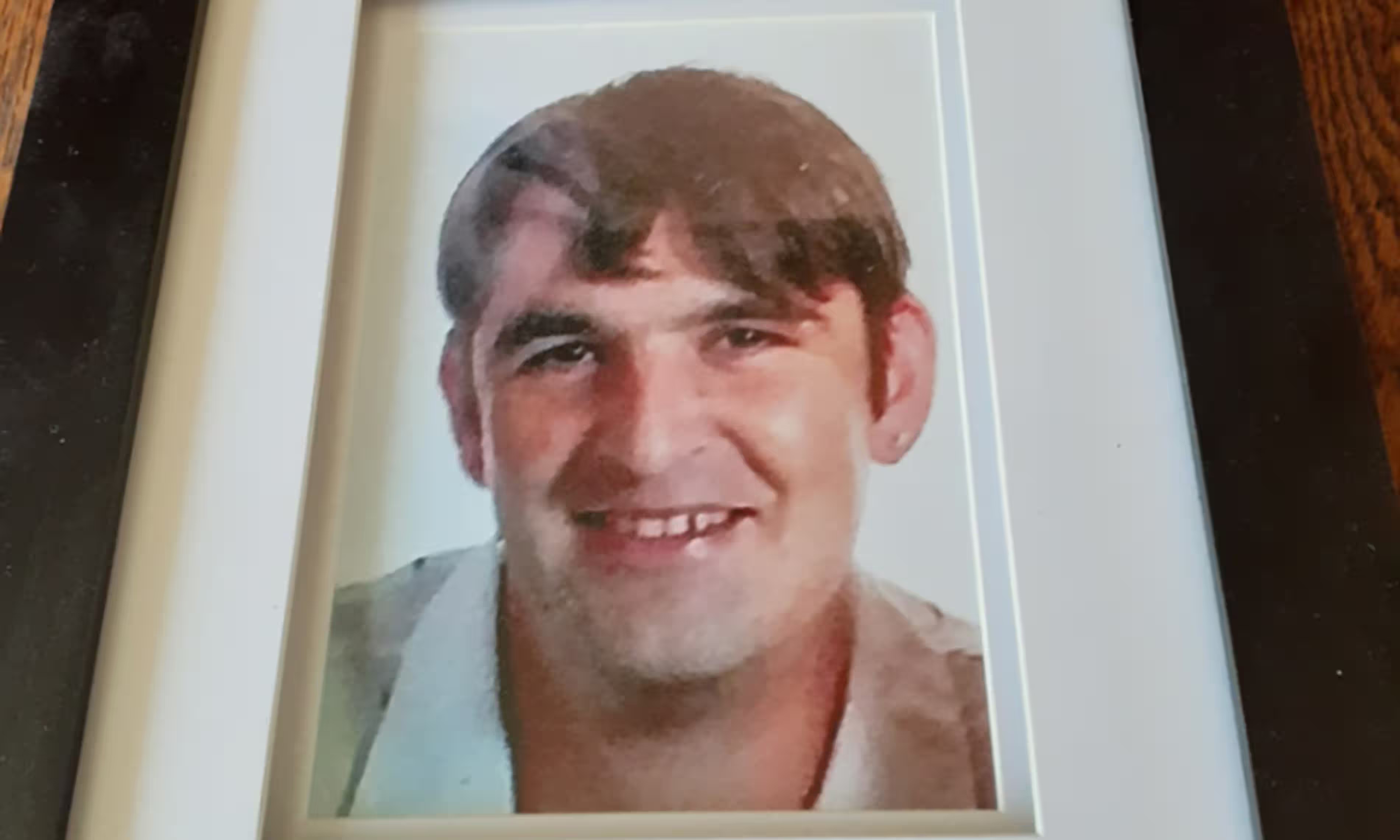
Michael Suckling, described by inmates as a "beautiful man" and "like a big brother," died in the privately-run Ravenhall Correctional Centre in 2021. Despite entering the system in the normal weight range, at the time of his death he weighed 199kg.
In handing down her findings last week, Coroner Leveasque Peterson said she was satisfied his death was down to Cardiomegaly (enlarged heart) in a man with World Health Organisation class III obesity.
His mother, Maree Brincat, said her son was "dearly loved," who loved the outdoors, cooking and who "looked after his health and appearance".
She said she could never remember her son weighing more than 90kg before entering prison.
"I miss him constantly and in losing him, I feel like I have lost everything," Ms Brincat said.
Mr Suckling experienced mental illness during his time in custody, which lead to him taking medication on his 40th birthday in 2019 with the intent of taking his own life. He spent 53 days in hospital - more than half in a coma.
"Michael deserved a better standard of healthcare," Ms Brincat said.
"After being in prison, Michael was a version of himself that I could barely recognise. He was sad all the time, feeling depressed and unable to move. He was in a lot of pain."
In her findings, Coroner Peterson said whilst Mr Suckling had a history of failing to attend appointments scheduled with mainstream health care providers in prison, at various points, he "attended diligently to his health issues when supported by the Aboriginal Health Worker (AHW)".
In the first nine months of Mr Suckling's incarceration, at the remand centre, there was no AHW.
The coroner supported calls to end the use of private healthcare providers in the prison system in favour of the Government contracting Aboriginal Community-Controlled Health Organisations (ACCHOs) directly to deliver healthcare services for First Nations inmates.
"Given the current challenges faced by Aboriginal prisoners, I would urge all parties including the private operators, the State and the ACCHOs to look at ways that ACCHOs can be assimilated into practise now in Victoria's prison system within current commercial arrangements," Coroner Peterson said.
Ms Brincat said the coroner had made "good recommendations" that the family wanted the government to implement.
"The coroner has done her job well – it's now up to the government to make sure no more families lose their loved ones in prison," she said.
"I want them to take these recommendations seriously and continue to follow them – not just forget about them in a few months or years."
Chief executive of the Victorian Aboriginal Legal Service, Nerita Waight, said despite equitable, holistic, and culturally safe healthcare not being a "huge ask," the voices of families "continue to be ignored".
"ACCHOs must be resourced effectively to support our community while in prison, so they can return safely to their families. Aboriginal health should be in Aboriginal hands," Ms Waight said.
During the inquest, Dr Mark Wenitong said the ACCHO model of Primary healthcare is "a successful model of care for First Nations peoples".
"A lack of this model in correctional services can contribute to the increased morbidity and mortality rate of Indigenous inmates," Dr Wenitong said.
Coroner Petersen said more could have been done for Mr Suckling if his healthcare had been "approached from a trauma-informed, holistic and person-centred perspective".
Ms Waight said a "scathing report" by the Victorian Ombudsman in March had yet to be responded to, whilst a national review into prison healthcare last week recommended ACCHOs be resourced to provide primary health, social and emotional wellbeing services to Aboriginal people in prisons.
"This coronial inquest has yet again exposed the inequity in prison healthcare and the devastating outcomes for our community," Ms Waight said.
"Victoria is undertaking a truth telling process, and we have entered treaty negotiations with the state.
"But if the state will not listen and act on these recommendations, and the many recommendations that have come before it, what faith are we to have in government?"



