




A Special Report by South Australia's youth detention watchdog has warned that the frequent use of audio-visual link (AVL) technology in the Youth Court is undermining children's ability to meaningfully participate in their legal proceedings.
The report — tabled in state parliament and led by the Guardian for Children and Young People, Shona Reid — drew on interviews with over two dozen detained youth and court staff, as well as submissions from legal, mental health, and Aboriginal-led organisations, identifying "systemic and ongoing concerns associated with the use of AVL".
In a letter to South Australia's Minister for Human Services, Ms Reid said the "concerns arose through direct engagement with children and young people" housed at the Adelaide Youth Training Centre (AYTC).
She argued the "scale and normalisation" of AVL usage gave rise to concerns about how current practices support children and young people's participation in court proceedings.
"In these circumstances, formal reporting to Parliament is both necessary and appropriate," Ms Reid wrote.
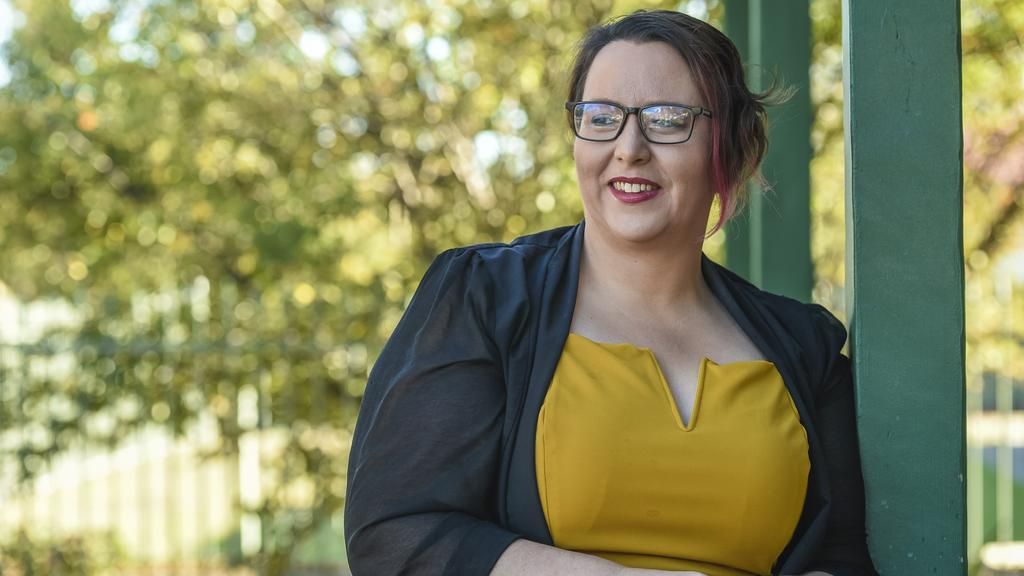
In the report, some children said they preferred AVL to avoid long periods in cells, but many expressed a desire to attend court in person, particularly for important hearings.
One respondent said, "The link glitches. I didn't know my release date", and "Half the time you can't hear".
Others highlighted the importance of in-person attendance, noting it "shows respect to the judge" and "when we go in person, they know we're just people... kids, not criminals".
Some youth respondents were more positive. One argued, "It's alright, I don't mind it. I like the link cause you can just walk out and they can't tell you off", while another added: "Actually, I don't know what's better... in-person if it didn't take all day and could eat. Some cases might be better to go in person, depending on what it is."
The report found that AVL is frequently used by default rather than as a child-centred option, largely because substandard court holding cells prompt remote appearances.
Technical problems and remote participation can hinder children's understanding and communication with their lawyers, while distress during AVL hearings can trigger behavioural incidents, creating safety risks, it found.
Furthermore, Aboriginal children face additional challenges, including language barriers, cultural disconnection, and historical mistrust of institutions, further limiting meaningful participation in court proceedings.
There was broad consensus among Aboriginal community-controlled organisations and peak bodies on the need to improve Adelaide Youth Court holding cells so children can attend court in person safely.
"If court environments are not suitable for children, they must be fixed," Ms Reid said. "Remote appearance by AVL should not become the default process that limits children's full participation in justice proceedings."
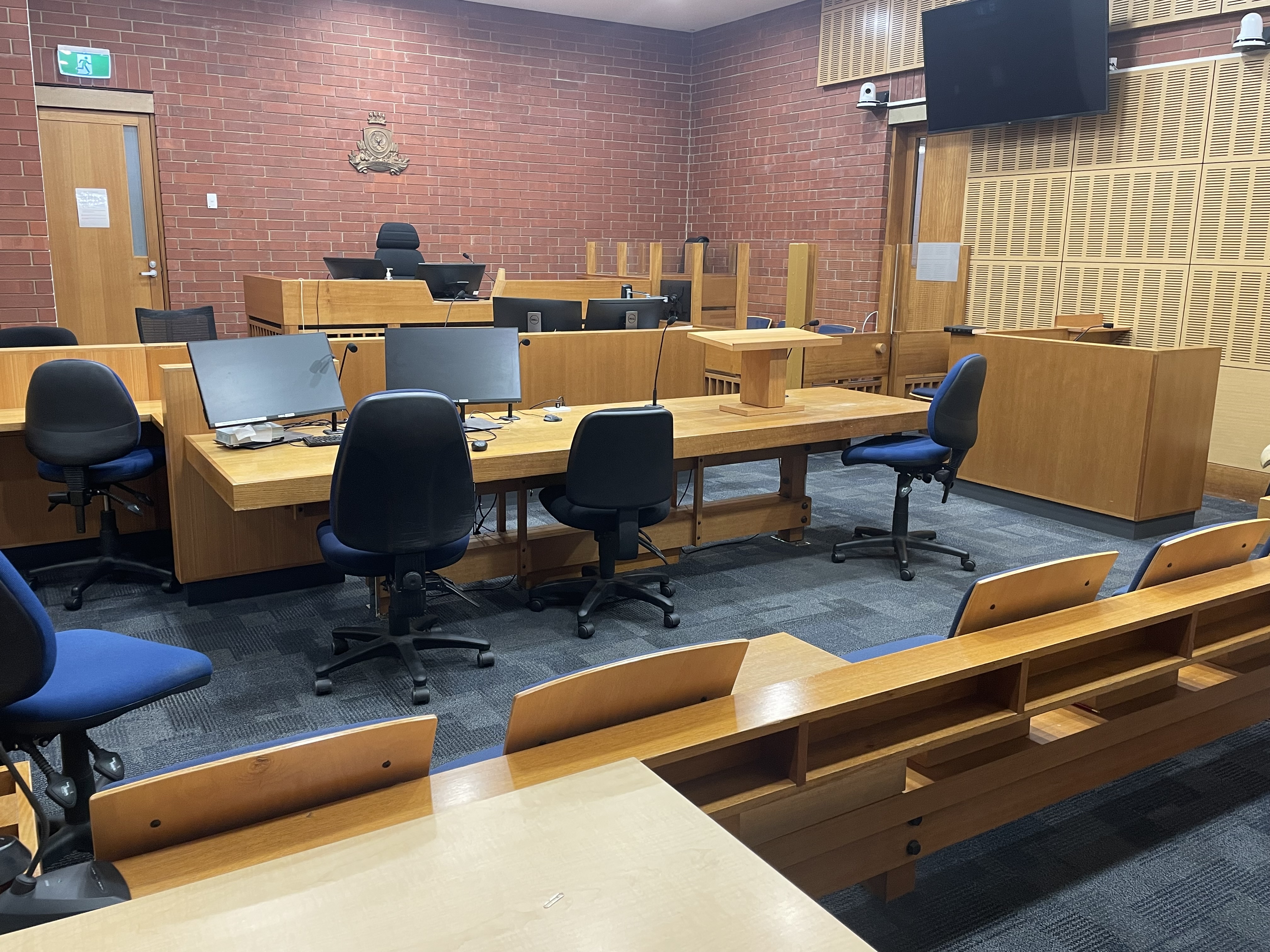
The report makes nine recommendations, including upgrading Youth Court cells, ensuring children are informed of their right to attend in person, and strengthening safeguards for AVL use.
In a statement, Ms Reid emphasised that children's rights to understand, participate, and be heard must be upheld to ensure procedural fairness, dignity, and the integrity of youth justice in South Australia, adding that the increased use of technology does not absolve the system of its responsibility to address unsafe court environments.
"If a child leaves court not properly understanding what has happened, that is not just a communication issue — it is a fairness issue. It increases the risk of breach of bail, for example, and further criminalisation," she said.
"This is about dignity, accountability and the integrity of youth justice here in South Australia."



