
The decision by the Federal Court this week to overturn the Indigenous Heritage Protection order on the McPhillamys Gold Project site highlights the urgent need for legislative reform, says Orange Local Aboriginal Land Council.
The Land Council (OLALC) said the case is "the clearest example yet" of why the Aboriginal and Torres Strait Islander Heritage Protection Act 1984 (Cth) "must be amended to reflect who actually has authority to speak for Country".
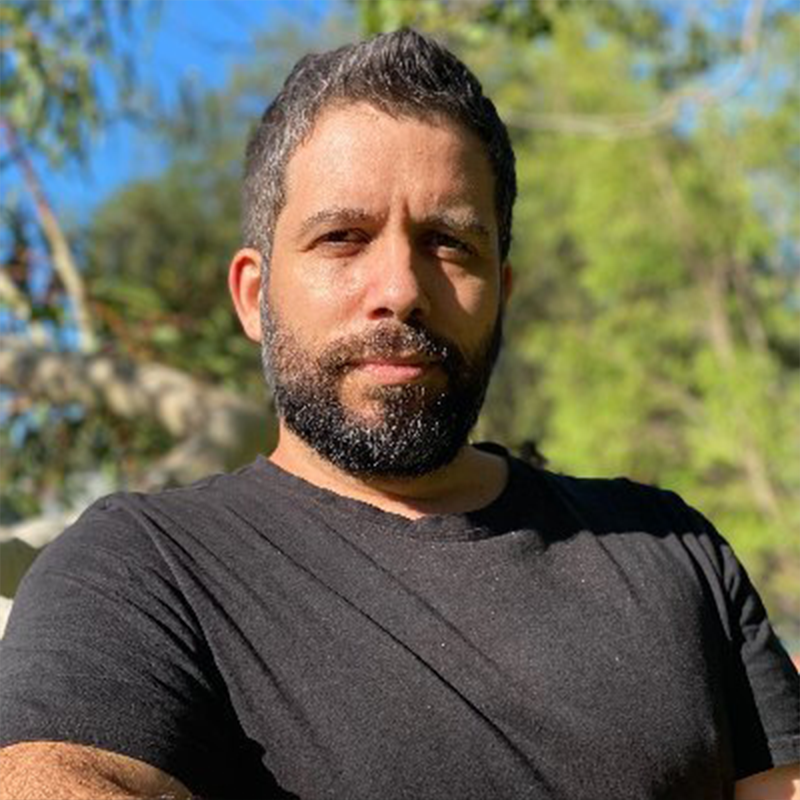
OLALC chair Jamie Newman said the ruling was an opportunity to get the process right, and to fix the law that allowed it to go wrong.
"Protecting our culture and our sacred places is the most important work we do. That is exactly why decisions about Country must be guided by the people who hold cultural authority for it," he said.
"Right now the Act lets any Aboriginal person lodge an application over any part of Australia, whether or not they have a connection to that land. It makes no distinction between Traditional Owners, the Land Councils our communities elect, Native Title bodies and people with no standing on that Country at all.
"When the law doesn't recognise cultural authority, it weakens the legitimate protections our people rely on."
Mr Newman said "claims without a proper foundation tie up years of public resources, drain Land Council funds on legal advice, inflame division and foster lateral and community violence".
"They also feed negative public sentiment towards Aboriginal people and towards heritage protection itself. That makes it harder to protect the places that truly need it," he said.
The NSW Independent Planning Commission consulted OLALC before approving the McPhillamys project in 2023. OLALC said this week it had told the Commission at the time that Aboriginal culture and heritage must be protected if the mine proceeds, "and that remains its position".
OLALC said it "did not agree with the legitimacy of the blue banded bee dreaming story and did not support the heritage declaration being made on that basis".
The Land Council has written to federal Environment Minister Murray Watt calling for the Act to be amended so "only individuals and organisations with legitimate authority to speak for Country, such as Local Aboriginal Land Councils and Native Title bodies, can apply for protection over the Country they speak for".
"Strong heritage protection and respect for cultural authority go hand in hand. When protection is grounded in the voices of those who hold authority for Country, it carries the weight it deserves," Mr Newman said.