


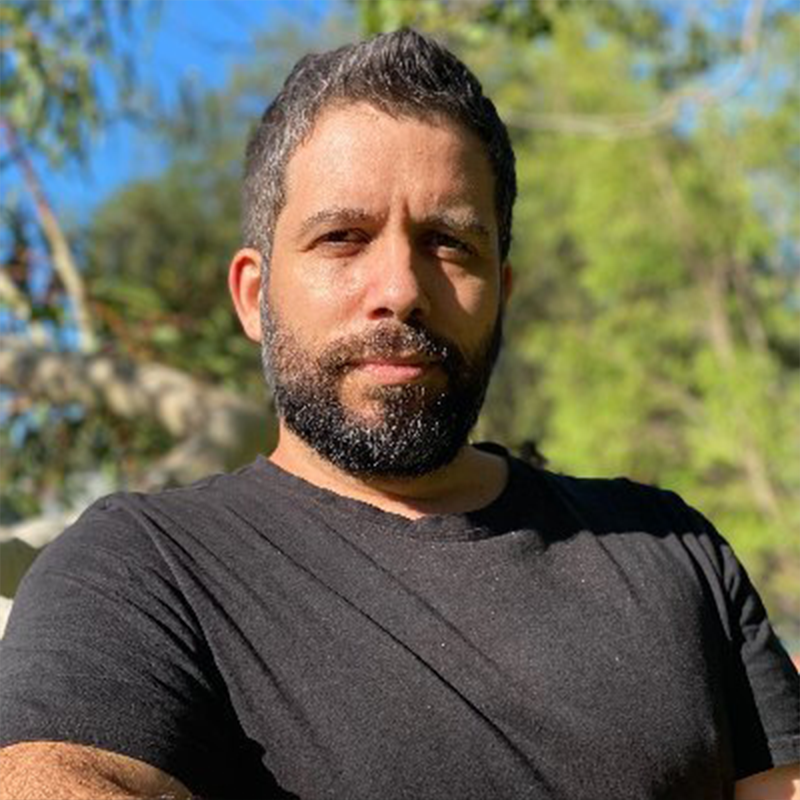

In 2001, a group of Warlpiri women came to the Central Land Council with a big vision for their children, education and the future of their communities. Strong in their culture and experts in education, the women knew that two-way education was needed for their children to have a good future and walk strong in both worlds.
Their decision to seek additional mining royalties to fund lifelong learning was a big step forward in Aboriginal-led development. It led the Central Land Council to set up the Warlpiri Education and Training Trust in 2005, a new way of working that invests Yapa funds in education programs designed by and for Yapa.
"Education is the key and to keep our culture, language and our Jukurrpa strong," said Verona Nungarrayi Jurrah, a member of the trust's advisory committee.
WETT showed how local Aboriginal voices make communities stronger by focusing on what people need and want. In 2006, the Anangu Traditional Owners of the Uluru - Kata Tjuta National Park asked the CLC to work with them on better ways to use the rent income from the park. The Uluru rent money program was born.
Over the years the CLC established a dedicated community development unit that today employs more than 30 staff working with over 100 working groups across its region. The unit has supported 3,000 projects and helped groups invest $300 million in their communities.
The team has introduced new ways of working with Central Australian Aboriginal communities that people now recognise in the rest of Australia and overseas. At its core, it the approach is about Aboriginal people being in the driving seat and shifting power about what happens in their communities.
The late Uluru rent money group member Ms Clyne said it best: "The community development program is helping make people stronger. It makes us happy to be doing more projects. We are in control of the process."
In the CLC's 'bottom-up' approach to development the vision and plans come from community and are not handed down by governments.
Papunya working group member Lynda Lechleitner says the program "tries to give people a voice and helps them understand how they can spend their money to make their community better".
Kurra director Roger Japaljarri Jurrah said: "Our voice is getting stronger."
"We have more knowledge to have the conversations with kardiya; it's not all one way now," he said.
Communities - not governments - lead project decisions because they are using their own money. People consider information, choose projects and plan and make decisions together. It's about having the skills to take control and shape every project, with support from the CLC and outside experts.
The CLC notes that the program's success shows that Aboriginal people know what their communities need. Despite the shadow of the 2007 Northern Territory Intervention - which the Land Council describes as "a huge blow to Aboriginal power and control" - they have shown their capacity to work for their children's future.
Today, the work goes beyond buildings and programs. Communities now develop masterplans that set out how they want to live on their land. They talk up strong to governments and show people around the world what self-determination looks like.
"You sit down with your mouth closed at the table, you won't get nowhere. You gotta speak up for your community," said Imanpa working group member Kathleen Luckey.
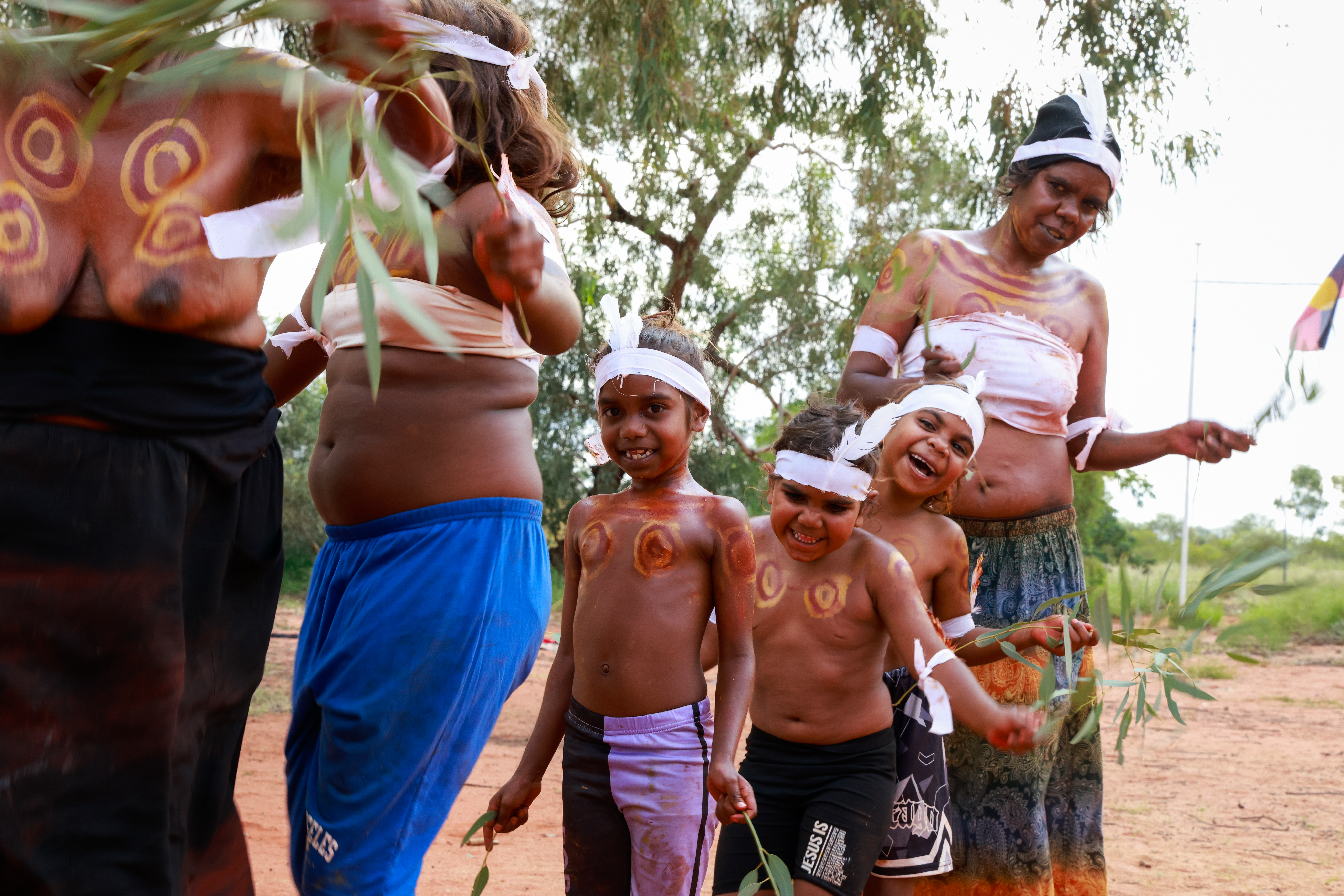
A dedicated governance support program, developed in 2018, helps the boards of the Granites Mine Affected Area and Kurra Aboriginal corporations in the Tanami manage mining money and plan for the long term.
Training has helped Mr Jurrah learn how to manage money.
"We used to see money like leaves in the wind. Now we know we can hold it and do something with it," he said.
The Land Council noted that some communities and groups get much less income from land use agreements than GMAAAC and Kurra, which "makes it hard to dream big and make positive changes". To support those communities, the CLC worked with the federal government to start a matched funds program. For every dollar a community invests, up to a limit of $150,000, the government matches it. This helps communities with less money take on bigger and longer projects. From eight projects in 2020 the initiative now supports more than 260.
The Land Council said over time, many Aboriginal people gained jobs through community-led projects and built solid careers, citing the WETT's all-Aboriginal community research team as "a great example".
The trained and skilled researchers collect stories from their neighbours and families and listening to community voices. They share this feedback about the WETT programs to the trust's advisory committee, community residents and Traditional Owners.
They have spread their knowledge at conferences across the country and overseas and have worked for other Northern Territory Aboriginal organisations.
"When Aboriginal people lead, communities thrive," the CLC said this week, on the 20th anniversary of the dedicated community development unit.
"The CLC's community development approach proves that deep listening, two-way learning and local people making decisions create lasting change. This is self-determination in action — strong communities shaping their own futures."



