




Kimberley Agricultural Pastoral Company (KAPCO) has sold its first steers since transitioning from bulls in 2024, with the cattle shipped to Malaysia and Indonesia aboard early-season live export vessels.
The company, operating across four cattle stations in Western Australia's Kimberley region, was able to capitalise on the first export vessels of the season, with steers prepared for sale in higher, drier country benefiting from all-weather road access.
While cattle producers across the Northern Territory are currently constrained by wet season conditions and limited transport access, Kimberley producers with reliable roads have benefited from strong demand and competitive pricing as high-volume export buyers seek to fill ships.
Leading hand Ivan Watson said the transition from bulls to steers has opened new opportunities for the company.
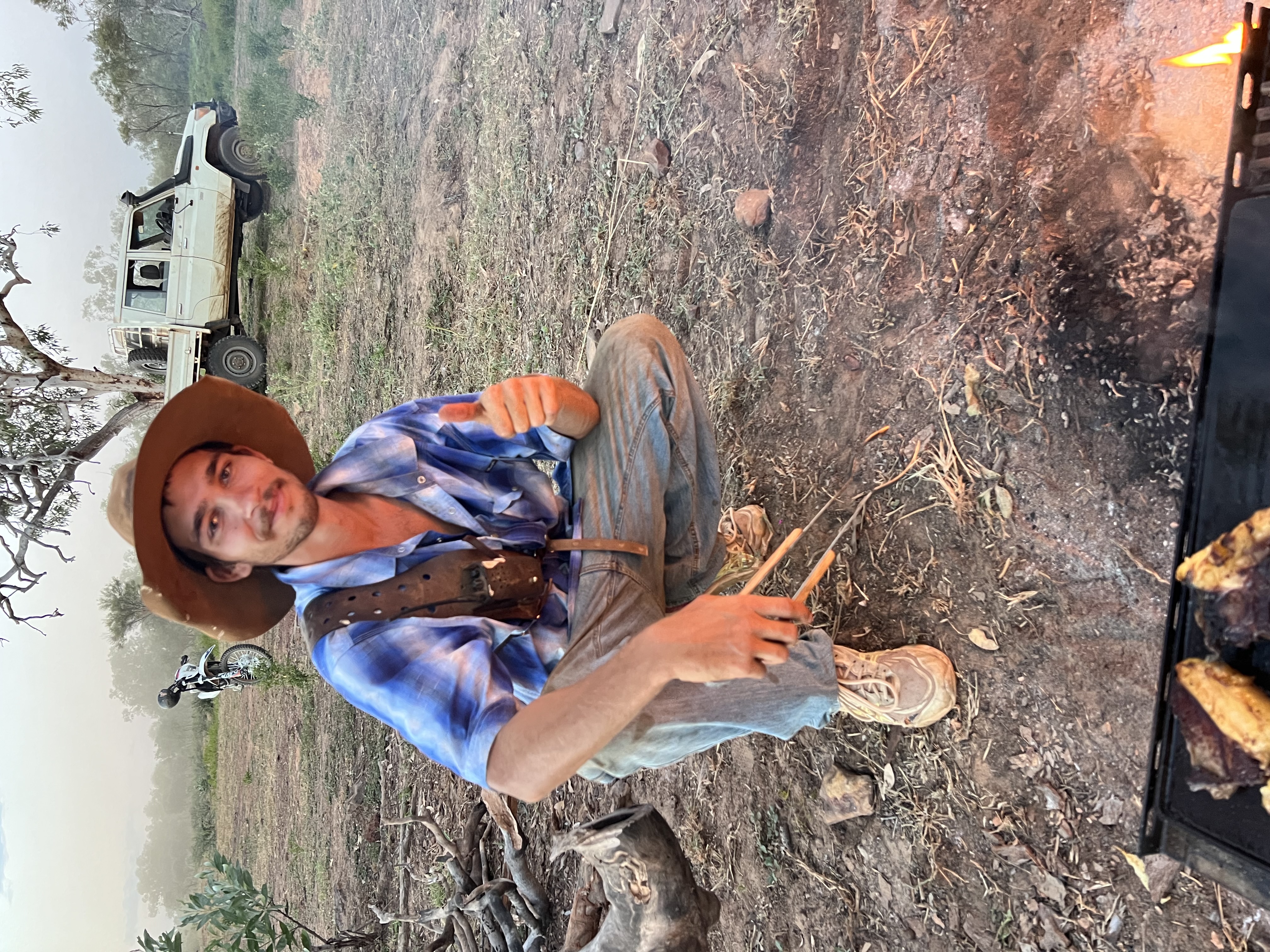
"It feels great that this has happened, and thanks to the change from bulls to steers, we have opened up whole new domestic and international markets—a stepping stone to bigger things for KAPCO," Mr Watson told National Indigenous Times.
"Not just because of the market, but because it also creates further employment opportunities for Indigenous people who are looking to excel in the industry and use KAPCO as a stepping stone to further opportunities in their lives."
The steers were sold from Myroodah Station, located about 150 kilometres from Derby, where KAPCO runs a herd of Brahman, Droughtmaster, and Shorthorn cattle primarily for the live export market.
Shorthorn-cross cattle are also processed under the company's own brand, KAPCO Beef, which is sold in supermarkets across the Kimberley region.
KAPCO is expected to turn off about 4,500 head this year.
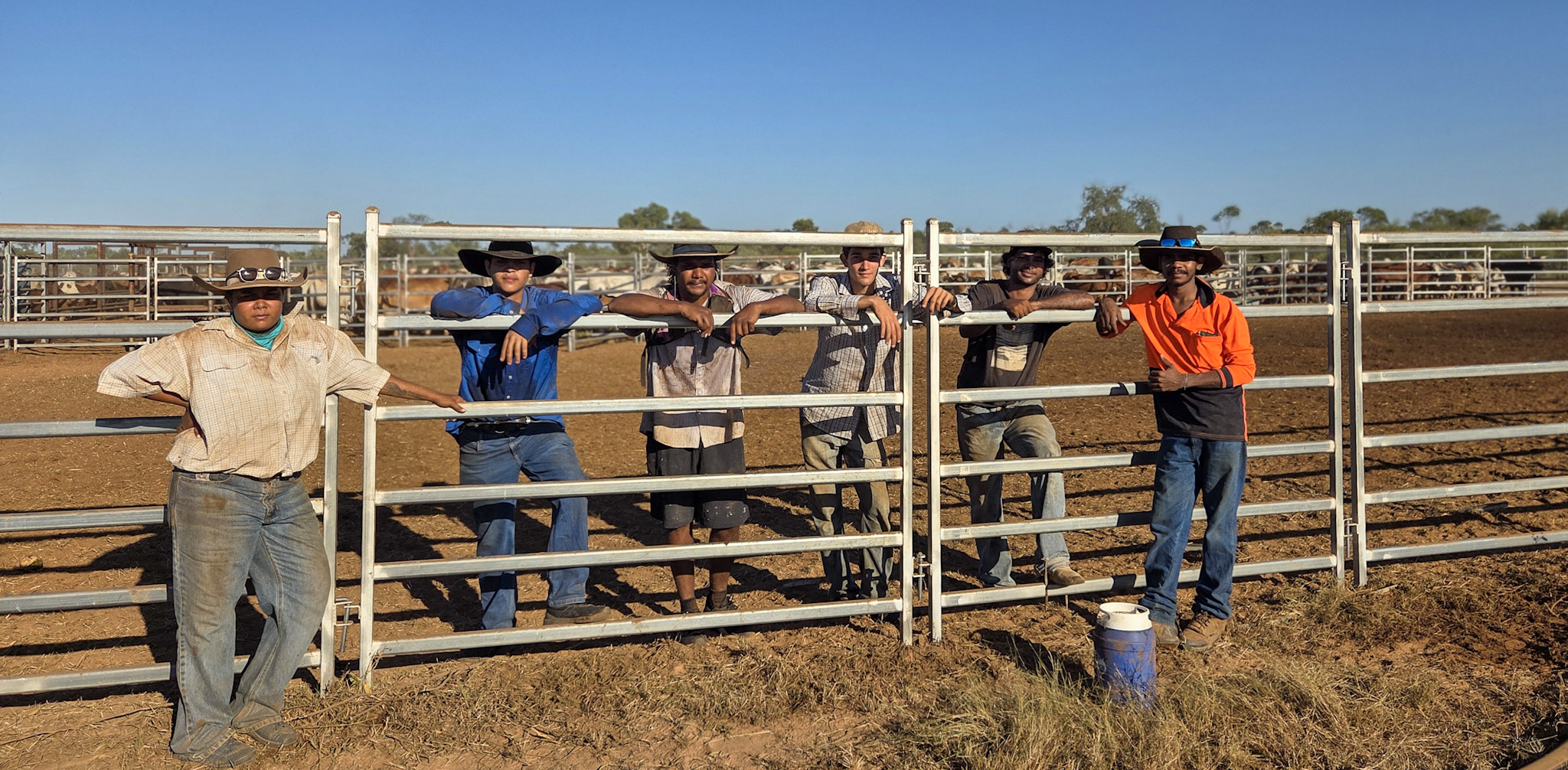
Fellow leading hand Cheyden Dolby said conditions were tough but rewarding.
"It was dusty and extremely hot at this time of year, and we camped out to get the job done—it was a great feeling to see those trucks roll out full of fat steers," he told National Indigenous Times.
Mr Dolby emphasised the value of the team environment and said he relished seeing growing opportunities for young Aboriginal workers.
"I really enjoy working for KAPCO and leading a close-knit team. It is great to see more young Indigenous people join KAPCO each year," he said.



