



The National Indigenous Cricket Championships will continue to be held on Yuwibara Country for the next two years — including this coming April — when the tournament notches 10 years as a standalone Cricket Australia's pathway competition.
Cricket Australia announced on Friday Mackay's soon to be Test, and recent international white ball venue Great Barrier Reef Stadium at Harrup Park will host the tournament in 2026 and 2027.
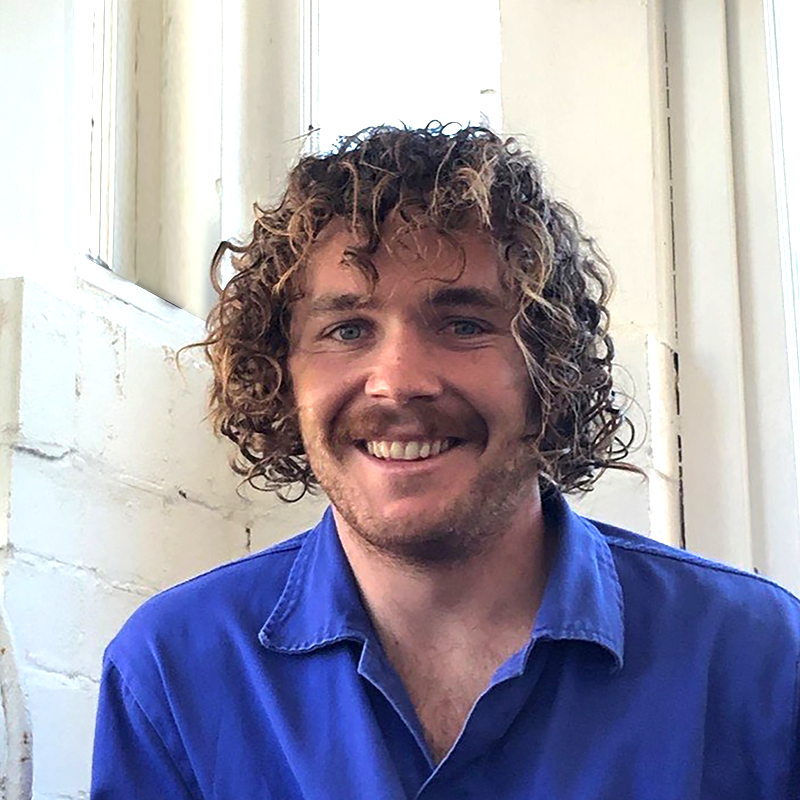
The list of players to have featured at National Indigenous Cricket Championships (NICC) level and gone on to play Test cricket for Australia increased this summer when Worimi quick Brendan Doggett helped Australia go two-nil up in Perth and Brisbane in the recent men's Ashes series.
He joined Scott Boland and Ash Gardner as those to earn a baggy green after taking part at the NICC as part of their cricket journey.
D'Arcy Short, Dan Christian and Hannah Darlington have also played at the tournament before going on to represent Australia.
Strong performances at the Championships can open the door to cricket's top level and a professional career, similar to what's being seen already, Darlington told National Indigenous Times.
The Sydney Thunder, NSW Breakers and Australian white ball bowler played her first National Indigenous Cricket Championships a decade ago.
"I was actually reminiscing over the WBBL with (Thunder and NSW teammate) Anika Learoyd that it was 10 years since we met up in Alice Springs...I'm glad it's getting the celebration it deserves," Darlington said.
"We're seeing players from that tournament now get recognised in state programs."
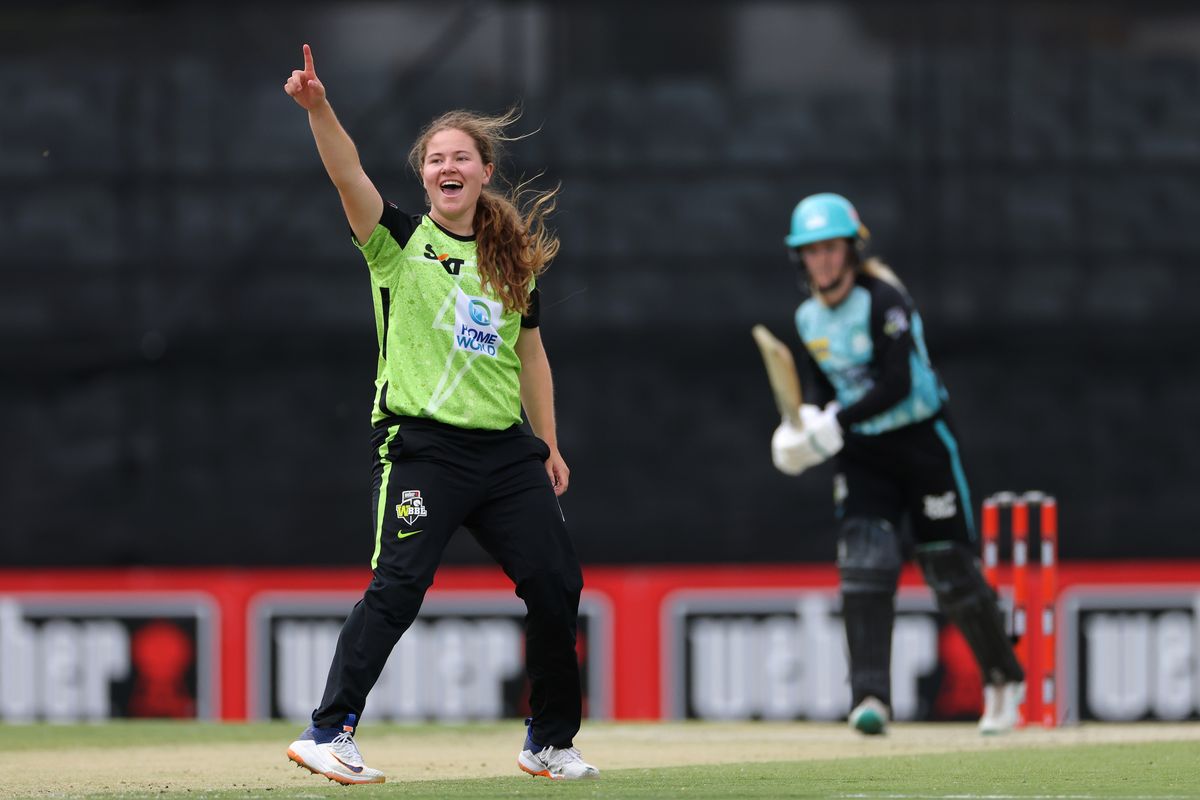
Darlington missed the first year in Mackay, however, pending injury recovery and the Women's National Cricket League schedule, is eager to this year's tournament.
Birthed out of the Imparja Cup, the NICC transitioned to a standalone state and territory representative carnival for the first time in 2016.
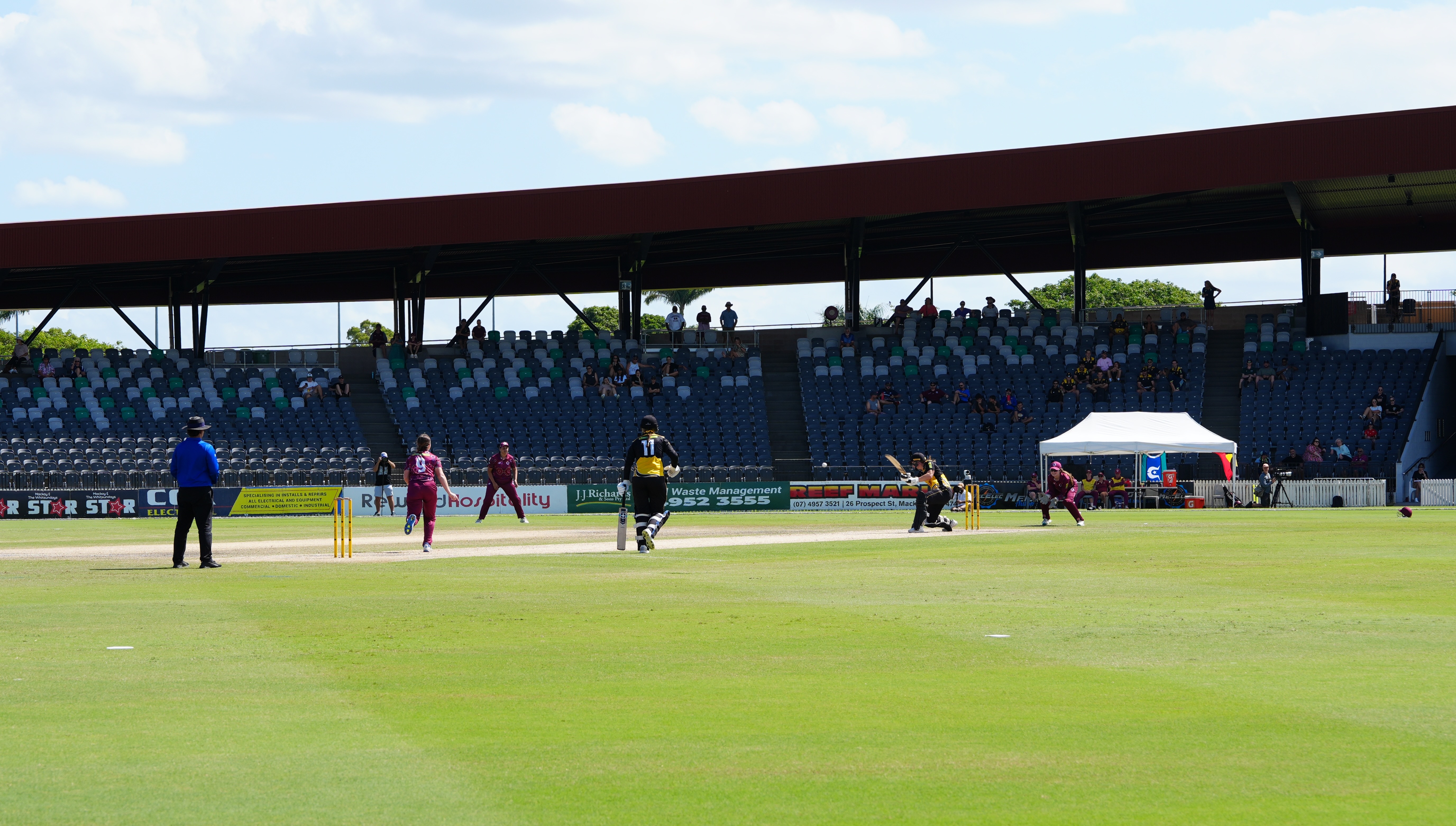
It moved from Mparntwe/Alice Springs for the first time for last year's tournament in Mackay, where Queensland claimed the title on home turf in the men's draw while Western Australia's women's team lifted their maiden trophy.
Darlington believes the move provides new opportunities for learning and connection with Country, Elders and culture.
"The main purpose of these Championships is to celebrate culture and cricket comes second," she said.
This year's carnival is scheduled for five days of T20 matches from April 14-19, with a dedicated day for cultural activities also on the schedule.
National Aboriginal and Torres Strait Islander Cricket Advisory Group (NATSICAG) co-chair, Justin Mohamed, hopes the upcoming NICC carnivals will include future international cricketers.
"This unique setting will give the best Indigenous players from across the country the opportunity to compete at an international-standard venue," Mr Mohamed said of Mackay.
Cricket Australia chief of cricket James Allsopp said: "The NICC are a highlight of the cricket calendar every year as we see a fantastic display of cricket from some of the very best First Nations talent, as they represent their states and territories, as well as celebrating culture."
"We are looking forward to an exciting six days of cricket and cultural activity in Mackay, with rising stars of the cricket world ready to bring their best," he added.
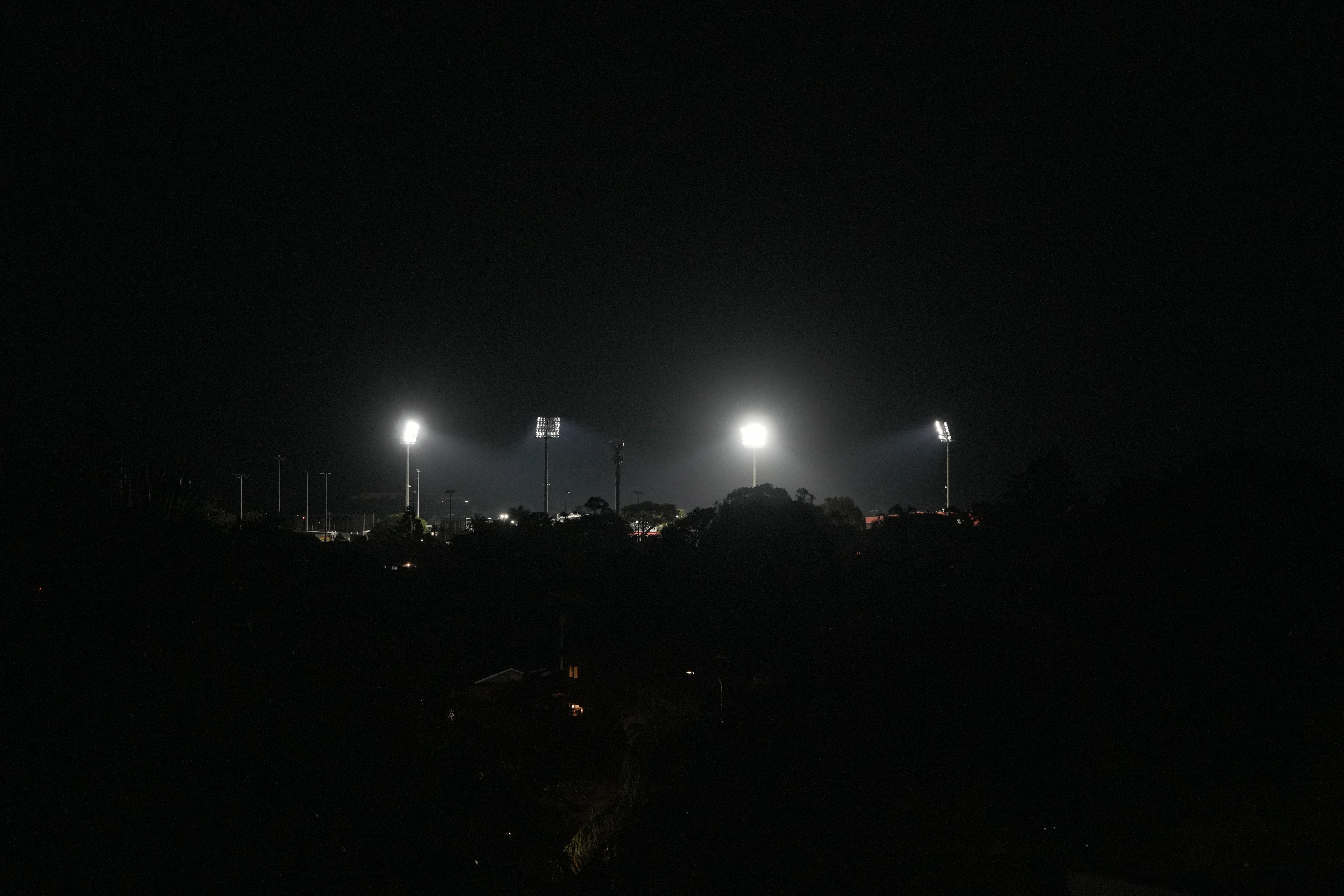
Mackay Regional Council Mayor, Greg Williamson, is excited to build on the success and interest in last year's tournament, with Harrup Park chief executive, Adrian Young, saying he is proud to host a "significant opportunity for our region to showcase not only our world-class facilities, but also our strong commitment to community, culture, and inclusion within the game of cricket".
For emerging and future generations of Indigenous cricketers, the NICCs are a crucial platform for representation in an important pathway structure, Darlington said.
In 2023 she captained the National Indigenous XI on a tour to Vanuatu with both NICC teammates and rivals in her side.
"When you pull on an Australian Indigenous shirt, it's probably one of the proudest moments you get to have as a cricketer," Darlington said.
"The fact that these players have now put on an Australian Indigenous shirt, when they head back to the NICC, they're the players that people are looking towards first.
"And then they get to see, you know the likes of (Indigenous WBBL and state players) Ella Hayward, Emma Manix-Geeves, Mikayla Hinkley and Anika Learoyd on their TV screens."
Darlington said these players and others in elite setups are role models at the National Indigenous Cricket Championships, and helping to strengthen the pathways for the next generation of Indigenous cricket stars.



