



CQUniversity students studying horticulture and conservation recently contributed to vital revegetation work on Konomie Island, reconnecting with the land while aiding efforts to restore native bushland.
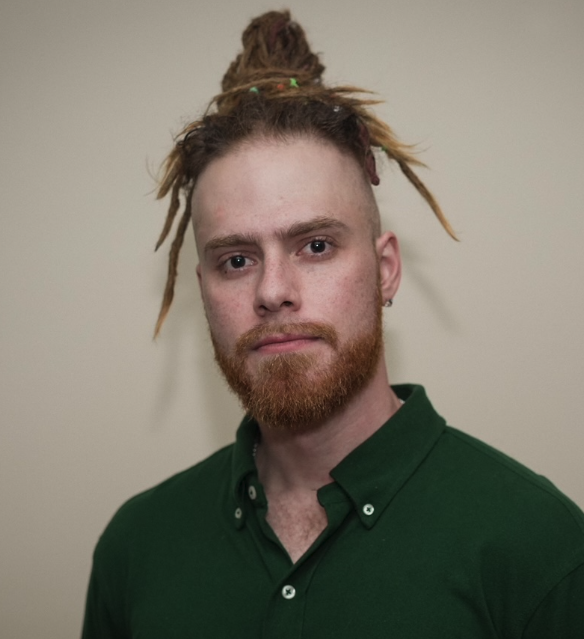
For Kylie Johnston, a CQUniversity horticulture student and proud Byellee woman, the experience was profound.
"It's about being present and really connecting with the land," she said.
"After all our efforts today, to see a dugong pop its head up and say 'thank you' was very special.
"Through the work we've done, it really feels like you're giving back to the community of Konomie and the Elders."
Ms Johnston was one of a select few to witness the dugong while working on Konomie Island, situated on Woppaburra Country within the Keppel Bay Islands National Park.
She emphasised the significance of conserving the island's ecosystem for future generations.
"To look after Country and care for the island for the next generation is a really special experience that is hard to put into words," she said.
Students partnered with the Capricorn Conservation Council, Woorabinda Aboriginal Shire Council Rangers, and the Konomie Island Environmental Education Centre P&C (KIEEC) for the revegetation project, gaining practical skills in land care and sustainable ecosystem practices.
Guided by KIEEC, they removed exotic weeds and planted native species, developing a deeper understanding of plant identification and biodiversity protection.
The island's Environmental Education Centre, named after Konomie or 'North Wind,' functions as a self-sustaining ecosystem with solar power, a small wind farm, recycled water, and a seagrass nursery, serving as a biodiverse habitat within the Great Barrier Reef World Heritage Area.
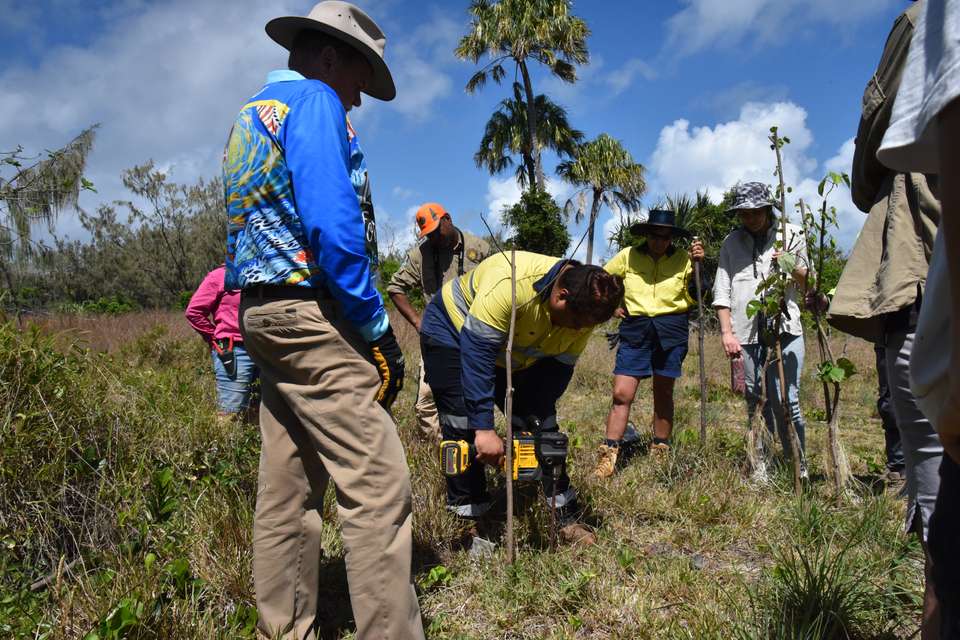
KIEEC P&C president, Jeff Krause, oversaw the students' work, highlighting the threat invasive species pose to Konomie's ecosystem.
"We've seen that the exotic weeds spread very easily and crowd everything else out, becoming entwined with the native flora, so it's important that we educate ourselves on plant identification to carefully discern exactly what should be removed," he said.
Mr Krause added that removing these weeds is vital to maintaining a balanced ecosystem.
"Once the native plants are significantly established, they are then more likely to outcompete the weeds, but without the existence of the native plants, the weeds will continue to dominate the landscape," he said.
CQUniversity academic and Capricorn Conservation Council Coordinator, Sophie George, co-led the trip and assists with the island's revegetation efforts every fortnight as part of the KIEEC.
Ms George spoke on the importance of preserving Konomie's ecosystem as an integral part of caring for Country, particularly given its proximity to the southern Great Barrier Reef.
"It has been absolutely vital to come together to partake in the important work of healing Country," she said.
"We do this by protecting and caring for biodiversity, and some of the ways we go about that is through regular weed removal and replanting of native species."
After working on Konomie Island over the past two years, Ms George has seen the positive impact of restoration efforts on both the land and marine environments.
She stressed the importance of community partnerships, including ongoing collaboration with the Woppaburra People, in caring for the land under traditional guidance.
"There are many sacred sites on this island, so it is important that when we visit to have much yadaba (respect); stick to the tracks and take nothing with you but memories and photos and really take care of this Country," Ms George said.
She expressed gratitude for the opportunity to contribute to Konomie Island's recovery.
"I'm so appreciative and fortunate to be part of this journey, and every little bit helps – every weed pulled, and tree planted and watered really does make such a difference to restoring a more resilient ecosystem."



