




At a significant meeting in Western Australia, leaders from across the nation gathered to reaffirm their dedication to addressing the inequality between Indigenous and non-Indigenous communities.
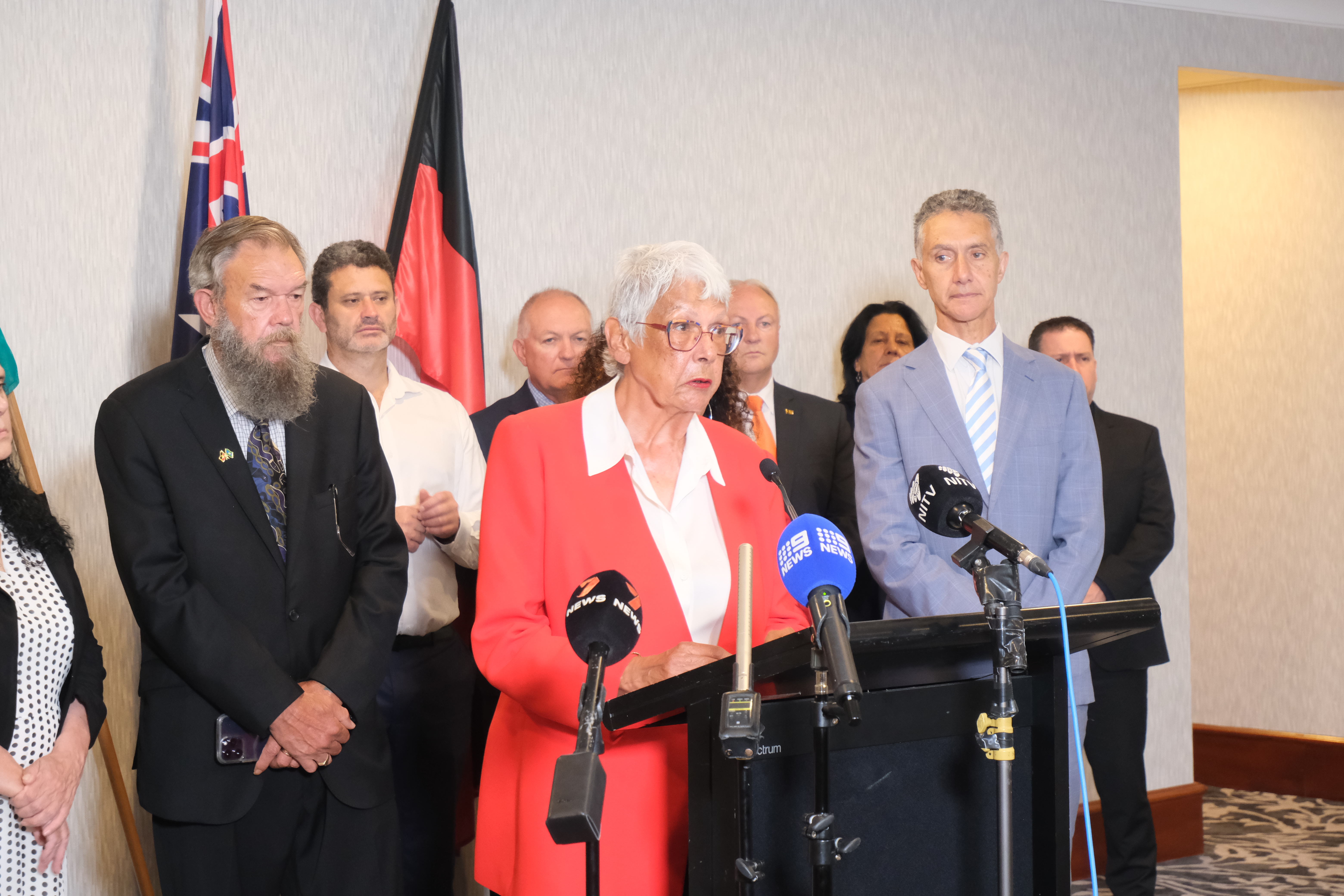
Led by Minister for Aboriginal Affairs Tony Buti, the Joint Council on Closing the Gap convened with representatives from federal, state, and territory governments, alongside key figures from the Coalition of Peaks, an organisation representing over 80 Aboriginal and Torres Strait Islander community-controlled organisations nationwide.
The meeting underscored the critical importance of collaboration to address the systemic challenges facing Indigenous Australians, particularly in areas such as youth justice, healthcare, housing, and education.
Several key issues were brought to the forefront, with particular focus on youth justice.
According to Coalition of Peaks co-chair Pat Turner, the current approach to youth justice is inadequate, with 84 per cent of Aboriginal and Torres Strait Islander youth in detention unsentenced, spending an average of 55 days in custody.
"We are deeply concerned by recent moves to lower the age of criminal responsibility," Ms Turner said.
"This approach risks compounding harm for our young people. To make real progress, we need solutions that protect and uplift, not punitive measures that overlook the underlying issues these children face."
The meeting heard Indigenous community-controlled organisations are playing a leading role in developing culturally safe, sustainable solutions for youth, focusing on preventing homelessness, supporting education, and fostering a sense of belonging.
The Housing and Homelessness Intergovernmental Agreement, for example, aims to prioritise funds to meet the urgent housing needs of Indigenous Australians, recognising that secure housing is essential to health, education, and stability.
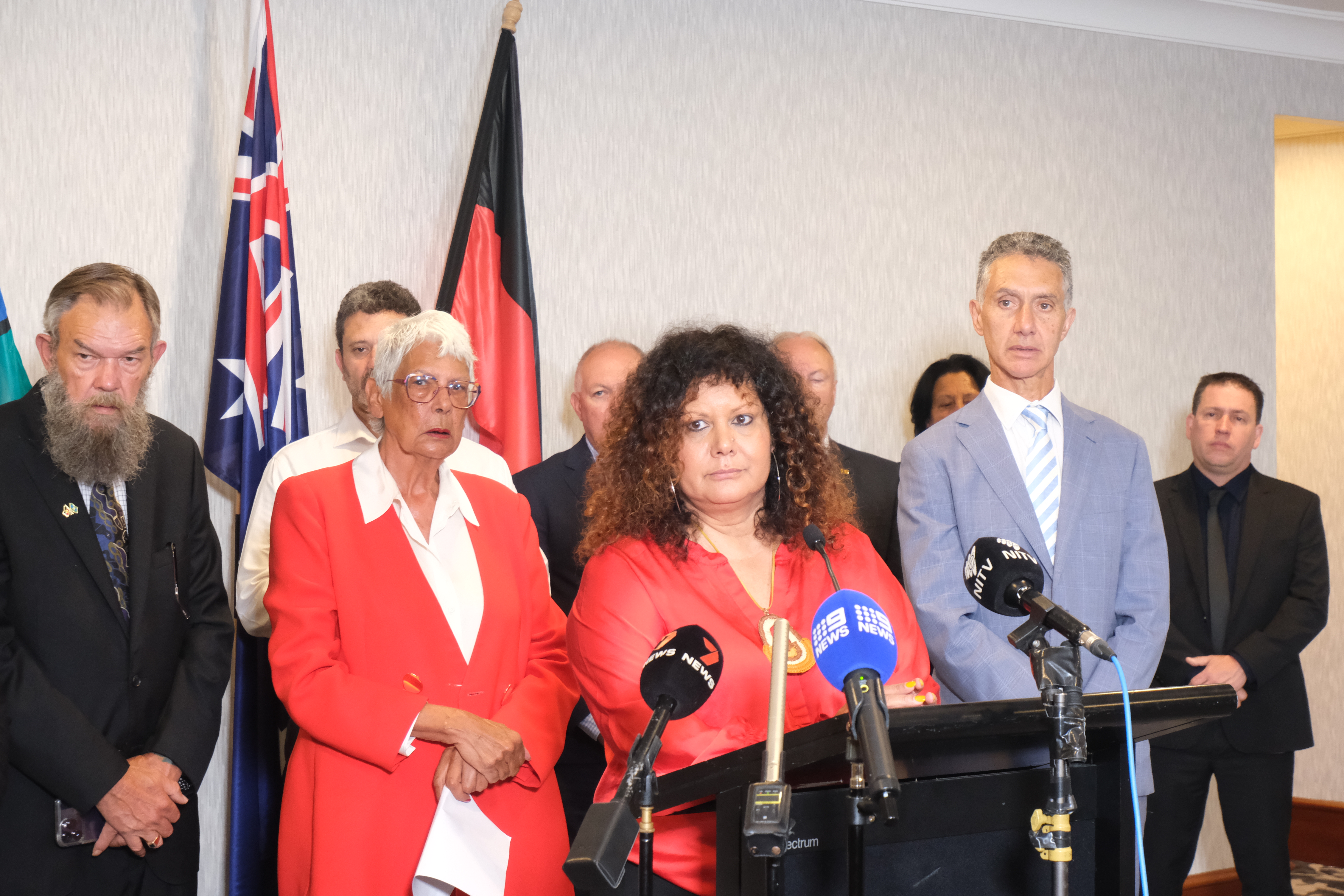
Federal Minister for Indigenous Australians, Senator Malarndirri McCarthy, echoed the need for structural reform and sustainable solutions aligned with the National Agreement on Closing the Gap.
Senator McCarthy highlighted recent developments in Indigenous health initiatives, including the First Nations Health Worker Traineeships Program.
"These traineeships are having a tangible impact," the Garrwa and Yanyuwa Senator said.
"They bring trusted healthcare access to rural and remote areas, ensuring Indigenous Australians receive care that respects their cultural needs. Indigenous health should be led by Indigenous people, and this program enables communities to address health challenges on their terms."
Housing reform was a recurring theme in the discussions, with leaders underscoring its foundational role in improving health, employment, and future stability.
"Housing reform must be a core priority for Closing the Gap. The links between secure housing and better health, educational outcomes, and economic participation are clear," Ms Turner said.
"Many Indigenous community-controlled organisations already play an essential role in supporting youth and families in need of stable housing, which is crucial for addressing factors that often lead to homelessness and instability.
"This is about more than just providing a roof over one's head—it's about creating a foundation for resilient, thriving communities."
The council also emphasised that Closing the Gap is a collective responsibility that extends beyond Indigenous Affairs Ministers.
"Every minister in every cabinet across Australia has a responsibility to Closing the Gap," Senator McCarthy said.
"This commitment cannot rest solely on Indigenous-specific ministries; it must permeate every level of government, ensuring that each department plays its part in addressing disparities in health, justice, education, and beyond."
An important upcoming development is the appointment of the National Commission of Aboriginal and Torres Strait Islander Children and Young People, an initiative aimed at providing accountability and oversight to drive meaningful progress for Indigenous youth.
"This appointment is a landmark step," Ms Turner said.
"It ensures that Indigenous voices remain central in policy-making, particularly on issues impacting young people and community wellbeing.
"The National Commission will play a pivotal role in holding us all accountable to the targets we've set."
Despite the challenges discussed, optimism remained high.
"Our country is more than capable of closing this gap," Senator McCarthy said.
"This is not merely an aspirational goal—it's a call to action. We have the knowledge, resources, and resolve to create a future where Indigenous Australians can thrive alongside all Australians."
The Joint Council concluded with a clear call for every minister and government official to take concrete steps toward realising the National Agreement on Closing the Gap, saying the success of these initiatives hinges on the unified efforts of federal, state, and local governments working in partnership with Indigenous leaders and organisations.
As the Joint Council forges ahead, they remain committed to advocating for policy reform, securing necessary funding, and prioritising Indigenous-led solutions.
Through accountability, sustained commitment, and community-driven initiatives, the Joint Council says Australia can move closer to bridging the gap and building a brighter, more equitable future for all Indigenous Australians.



