


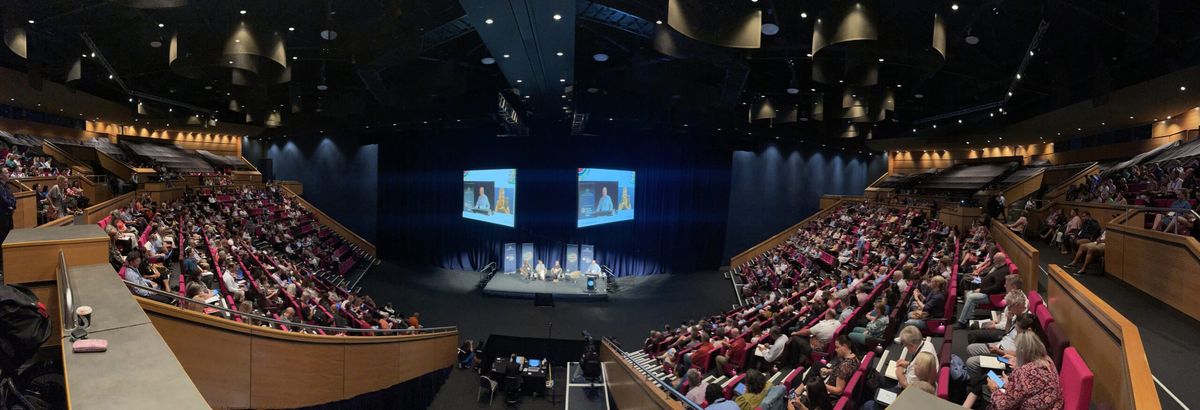
The benefits of building partnerships with First Nations peoples and the importance of genuine engagement emerged as keys to transforming First Nations policy for the better from the Australia and New Zealand School of Government's 2023 First Nations public administration conference.
Held earlier this month across three days, the conference attracted more than 800 people and a further 300 who watched online.
The conference examined First Nations policy through the lense of Australia's National Agreement on Closing the Gap commitments, particularly the four Priority Reforms, as well as the New Zealand Public Service Act 2020, which now clearly sets out the responsibility of the public service, particularly its leadership, in supporting the Crown's relationship with Māori under the Treaty of Waitangi.
The conference was divided into four sessions based around the Priority Reforms of the National Agreement on Closing the Gap, those being formal partnerships and shared decision-making, building the First Nations community-controlled sector, transforming government organisations and shared data and access to information.
National Aboriginal Community Controlled Health Organisation (NACCHO) Chair Donnella Mills told the conference that governments needed to recognise that they did not have the answers, and that Indigenous people would 'work harder than anyone else to take care of our people'.
She said structural reform was needed to change the way that power was distributed, part of which being the National Agreement on Closing the Gap.
Speakers and panel sessions explored a range of topics, including how the government could better support the kind of conversations that were needed to happen to build relationships, which were necessary before conversations about possible solutions.
National Indigenous Australians Agency's Letitia Hope said the Commonwealth Government systems acknowledge there needs to be change, but they don't know how to change.
Ms Hope said change through the National Agreement on Closing the Gap was an 'every decision, every day' responsibility of the public service that would take effort and courage across the board.
"Public servants needed to be disruptors who created space for innovation – it was not enough to just pull one lever, you need to understand the entire system that you are in," she said.
Queensland Labor MP Joe Kelly, representing Queensland Aboriginal and Torres Strait Islander Partnerships minister Craig Crawford spoke about efforts the Queensland Government is making to build partnerships and the impacts of recognising history and the effects of colonisation at a grassroots level.
Audiences also heard from Romlie Mokak, Commissioner at the Productivity Commission, who said issues around data were less around the technical issues and more about who asks questions and how they are framed.
He said that current systems measured First Nations in ways they did not want to be measured.
"There are fundamental questions around how data is used to support and perpetuate the deficit discourse and problematise us as a people, and to continuously create programs that don't meet our needs," Mr Mokak said.
"If we don't get access to this data and the use of this data to service our priorities, then we will continue to be at the mercy of the government to make decisions for us."
Data underpinned other aspects of the National Agreement government including evaluation, shared decision-making and building the community-controlled sector.
Questions around what indicators sit beneath targets, and are the right ones, were important not just for data-design issues but important questions of public policy, Mr Mokak said.



