




Top AFL executives say the league should consider introducing all-Indigenous sides in elite junior pathways, with tackling the recent dip in the number of First Nations players in the men's competition a "big priority".
63 Indigenous players are on AFL lists coming into the 2025 season - the lowest total since 2006, lowest percentage of the total playing group in a decade (around eight per cent), and the fifth consecutive year of decline since an all-time high of 86 players in 2020.
There were 71 listed Indigenous players in 2024.
The decline raised a number of comments last year.
On their way to a grand final, no Indigenous player featured in a senior game for Sydney across the season.
A number of measures have been introduced in an effort to drive an increase.
"It's a big priority…It's often said that people can't imagine the game without Indigenous talent on-field. And I think that that is almost universally shared, if not universally," AFL executive general manager of social policy and inclusion Tanya Hosch told National Indigenous Times.
"The idea that we continue to see those numbers decline does not sit comfortably at all. And so really making sure we understand all of the different elements that have contributed to this and addressing them properly is a huge priority for us."
From 2021, clubs could only match rival bids on their Next Generation Academy (NGA) talent outside of the top 40 picks in the national draft.
That restriction came after the Bulldogs matched Adelaide's bid for Jamarra Ugle-Hagan - the first Indigenous no.1 pick since Des Headland in 1998, in the 2020 national draft.
It's since been dropped, meaning any club can secure their NGA players at any place in the draft - something AFL executive general manager of football believes "will incentivise our clubs to invest and develop in their Indigenous and multicultural talent programs".
"We have seen over the past 25 years that when list rules have been amended to provide greater access we have seen increases in Indigenous playing numbers on lists. We project that re-introducing NGA access at the National Draft and providing flexibility in the Rookie lists will play a role in increasing Indigenous playing numbers," AFL executive general manager of football Laura Kane said.
The same concession applies in the AFLW.
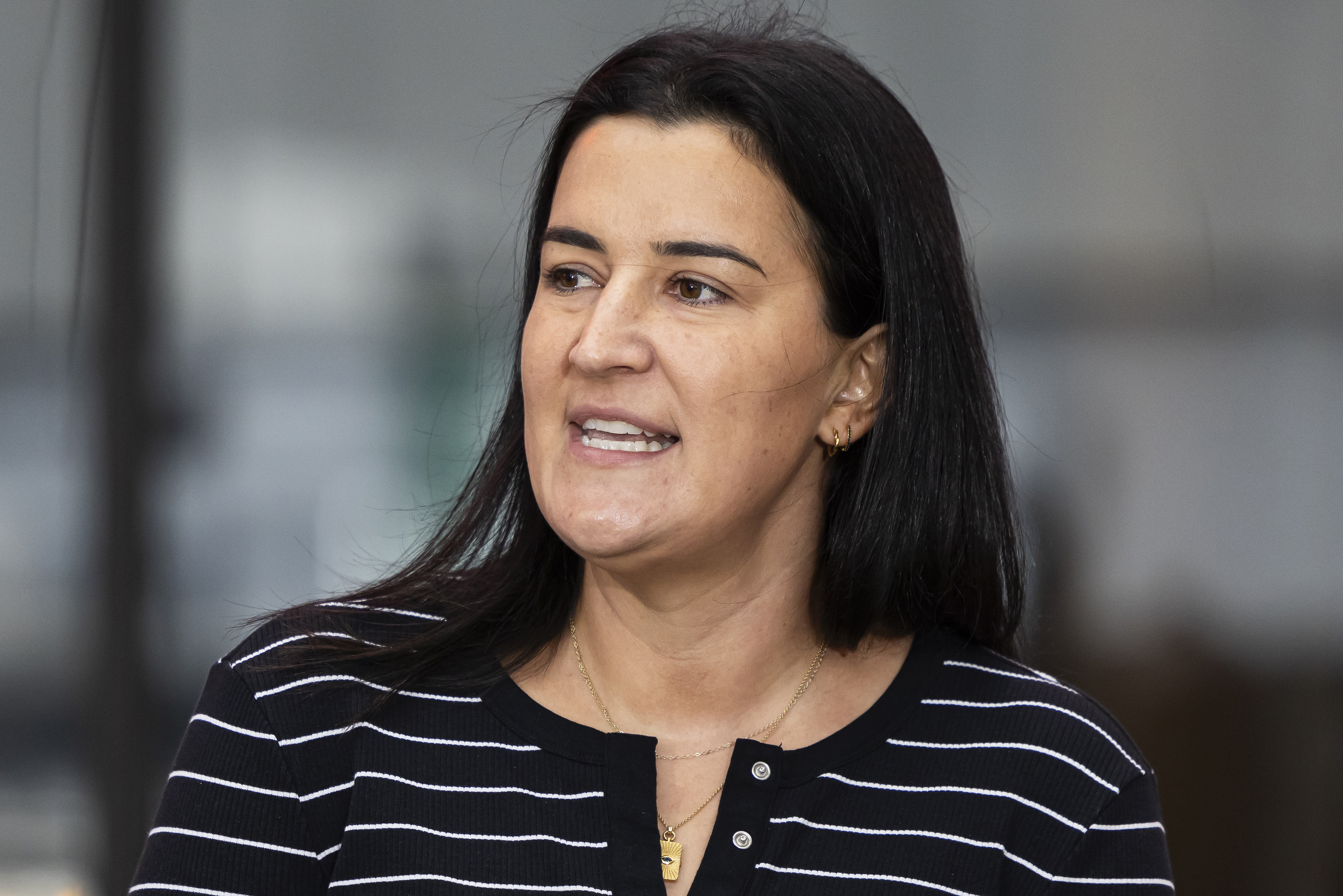
The AFL also recently initiated a National Indigenous Academy featuring 20 boys and 20 girls between 16-18 years "to make sure that we are populating the top end talent" for clubs to select, Kane told National Indigenous Times.
Within the league's Football Department restructure in 2024 Pauly Vandenbergh and Narelle Long have been appointed Indigenous and Multicultural player Engagement Manager and Diversity Talent Programs Manager, respectively.
"More broadly, from a list perspective, or a practical football perspective, (we) have given clubs more flexibility to extend the life of their rookie contracts by a couple of years," Kane said.
Hawthorn NGA Academy product Cody Anderson was the sole Indigenous player picked up in the 2024 national draft - remaining at the Hawks with the 64th selection.
Ricky Mentha and Malakai Champion stayed at Melbourne and West Coast respectively - both part of their NGA academies, as category B Rookie selections.
"What we are trying to do is incentivise the clubs (meaning) nothing would prohibit their ability...after they've developed the best talent, and then also, once they get to the club, make sure that they have the mechanisms in place to move slowly if that's what the player needs," Kane said.
The AFL established the Flying Boomerangs program, a high-performance Indigenous team for boys aged 14-16 two decades ago, with a girls equivalent, the Woomeras, following in 2013.
Both setups take part in annual camps and matches against multicultural teams in the age bracket and played twice each in 2024.
The programs will continue this year.
Kane told National Indigenous Times an expansion of the programs, increased playing opportunities or instruction of all-Indigenous setups in Victoria's Talent League and interstate colts and high-performance competitions are "all really good ideas, and I think we should consider all of the above".
She added the league welcomes all ideas and concepts to help "showcase the best, develop the next best, and create more stars of the future".
"There's so many possibilities of how you could do that, and I think we will, and do explore all of them," Kane said.
Hosch said: "We want to make sure that Indigenous players are in the system on average, as long as non-Indigenous players. There's many, many factors that we have to look at. It's not as simple as just having the right pathways programs."
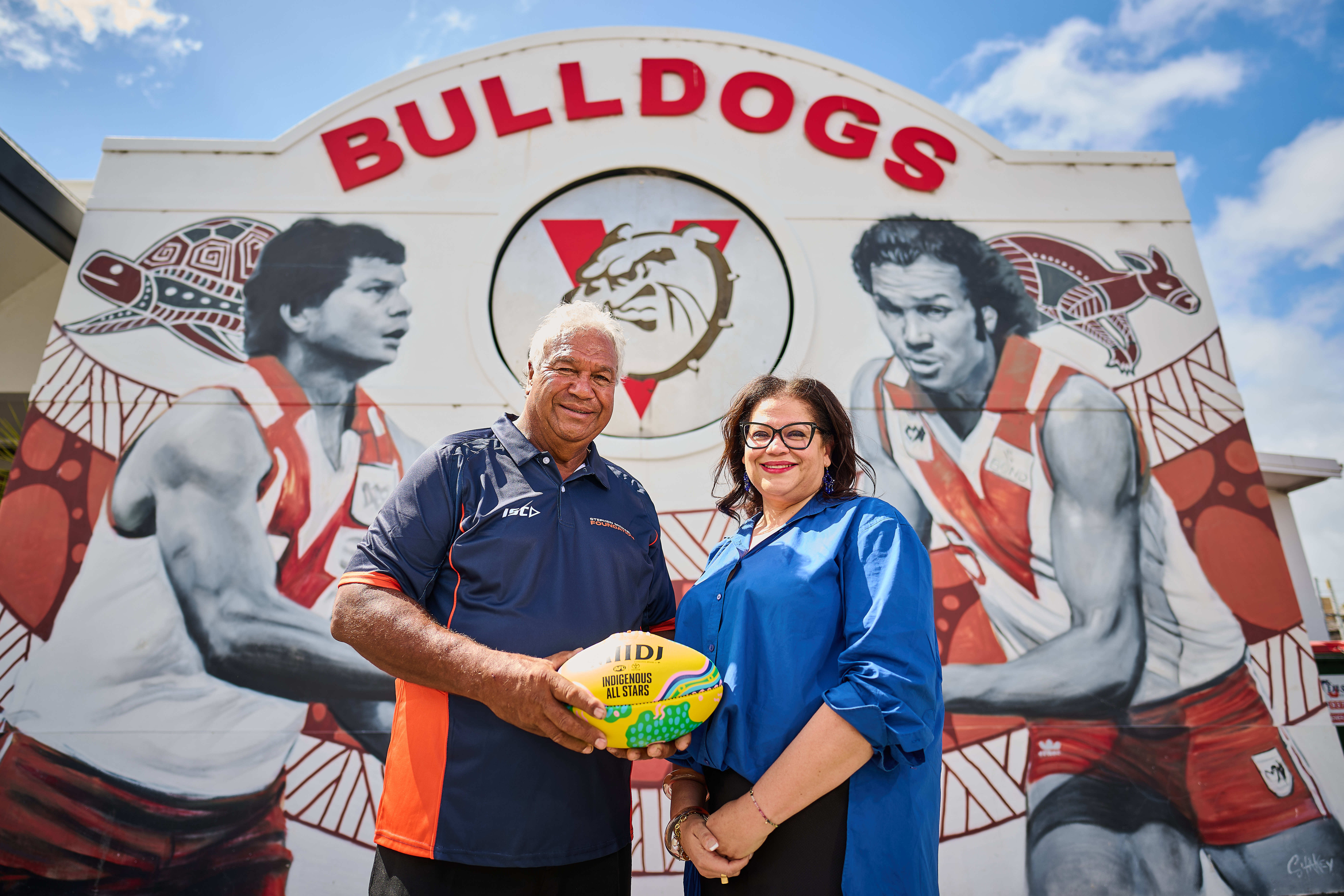
In 2021 the AFL mandated the appointment of Indigenous Player Development Managers, something Hosch said has been a "game changer" strengthening the varying presence of Indigenous liaison officers, community officers and similar roles across clubs.
She added the league are prioritising the development of a code-wide cultural safety framework.
"I think we all recognise there's still work that we need to be doing".
Hosch also noted COVID and the interruptions it had on community-level footy as a clear factor in the decrease in Indigenous players at the elite level after 2020 - when there were 86 players across men's competition.
Both she and Kane see Saturday's Indigenous All Stars match, a return of the side after a decade and as a marquee preseason fixture, as a leading step in the direction forward - as a presence to inspire the next generations of players, coaches and broader benefits.
Former Brisbane and St Kilda player, now-North Melbourne assistant coach Xavier Clarke leads an entirely First Nations coaching group for the All Stars.
Kane said the league are enthusiastic about the match being a more regular fixture, and "hopefully it's only a matter of time" until the introduction of an AFLW equivalent.
The numbers of Indigenous players in the women's competition are lower - about in line with the proportional percentage of the national population.
"We're talking about a whole host of things where we feel good about the reset and the direction that we are moving with our clubs," Kane said of growing Indigenous representation at the top level in general.
"We'll assess how the reset (of recent measures) goes in the next 12 to 24 months. We have lots of things that we can continue to look at and review, and we won't stop until we see the number going in the right direction," he said.



