




To improve cultural safety in care for Aboriginal people living with elevated weight, WA Primary Health Alliance has launched two videos for primary health care practitioners focused on enhancing communication and fostering trust through social yarning and management yarning.
New additions to the Alliance's SHAPE website, 'Yarning about weight: Building trust through social yarning' and 'Yarning about weight: Setting goals and supporting change through management yarning' offer practical techniques to create a more supportive and culturally safe environment for Aboriginal people to discuss their weight-related health concerns.
WAPHA's Senior Advisor on Aboriginal Health, Sara Miller Dyer, told National Indigenous Times that "for Aboriginal people, good health is more than just physical, with a strong focus on holistic wellbeing including the social, emotional, cultural and spiritual wellbeing of the individual and whole community - as well as connection to country".
"These videos encourage meaningful conversations about weight management, free from stigma, and focused on holistic wellbeing," she said.
"Clinical yarning techniques can help support Aboriginal patients to feel comfortable discussing sensitive weight concerns, better understand the health impacts of excess weight, actively participate in developing management strategies and follow through with lifestyle changes and treatments."
On the launch of the new videos WAPHA thanked to Diabetes WA for their support in developing the script and thanked those who featured in the videos.
The Alliance said the people who appeared in the material "enriched these resources, making them more impactful in supporting cultural safety and connection through yarning".
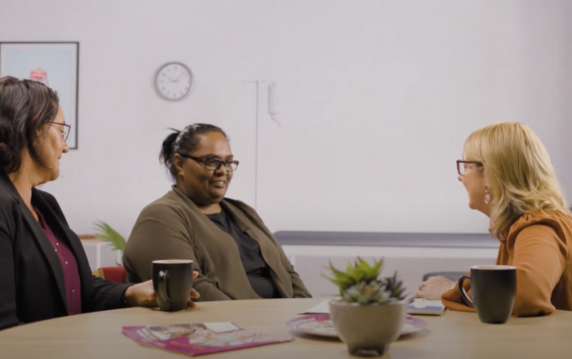
WAPHA said social yarning can help to establish a connection, develop trust and create a safe environment with Aboriginal patients. It is patient-led, allowing them to guide the conversation and creates a more relaxed, conversational tone, helping them to feel more comfortable sharing information.
WAPHA said management yarning facilitates better communication between health care practitioners and their patients through collaborative discussion, supporting them to better understand their health needs and treatment options, leading to more informed choices and commitment to management plans.
"Management yarning provides the opportunity to ask questions, discuss management options and develop a shared and agreed plan," the Alliance said in a statement.
"It requires practitioners to be flexible and adapt their style of communication according to the client's knowledge, health literacy, life experiences, and preferred learning style."
WAPHA said when social yarning and management yarning techniques are used to support Aboriginal patients, they "are more likely to feel comfortable discussing sensitive weight concerns, better understand the health impacts of excess weight, actively participate in developing management strategies and follow through with lifestyle changes and treatments".



