


The Kokoda Track could be the one discipline that has Belinda Duarte's measure.
The time of contesting seven track and field events inside two gruelling days is well and truly behind the retired heptathlete.
"I was an athlete once," she says, "but I got a gummy knee, I had two knee operations and to be frank, I'm a woman who has not been doing much for quite a while."
The feet are pulling up a spot sore on weekend hikes outside of Melbourne to simulate the 96-kilometre trek through the rugged and isolated terrain of Papua New Guinea.
But the Anzac Day pilgrimage whose journey rises 2,500 metres into the sky is as much spiritual as it is the physical.
The inspiration for the Wotjobaluk and Dja Dja Wurrung woman comes from a list of her own warrior descendants.
"Both World War 1 and World War 2 service, I've got family connections of my great-great grandfather and then my uncles, all Blackfullas that served," Duarte says.
The story does not end there.
It starts with her great-great-great grandfather.
Yanggendyinanyuk – also known as Dick-a-Dick – who took part in Australia's historic 1868 Aboriginal tour of England.
The Wotjobaluk man could throw a cricket ball more than 100 metres, and remarkably could evade them from 15 paces.
"That stuff, and how they talk about blocking off cricket balls being whacked at him but with a shield, you just go 'sheez', but I mean, I just loved hearing it," Durate says.
"You could almost visualise what it would have been like. There is this warrior challenge, and he had trust and faith in himself."
The skill in the javelin throw and the high jump for two events of the heptathlon were also in Duarte's genes after Yanggendyinanyuk exhibited a spear throw 130 metres, and jumped 1.60 metres to win a high jump competition while on that English tour.
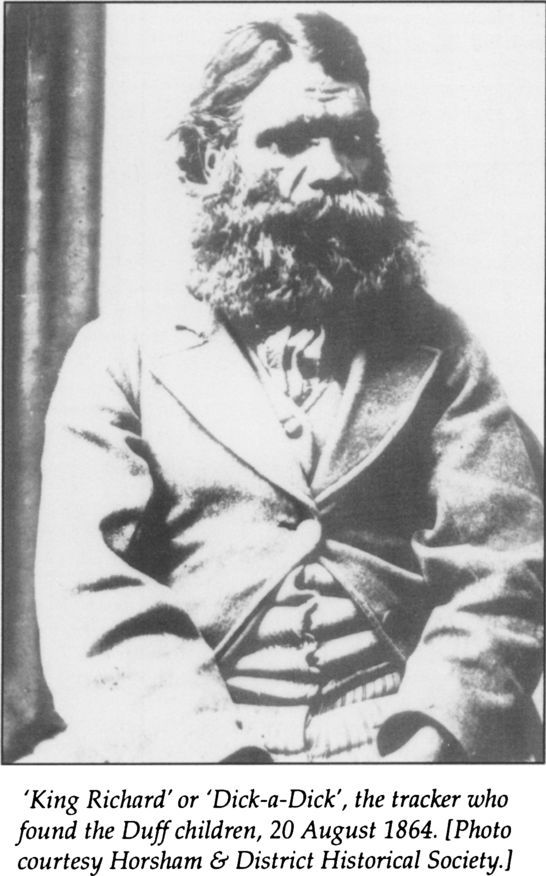
Before learning about cricket, Yanggendyinanyuk was an accomplished Aboriginal tracker in a notable 1864 case.
So talented was his abilities that he found three colonial children that the Wimmera community in western Victoria gave up for dead still alive despite a storm washing away much of the tracks to the naked eye.
"I just have to look at the family that I've descended from and I just feel so inspired, so extraordinarily humbled and so lucky to be of the people I am," Duarte says.
"It just gets me really emotional and the more I find out of our history, the prouder I am. It makes more determined to live life really fiercely."
Another tale from the family archives was sprinter Uncle Bobby Kinnear.
The controversy behind the first Aboriginal man to claim the Stawell Gift in 1883 was downplayed over the years that Kinnear still fondly remembered the win more than 50 years later in a Sporting Globe newspaper article.
The amateur runner was reportedly not acknowledged the winner of the prized 130-yard (118 metres) race despite touching the tape first.
The record books have rectified that since.
"There's a connection and a trust in these old people at the time that the spirits would guide and take care of them," Duarte says.
"There's this level of courage that supersedes any form of poor treatment of the times.
"That we will hold oneself to an integrity and exhibit all of who we are, with all of our talents and not made to say a word, and that will be the voice of our people to show who we are as a people above the brutality of the colonial structure."
The reflections inspired Duarte – before the heptathlon – to trace the same footsteps down Stawell's Central Park lanes to run fourth in the women's equivalent final.
That also carried on past an athletics career that on multiple times was on the cusp of Olympic and Commonwealth Games selections.
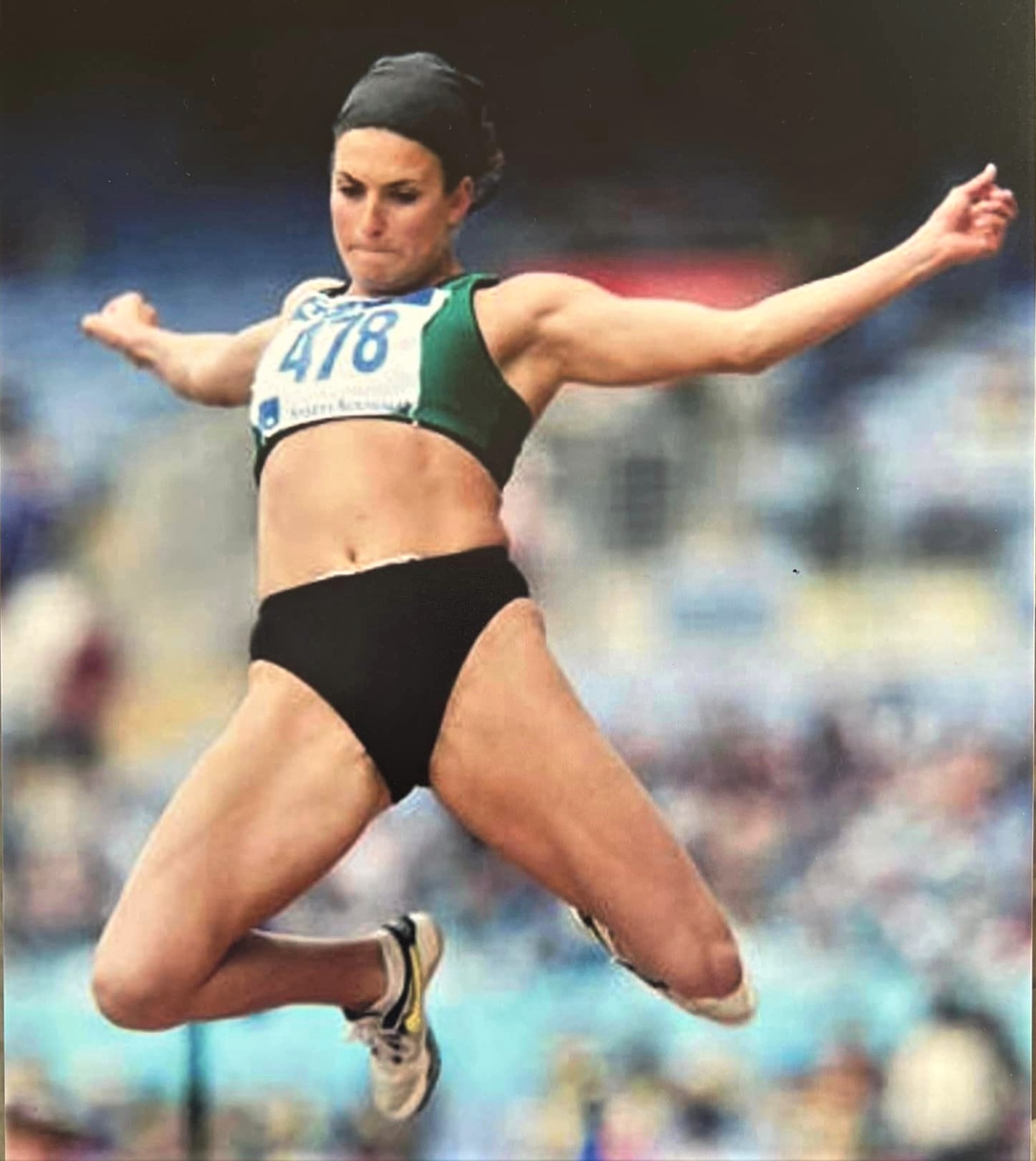
It has gone all the way behind the front desk of the Richmond and Western Bulldogs football clubs.
Duarte was first voted the AFL's Football Woman of the Year in 2012.
She was also presented in 2020 the Parbin-ata Louisa Briggs Award from a Melbourne council for making a significant contribution to reconciliation in the community.
In that same year, she was similarly awarded the Chief Executive Women and Vincent Fairfax Fellowship honours.
Then there is the time Duarte ascended into one of the most conservative institutions in the country.
That time on the MCG Trust is over, essentially by her own successful contribution on several boards, but she took something grandiose that no Long Room could deliver.
"I said this at the launch of Melbourne Cricket Club branch lunch that those old men, they had something to do with me being there," she says.
"It's bigger than just me, like they are looking over."
And from that her standing grew there and she was recognised with a Member of the Order of Australia.
But the 2023 Australia Day honour was hard to celebrate on January 26.
The heart was full of love, but also so heavy.
"To be clear on that day, there was such a generosity from people that was beautiful," she says.
"It was like the conscious choice of the nation is to announce it on the day, and on that day for me personally like many Aboriginal people, it is a very, very heavy.
"It is not just the day but that period – there is huge grief attached, there's a sorrow in my system and what I see in our system that leaves you."



