



2024 NAIDOC person of the year Muriel Bamblett has added her voice to the growing opposition to Victorian government plans to introduce severe prison sentences for children as young as 14.
The Australian and New Zealand Children's Commissioners, Guardians and Advocates First Nations Caucus - and many others - have also condemned the plan, which it says "echo a long and painful history of policy failure".
Ms Bamblett, chief executive of the Victorian Aboriginal Child and Community Agency (VACCA), said early intervention programs are the best way to divert children from the youth justice system.
"What we need are trauma-informed, culturally safe services for our children and communities," she said.
"The proposed reforms to try children as adults will do nothing to divert children from crime, but instead ensure they are trapped in the justice system for life."
Under the proposed changes, children as young as 14 will appear in an adult court and could be sentenced to life in prison.
"This is a short-sighted attempt to fix a broader systemic issue for political gain," Ms Bamblett said.
"I am horrified by the idea of a 14-year-old being sentenced to life in prison. What do we lose as a society when a 14-year-old could spend their life behind bars?"
VACCA said the proposed move by Jacinta Allan's Labor government disregards "significant research" linking poorer outcomes across every measure for children who become involved in the justice system, and breaches the United Nations Conventions on the Rights of the Child, as well as Victoria's own Charter of Human Rights.
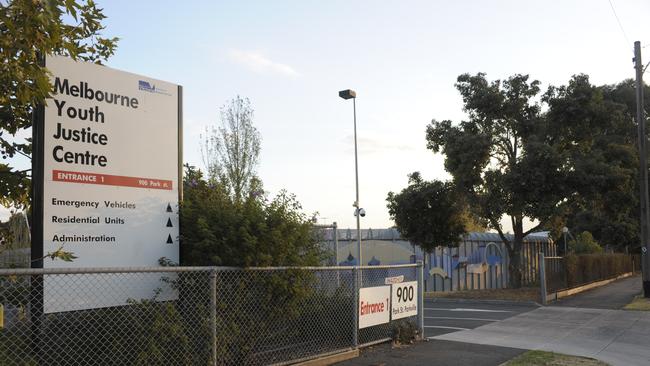
Aboriginal Community Controlled Organisations, like VACCA, develop early intervention and youth justice programs for children and young people that ensure they have access to the services and support they need and are diverted from the youth justice system.
"We have the knowledge and experience to work with Aboriginal children and young people, however too often our calls for appropriate funding are ignored," Ms Bamblett said.
"Why does the government want to focus more on cruel and punitive models, rather than early intervention and prevention?
"Sentencing children as adults doesn't solve the problem; it simply satisfies a need to be seen as 'tough on crime'. Our children deserve better."
VACCA urged the government to reconsider the legislation and instead invest in early intervention, prevention and education programs that support our children to make better choices.
'A long and painful history of policy failure'
The Australian and New Zealand Children's Commissioners, Guardians and Advocates First Nations Caucus said the government's 'adult time for violent crime' Bill is "not evidence-based, nor... consistent with what keeps communities safe".
The Caucus said the "overwhelming evidence" in Australia and internationally shows incarcerating children increases the frequency and severity of offending.
"Such laws echo a long and painful history of policy failure - from the 1991 Royal Commission into Aboriginal Deaths in Custody to the 2017 Northern Territory Royal Commission - all of which reached the same conclusion: criminalising and imprisoning children causes harm and makes our communities less safe," the Caucus said in a joint statement.
"Children and young people who will be most affected by these laws are those already failed by multiple systems - disproportionately Aboriginal children and those experiencing poverty, disability, or family violence.
"Often, these children and young people have been victims of crime themselves before engaging in criminal behaviours. Evidence is clear that the most effective responses to youth offending are community-led, culturally grounded, and focused on early intervention, prevention and rehabilitation."
The Caucus also noted that Article 19 of the United Nations Convention on the Rights of the Child requires adults to protect children from harm, and Article 40 requires detention be used only as a last resort and for the shortest possible time.
'These new laws will not create a safer Victoria'
Commissioner for Aboriginal Children and Young People, Victoria, Meena Singh said "First Nations families and community know that when laws like this come into effect, they will disproportionately impact our children and young people, as well as children and young people who have experienced trauma, family violence and have unmet mental health and wellbeing needs".
"These new laws will not create a safer Victoria," she said.
"The obligation of the Victorian Government is to follow the evidence in framing justice policies that recognise the critical differences between adults and children, and to properly invest in critically needed prevention, early intervention and rehabilitation. That is our best chance of solutions that make our communities safer."
The legislation will require amendments to the Crimes Act, the Children, Youth and Families Act, and the Youth Justice Act.
"We want the courts to treat these violent children like adults, so jail is more likely and sentences are longer," Premier Allan said.
"Adult time for violent crime will mean more violent youth offenders going to jail, facing serious consequences."
Growing opposition
The government's plan has also been condemned by the Victorian Aboriginal Legal Service, the Human Rights Law Centre, the Greens, Shara Clarke Aboriginal Restorative Justice Services, 54 Reasons, Senator Lidia Thorpe, the Commission for Children and Young People, Jesuit Social Services, and the National Network for Incarcerated and Former Incarcerated Women and Girls.
Senator Thorpe has urged Federal Minister for Indigenous Australians Malarndirri McCarthy to follow through on her commitment to impose sanctions on states and territories that undermine Closing the Gap targets, saying Victoria "must be put on notice" over the plan.



