




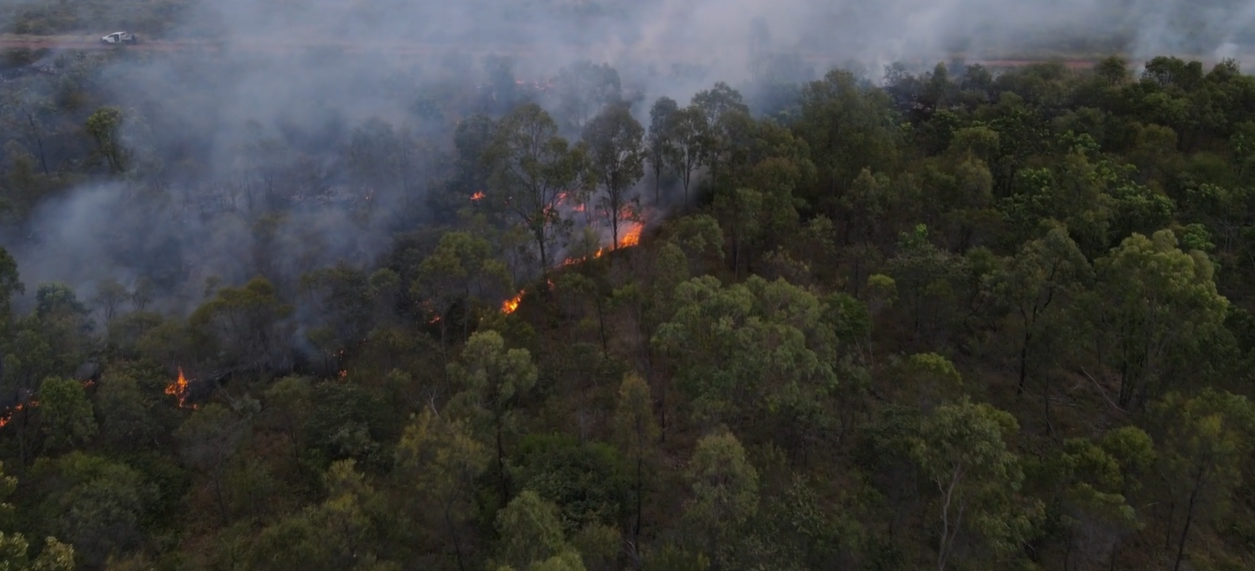
A Traditional Owner-led cultural burning project in North Queensland is reshaping grazing land management by introducing graziers to Indigenous fire practices.
The project, a collaboration between NQ Dry Tropics, Firesticks Alliance, WWF-Australia and Gugu Badhun Traditional Owners aims to rejuvenate pastures, protect against destructive fires and reconnect young Indigenous Australians with traditional land management.
After the 2019-20 bushfires, the NQ Dry Tropics Traditional Owner Management Group highlighted concerns over the lack of cultural burns, fearing the region's ecosystem was becoming unhealthy without the traditional practice.
This led to a partnership with Firesticks Alliance and its co-founder, Mr Victor Steffensen, a cultural burning expert and Tagalaka descendant.
"We started with landscapes on Jervoise Station that were totally choked up and unviable," said Mr Steffensen.
"We've opened up those areas, brought back grass, and reclaimed the land in ways that make their livelihood a lot more fruitful."
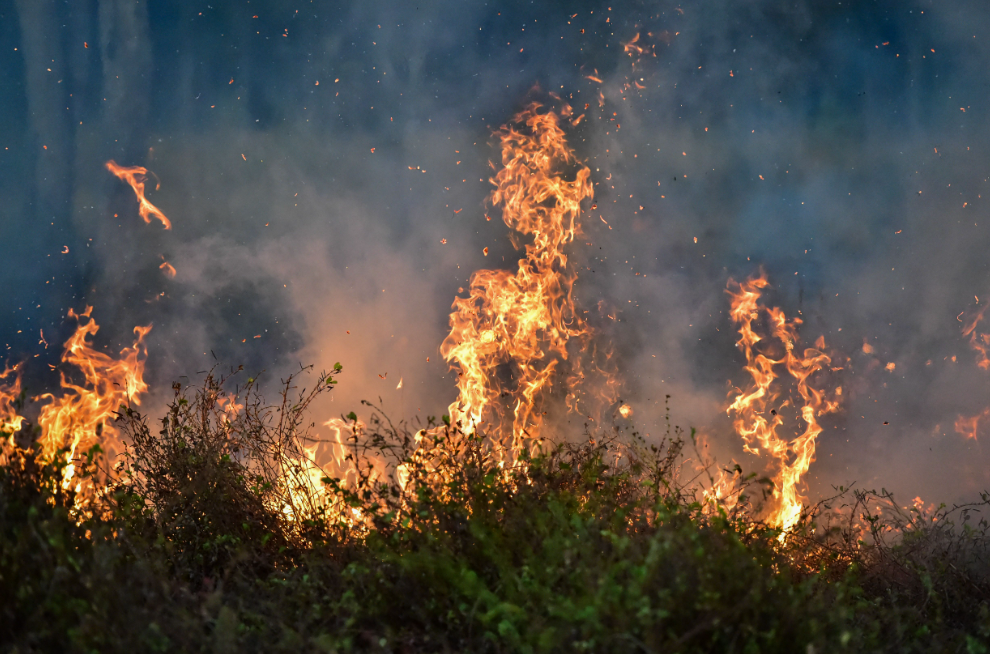
Workshops hosted at Jervoise Station since 2022 have brought together graziers and young Indigenous Australians, aiming to rebuild traditional skills in managing the land with fire.
Mr Steffensen said the project is shifting attitudes among graziers, who have traditionally avoided fire.
"Graziers used to clear all the big old parent trees," he explained.
"Now they're looking at putting the trees back and using fire to control invasive species that smother grass and reduce productivity.
"It's the same method that we use for natural landscapes and looking after the Country for our native animals."
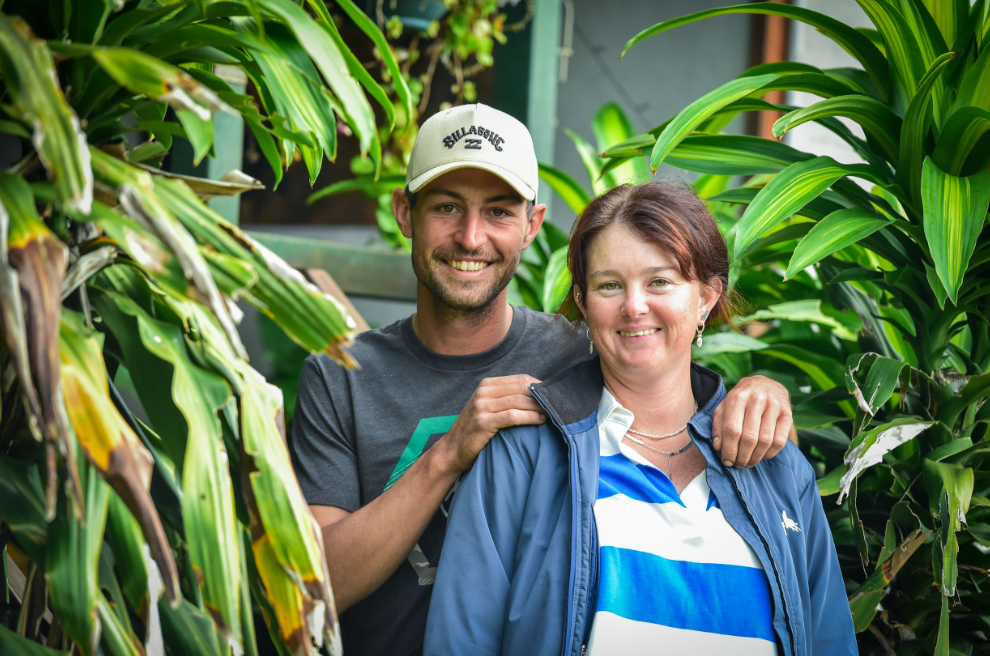
Ashton Smith, a fourth-generation farmer at Jervoise Station, reflected on the shift in perspective.
"Most graziers fear fire," she said.
"But Victor has shown us how to comfortably read the landscape and do a cool burn without the fear it will get away or start a bushfire."
Ms Smith said the benefits of the burns were quickly evident, with fresh grass attracting cattle to newly treated areas.
"In some places, the response to the first burn has been phenomenal," she said.
"But this isn't a quick fix. We'll need to adapt the fire we put through the land to bring it back to a natural, more usable state."
Elliot Smith, Ashton's partner, agreed that fire has provided a more sustainable alternative to bulldozing, which had worsened the landscape in the past.
"We're going to have to adapt the fire we put through the land," he said.
Barry O'Sullivan from Glenalpine Station, who travelled 600 kilometres to attend the workshop, said he was eager to learn from Indigenous land management practices.
"I've done a lot of holistic education and was keen to add to my holistic way of thinking by exposing myself to Indigenous Knowledge," he said.
"Aboriginals have been here for a long time, keeping the landscape in balance."
Mr Steffensen said mentoring young Indigenous leaders has been a rewarding part of the project.
"It's been great to train the next practitioners," he said.
"For Aboriginal people, it's employment, connecting with Country, and exercising opportunities to help pastoralists improve landscapes."
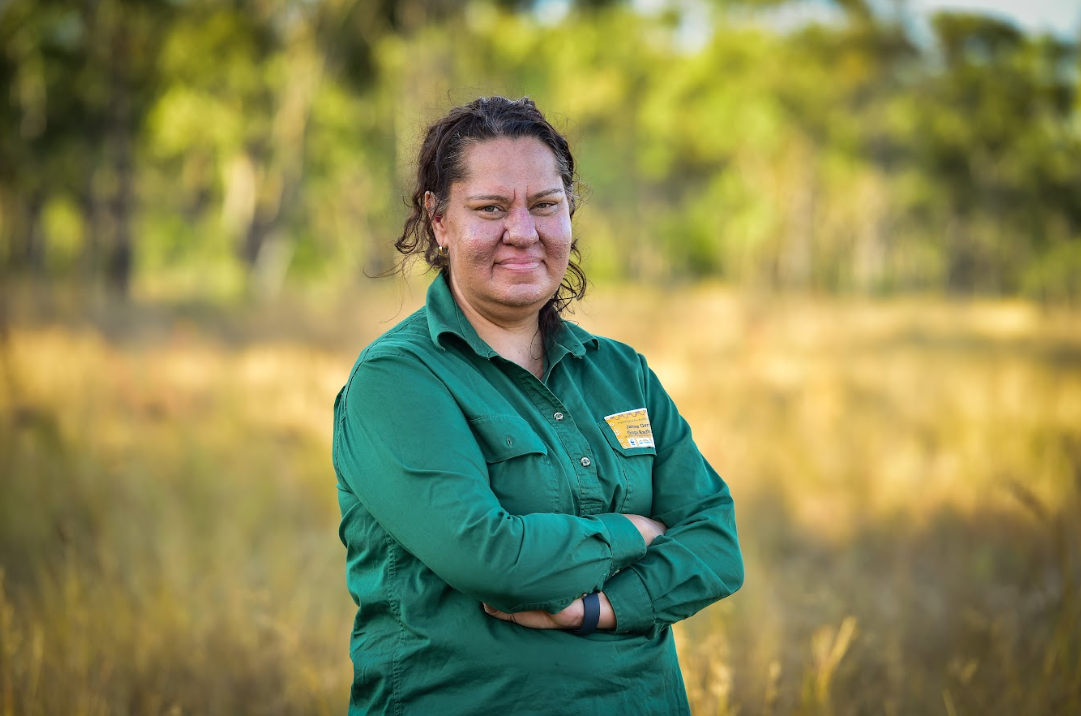
Gugu Badhun Traditional Owner, Dr Janine Gertz, spoke on the cultural importance of fire to her people.
"Gugu Badhun people understand that our Country was created out of fire, and fire is how we should be maintaining Country," she said.
"Healthy land makes healthy Gugu Badhun people."
Dr Gertz said both graziers and Traditional Owners share similar aspirations for the land.
"Our aspirations are for our people to have meaningful lives on Country, doing a job that aligns with cultural values," she said.
"It's good for you, your people, and Country."
Ms Karen Vidler, Partnerships Coordinator at NQ Dry Tropics, said the project has united graziers and Traditional Owners in a shared goal of land stewardship.
"Graziers want to pass their land on to the next generation in better shape, and Traditional Owners, as custodians of the land, want the same for their young people," she said.
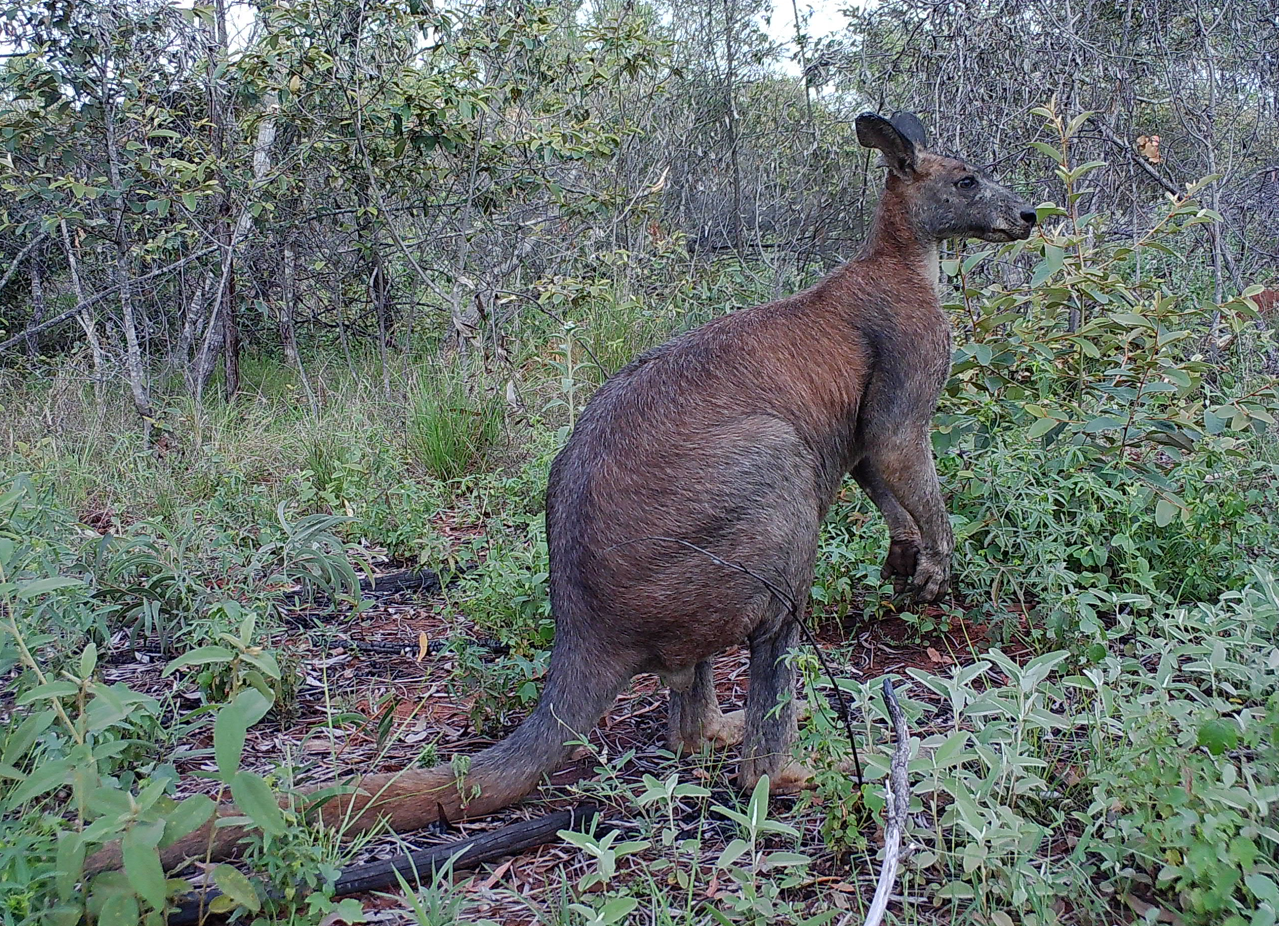
Ms Vidler explained cultural burning provides a range of environmental benefits beyond grazing.
"It's not just cattle and pasture that benefit from cultural burning," she said.
"It also helps native species and protects against destructive bushfires."
Funding from WWF-Australia has supported the project as part of a wider goal to regenerate nature by 2030.
WWF-Australia First Nations Principal Advisor, Cliff Cobbo, said the initiative demonstrates the potential of Indigenous knowledge in sustainable land management.
"This project shows the real gains for nature, landscapes, communities, and profits that come from embracing knowledge developed over tens of thousands of years," he said.
Gugu Badhun Traditional Owner, Richard Hoolihan, highlighted the role of workshops in reconnecting young people with Country.
"We're out on Country working with farmers to reclaim land lost through overgrown, pest trees," he said.
"We're teaching younger people about plants, how they burn, and the best time to burn.
"It's essential for cultural knowledge and environmental stewardship."
This cultural burning project represents a sustainable approach to land management, blending ancient Indigenous practices with the needs of today's graziers.
As more people come together to manage the land in line with cultural values, the initiative sets a path toward a shared and resilient future for North Queensland.



