Good day everyone and welcome to a new edition of Mangarri Man.
Arriving back in the Kimberley after a six-week hiatus down south there's been a significant change in the weather conditions. The humidity and temperature are on the rise, and even though any rain is a long way off we are getting dewy nights and many plants are beginning to respond to the change in the conditions by putting on a flush of new growth.
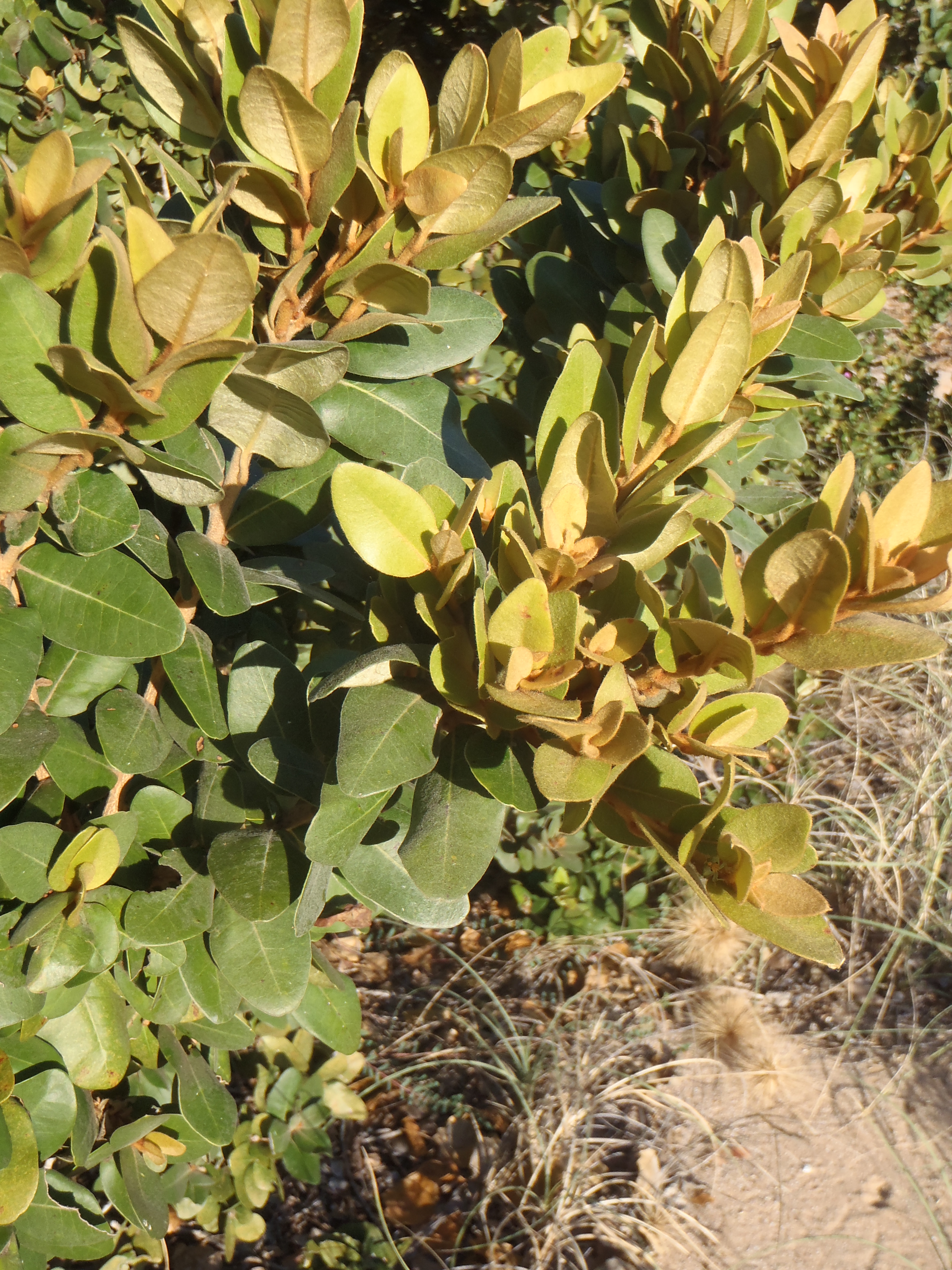
One tree that caught my eye as I strolled through the Monsoon Vine Thicket behind Cable Beach was Sersalisea (Pouteria) sericea or minyjuru as it is known in the local Yawuru language. It was covered in rusty golden, hairy new shoots that are in stark contrast to the leathery olive-coloured mature leaves.
Also in view were the occasional fruit which bodes well for a tasty harvest in the next month and on through the wet season. As they ripen from green to burgundy, the fruit provide a sweet treat, no larger than a raisin but every bit as delightful. You need to be on your game if you are to find them before the birds.
Sersalisea sericea is generally found in rainforest pockets, monsoon vine thickets and damp humid gullies across the Top End from the Kimberley to Central Queensland. However, on the Dampier Peninsula north of Broome it can be found in the savannah on relict sand dunes. Adaptions including a dense canopy and thick fire-retardant leaf litter allow it to survive the frequent blazes that occur in this region. These sentinel trees provide valuable protection for roosting birds which ingest the fruit and spread it through the surrounding area through their droppings.
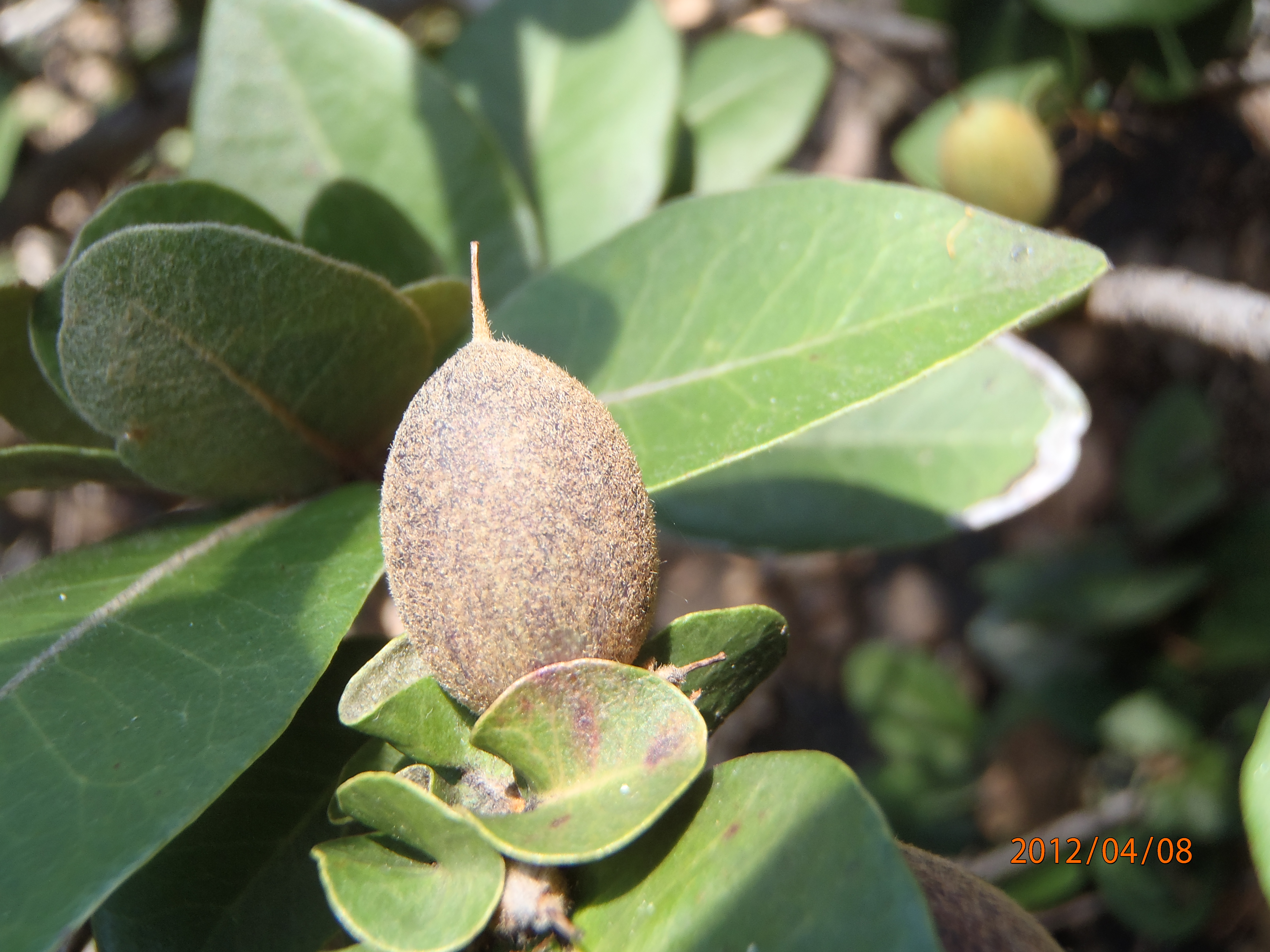
Sersalisea sericea is a member of Sapotaceae. The family includes many edible tropical fruits including star apple or caimito, sapodilla and the mamey sapote. Along with these commercial varieties there are a multitude of other Sapotaceae members that indigenous peoples throughout the tropical world utilise in their diets. All are fleshy and contain large seeds within the fruiting body. I encourage you to try the commercial varieties next time you are at a large tropical market, my bet is you'll find them juicy and delicious.
For those of you who do live in the tropics most Sapotaceae species will thrive in a well composted soil with extra water. Sersalisea sericea too will do well and can be germinated from fresh seed. To do so, place on top of quality potting mix and cover with a two-centimetre layer of leaf mulch. Keep moist, you will need to be patient as the seed can take up to three months to germinate.
Sersalisea sericea make excellent garden trees, keep in mind they can grow to five metres tall and if planted in full sun may also cover this in width. They are long lived and slow growing so maybe plant one for the grannies.
Sersalisea sericea is also known as mandangnud in Kunwinjku, mangarr in Bardi and Nyul Nyul, wunbirraagu in Uunguu, murinyi in Tiwi, binyjirliny in Gija and mungor in Alawa. Many people refer to it as Wild Prune.