



Aboriginal and Torres Strait Islander employees are often being asked to carry extra unpaid cultural work in their workplaces as NAIDOC Week run it's course, with advocates warning the burden can have lasting effects.
The issue, known as "cultural load", refers to the unpaid and often invisible work placed on First Nations people to provide cultural knowledge, education, emotional support and guidance outside their formal roles.
The Gari Yala 2 survey, by University of Technology Sydney's Centre for Indigenous People and Work, found almost two thirds of Aboriginal and Torres Strait Islander employees experienced high levels of cultural load.
It also found half of Indigenous employees worked at least one or more unpaid hours a week as part of cultural load, which can add up to an extra year of unpaid work across a working life.
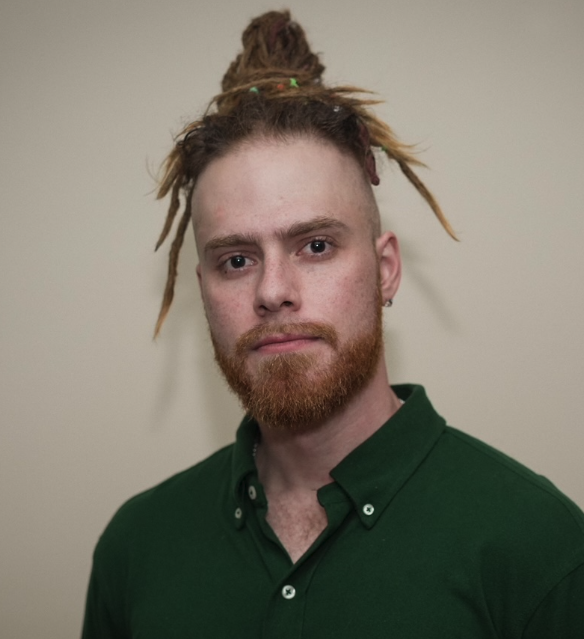
Wiradjuri/Bundjalung woman Shanice Hamilton told National Indigenous Times the burden was often carried quietly and could be difficult for non-Indigenous colleagues to see.
"Cultural load, from my perspective, is an obligation and an extra weight that Indigenous people wake up with every morning and carry throughout the day," Ms Hamilton said.
"It's mob carrying the weight, trying to repair and restore our identity.
"It's something that people within the workplace rely on us to educate, to inform, to guide and advise on top of our workload, without any extra compensation."

Ms Hamilton said the issue became clear in a previous government role when she and another Indigenous colleague were asked to organise catering for a Sorry Day event.
The request came on top of their normal duties, which involved managing an important caseload in the community.
Ms Hamilton said they had to leave the office, buy food and cakes, return to set up the event and then watch staff attend without showing much understanding of the day.
She later asked her manager whether she knew what Sorry Day meant.
The response left her shocked.
Ms Hamilton said explaining the meaning of the day created its own emotional burden.
"I was very curious in regards to why the First Nations people were being asked in the office to cater for non-Indigenous people on a day that was meant to be an apology," Ms Hamilton said.
"When you have to explain what the day is about, it really cuts deep, it hurts."
The experience showed how workplaces could turn cultural events into extra work for the people the day was meant to recognise.
She added non-Indigenous staff should take more responsibility for learning rather than expecting First Nations employees to provide all the answers.
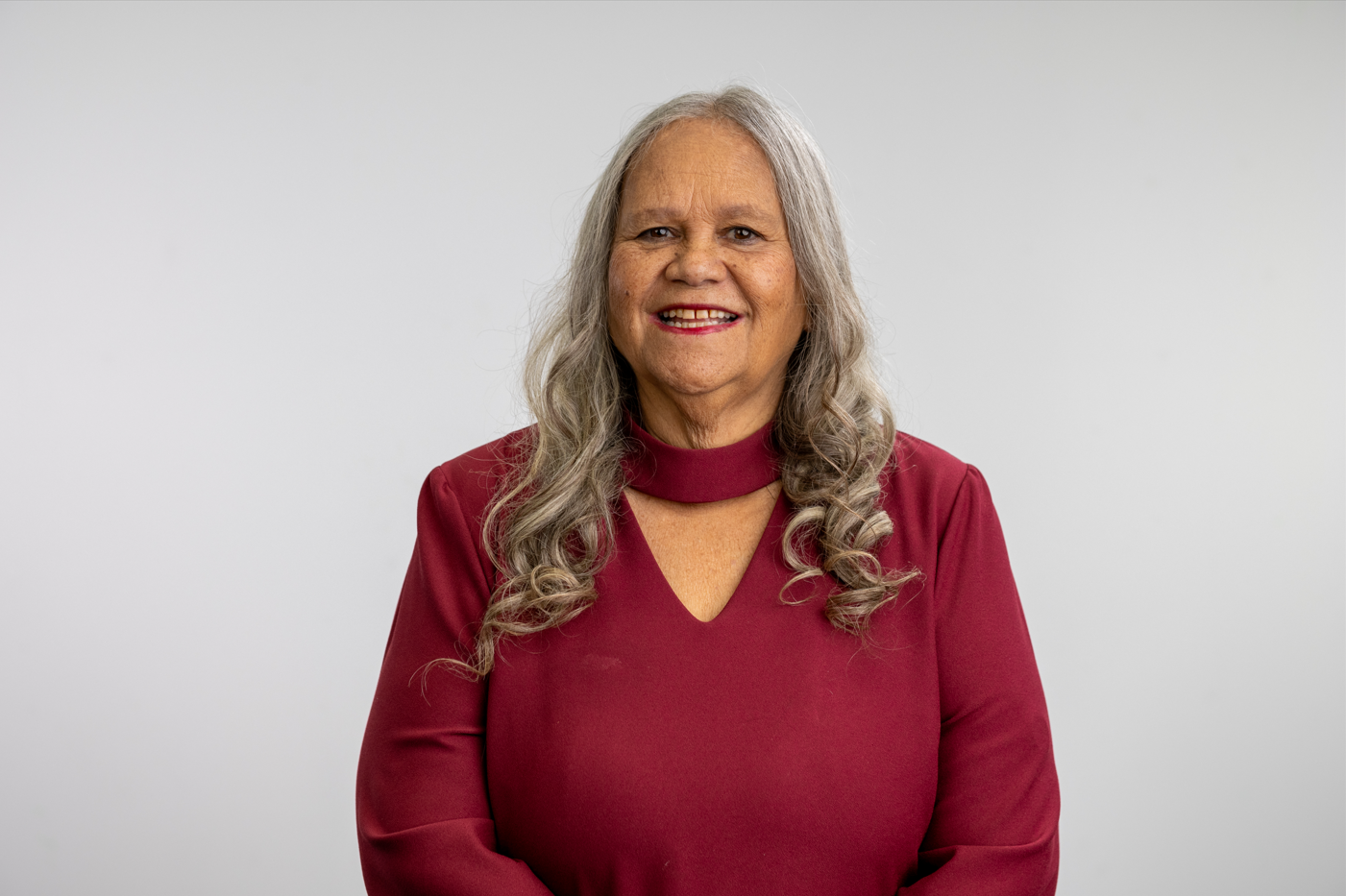
Bardi Elder and co-director of Evolve Communities Aunty Munya Andrews, said NAIDOC Week should be celebrated with care in workplaces.
"Our mob should not be expected to organise everything, educate everyone or speak for all First Nations peoples on top of the work they are already employed to do," Aunty Munya said.
"For many First Nations employees, cultural load is carried quietly.
"They may feel a deep responsibility to help create understanding, but that responsibility should not fall on their shoulders alone."
Ms Hamilton said the issue extended beyond NAIDOC Week, Sorry Day and other significant dates saying workplaces needed ongoing cultural learning across the year, including regular opportunities for staff to ask questions, share stories and build understanding.
"It has to be embedded, it's not just on a significant day," she said.
"There's meaning behind everything that we do, who we are, our culture, our people."



