


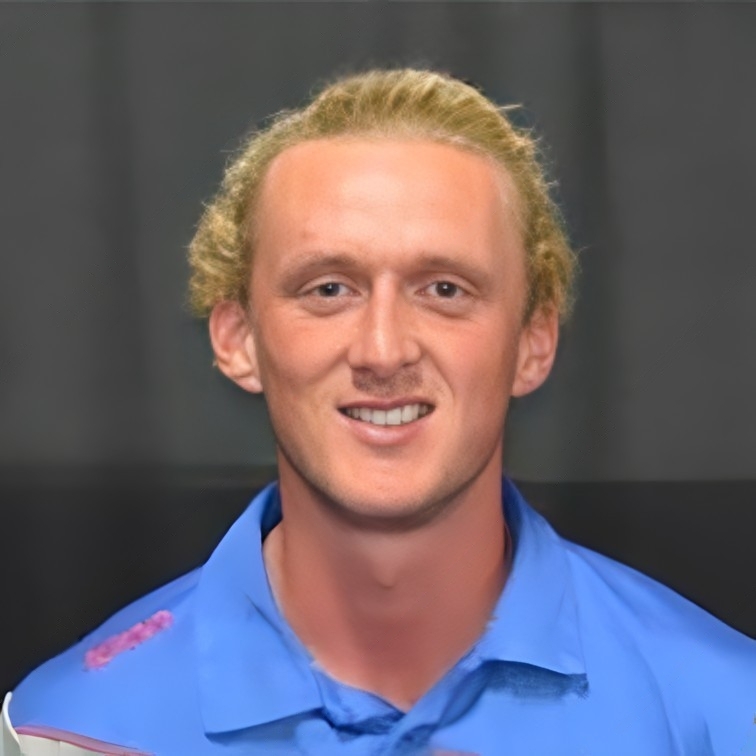

A yarning circle was recently held at RAAF Base Williamstown, with Defence aviators coming together for deep and meaningful conversations during National Reconciliation Week.
Led by Biripi woman and Air Force Indigenous Liaison Officer Corporal Karla Sewell-Blacklock, the culturally safe and inclusive space served as a platform for truth-telling and cultural exchange.
"It's a circle, meaning the stories will never fall out – they continue to be passed from person to person," Corporal Sewell-Blacklock said, Defence reports.
Corporal Sewell-Blacklock welcomed aviators to the space with artwork featuring native plants which captured this year's National Reconciliation Week theme, 'Bridging Now to Next'.
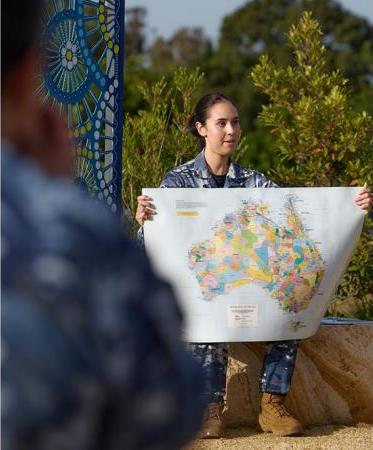
Participants were also guided through Aboriginal culture using a map of Aboriginal Australia, with Corporal Sewell-Blacklock explaining the diversity of more than 250 languages and clan groups.
She then shared the Worimi Dreaming story of Guparr and Wabaray, two dolphins transformed by Biami the Great Spirit into the first Worimi people.
"They swam between Yaccaba and Tomaree headlands – Yaccaba being the male and Tomaree the female," Corporal Sewell-Blacklock said.
"They created islands to protect the fish in the bay. Their selfless act was rewarded, and the dolphins were transformed on the shores of Birubi beach into the first Worimi people."
Corporal Sewell-Blacklock has a background in supporting children in foster care, youth detention centres and child safety systems.
During the yarning circle she spoke passionately about the five pillars of reconciliation which support meaningful change.
"Our pathway programs bridge gaps and help break intergenerational cycles," Corporal Sewell-Blacklock said.
Aboriginal aviator from Western Australia's Yamaji and Noongar mob Leading Aircraftman Jordan Dodd participated in the yarning circle. He said the event represented a step towards healing.
"It was a space where my voice could be heard and my culture acknowledged," Leading Aircraftman Dodd said.
Leading Aircraftman Dodd also reflected on the impact of the Stolen Generations.
"Many lost their identity and connection to land and people – caught between cultures, feeling too white to be black, and too black to be white," he said.
"But with education and open conversations, we can start to fix it. Change won't happen overnight, but we're heading in the right direction."
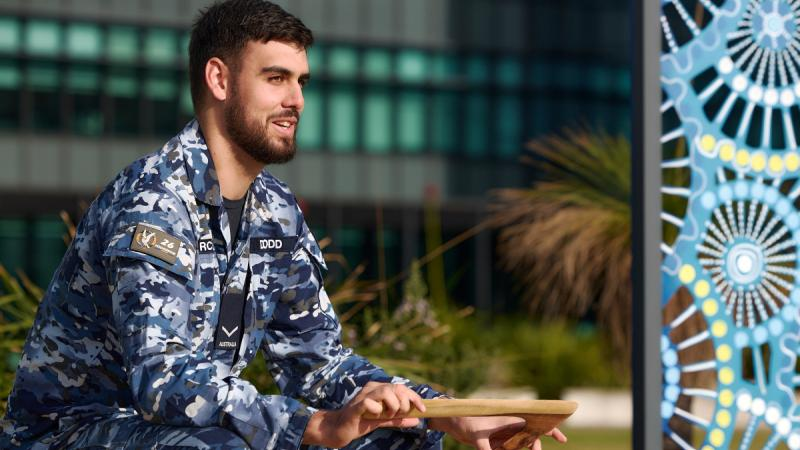
Leading Aircraftman Jordan Dodd describes the use of hunting weapons, such as the boomerang, during a yarning circle. (Image: Leading Aircraftwoman Laura Flower)
During the yarning circle artefacts including hunting weapons such as the boomerang and a Coolamon, a vessel mainly used by women to carry everything from bush tucker to babies, were on display
Local stories were also shared, including that of the Gymea lily, native to the Port Stephens area, which held practical and cultural value for the Worimi people.
"The lily's tall stems were used as spears, and its bloom signalled whale migration," Corporal Sewell-Blacklock said.
"Worimi women would light fires on the beach and sing the whales to shore to feast. Nothing was wasted – the blubber, for instance, was used as skin protection."
Commander Air Combat Group Air Commodore Pete Robinson said recognising and celebrating Indigenous history strengthened both the Air Force and the nation.
"It's a vital part of who we are," Air Commodore Robinson said.
"Acknowledging our shared history should be embedded in our culture, not limited to specific dates. It's something we need to carry with us year-round."



