


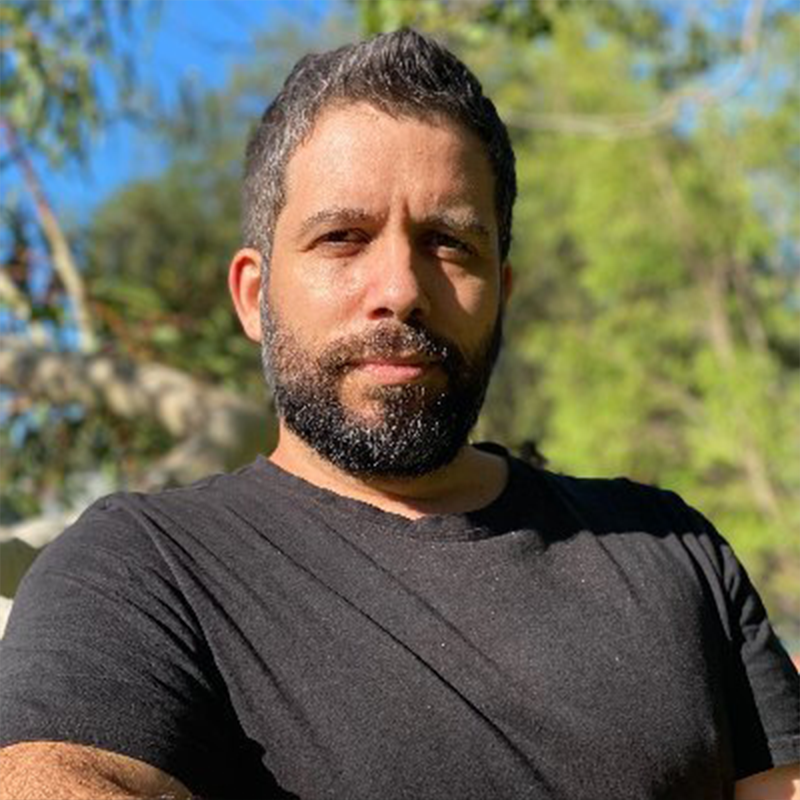

A world-first study led by Menzies School of Health Research has uncovered an important breakthrough regarding effective vaccines to prevent hearing loss for Northern Territory First Nations children aged 12-36 months.
Published in PLOS Medicine last week, the five-year study looked to uncover which type of pneumococcal conjugate vaccine (PCV), +P or +S, could best reduce debilitating hearing loss caused by chronic otitis media (middle ear infection).
The +P vaccine (known as PCV13) is the vaccine currently provided to children in the NT, and the study found the group who received +P had better hearing than those who in the +S vaccine (known as PHiD-CV10) group. The difference in hearing loss between the two vaccine groups was found to be 20 per cent (but due to the small sample size, the real difference likely to be between 1-37 per cent).
Due to vaccine formulations and the bacterial make-up of otitis media, it was expected that the +S vaccine would provide better protection against hearing loss. Researchers said the findings are crucial to helping guide research, policy and practice, particularly as new vaccine formulations become available.
This research moves one step closer to tackling the impacts of otitis media, where Australian First Nations children have the highest reported rates of otitis media in the world.
Lead author of the study and lead of Menzies Ear Health Research Program, Professor Amanda Leach AM, has dedicated her career to tackling otitis media and earlier this year was named in the National Health and Medical Research Council's 10 of the Best – Fifteenth Edition.
"Almost every Australian First Nations child living in remote regions of the Northern Territory experiences chronic otitis media in their early years of life. It is crucial that this illness is prevented or treated early, to reduce hearing loss, and subsequent impacts on learning and development," she said.
"These studies are vital in ensuring that vaccines are best meeting the needs of high-risk populations and strive to achieve better health outcomes for First Nations children.
"We also thank the First Nations families who participated in this study. We greatly value their commitment to improving the health and education outcomes for their children."
The study was funded by the National Health and Medical Research Council (NHMRC), which supported the roll out of two randomised control trials of head-to-head and combination vaccine schedules. The studies, independent of the pharmaceutical industry, looked at the role vaccines can have in preventing hearing loss, helping to address the life-long and debilitating effects of otitis media.
Senior author of the study and Menzies Senior Principal Research Fellow, Professor Peter Morris, said all young children should be able to hear, listen, speak and learn to communicate during their early years of life, but due to the devastating impacts of chronic otitis media, First Nations children experience life-long disadvantage due to this illness.
"The results of this study are extremely helpful. Many people thought that the +S vaccine would be better, but the prevalence of moderate hearing loss halved and normal hearing doubled in those who received the +P vaccine (PVC13) when compared to the +S group. This trend continued at each six-month follow up, until the child reached three years of age, but with a smaller difference," he said.
"We welcome the opportunity to further evaluate the impact of these vaccines. Clinical trials are the best way to understand their effectiveness and to help stop this preventable disease in its tracks."
The full research findings are available online.



