




The Noongar Family Safety and Wellbeing Council has welcomed the recent announcement of an extension to the Aboriginal Representative Organisations (ARO's) and further investment into Aboriginal Family Led Decision Making.
Last week, the WA government set aside nearly $45 million in the 2026-27 State Budget to expand two programs led by Aboriginal communities, including Aboriginal Family Led Decision Making (AFLDM).
Child Protection Minister Jessica Stojkovski said the government is "proud to work with Aboriginal organisations and leaders" and called the expansion part of reforms started in 2021.
However, Dr Hannah McGlade, a member of NFSWC, said the announcement took the Council — where she serves on the board — by surprise, even though it led the push for Aboriginal self-determination in child welfare and AFLDM in WA.
The Council advocates for Aboriginal children's rights in child protection matters, keeping children connected to family and culture during removals.
"The Noongar Family Safety Wellbeing Council led the campaign in WA for reforms including AFLDM and the work of Aboriginal women must be recognised," Dr McGlade told National Indigenous Times.
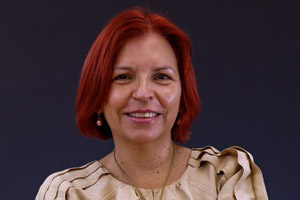
"Aboriginal women began campaigning more than a decade ago, alarmed at the increasing rate of Aboriginal child removals, including babies," Dr McGlade said.
"Unfortunately, during the legislative reform process, our calls for AFLDM in law were dismissed by the state government. This was somewhat contradictory as the legislation affirms Aboriginal self-determination."
The AFLDM model brings families into decision-making when child protection concerns arise, with the aim of preventing children from entering care.
The government says the pilot has diverted or reunified 47 children.
Dr McGlade emphasises the need to ensure in law that every Aboriginal child and family must be afforded AFLDM before anyone makes decisions about children.
In a 2020 submission to a parliamentary inquiry, SNAICC and the Noongar Family Safety and Wellbeing Council said proposed child protection laws fell "well short" and called for Aboriginal family-led decision making to be formally required.
They warned at the time that WA was lagging behind other states, where similar models had already been embedded.
When reforms were passed in 2021, AFLDM was not legislated. Instead, Parliament deferred the issue to a future review of the Act, drawing criticism from Aboriginal stakeholders.
Subsequent reviews have echoed those concerns, finding that while AFLDM and related programs are operating, they are not yet backed by law or full decision-making authority.
Dr McGlade says the latest funding does not resolve that.
The state is finally expanding Aboriginal-led programs, she said.
"But the Council, which has led reforms and even hosted the UN Expert Mechanism on the Rights of Indigenous Peoples' first country visit in Australia, must be supported and heard."
She urges that Aboriginal people gain jurisdiction over Aboriginal child welfare, as recommended by the Bringing Them Home inquiry. Aboriginal communities, she insists, must make all critical decisions about children and child placement across WA.
"To date, only Victoria has agreed to implement this outstanding recommendation from the 1996 Australian Human Rights Commission inquiry," Dr McGlade said.
National Indigenous Times contacted Minister Stojkovski for comment.



