




Warning: This report discusses suicide and suicidal ideation.
In the wake of the latest Closing the Gap data, which found an increase in suicide for First Nations people across the country, new research has revealed an urgent need to improve access to clinically and culturally appropriate mental health services to improve outcomes for young Indigenous people.
42 per cent of participants in the first-ever comprehensive dataset on Aboriginal youth mental health in Australia, compiled by leading psychologist Dr Tracy Westerman and The Westerman Jilya Institute, had experienced thoughts of suicide.
The study, published in Australian Psychologist, showed of the 1226 Aboriginal youth who presented to mental health services between 2007 and 2022, one-quarter had attempted suicide one or more times.
One in 23 reported they were "highly likely" to attempt to take their own life again and have even planned a method to do so.
The latest Closing the Gap data revealed Indigenous suicide rates across the country continued to rise, with the latest data showing a rate 29.9 per 100,000 First Nations people taking their own life.
Suicide was the leading cause of death for Aboriginal and Torres Strait Islander people aged 15–39 in 2022, and suicide rates for Indigenous youth have climbed to an average of four times that of non-Indigenous children, which is only compounded by an over representation in incarceration and out-of-home care.
Previous studies have found suicide rates in First Nations remote communities in Western Australia were some of the highest in the world.
The research also suggests a horrific catch-22 which puts vulnerable communities at higher risk: suicidal thoughts and behaviour are significantly higher amongst First Nations youths who know someone close to them who have died by suicide.
"The rate of suicide among Aboriginal children remains unacceptably high. This is not a statistic but a pressing issue that demands immediate attention," Dr Westerman, founder, and Executive Chair of Jilya, said.
"Mental illness has long been established as a causal factor to the escalating incidence of suicides, but this data is showing us that risk indicators markedly differ for Aboriginal youth, which is vital knowledge to have."
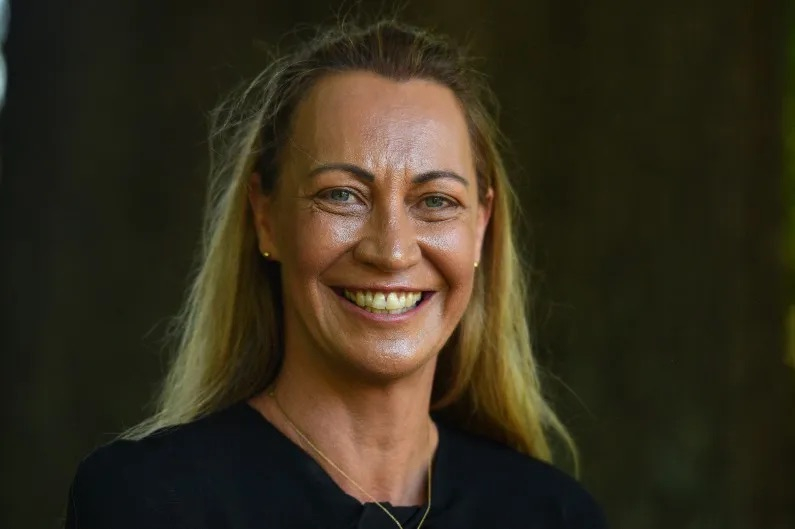
Dr Westerman, who has personally funded the mental health screening tools used to capture the data, said while mental illness has long been established as "causal factor" in the increasing incidence of suicide, the data shows the risk indicators for Aboriginal youth is markedly different.
"The absence of national mental health data has significantly hindered any capacity for early intervention, prevention, and, ultimately, for addressing the gap between Indigenous and non-Indigenous youth suicides which is at four times greater," she said.
"The failure of governments to take this basic action to close this gap for Aboriginal youth is unacceptable and disgraceful. If data like this came out from a non-Indigenous child population, there would be alarm bells ringing throughout this entire country."
Dr Westerman said financial backing from the Paul Ramsay Foundation has allowed Jilya to expand its work so the data can be captured in real time, for the first time in the country, to "ensure we can address risk as it occurs".
"It's not possible to close a gap if you aren't properly measuring it," she said. "The absence of vital data on mental health and suicide behaviours means, despite distressing statistics of child removals, incarcerations, and child suicides, the core causal drivers have remained undefined."
The recent digitising of screening tools, personally developed and funded by Dr Westerman in 2003, has removed access barriers by allowing practitioners to screen at-risk Indigenous youth and adults via digital devices.
"We can now identify where the most vulnerable individuals and communities are that require more urgent responses, allocate funds and resources based on specific risk indicators established for the first time by our research, and, most significantly, we can start to collect robust data that shows the effectiveness of strategies aimed at reducing child removals, incarcerations, and child suicides," she said.
"This technological advancement signifies the prospect of obtaining real-time data for the first time concerning the mental health, suicide behaviours, and cultural resilience of Aboriginal individuals."
13YARN 13 92 76
Aboriginal Counselling Services 0410 539 905



