




Concerns have been raised about the cultural inclusivity of an action plan released by the Tasmanian Aboriginal Centre.
The recently released Nukara Action Plan includes seven priority activities "to enable the progressive transfer of responsibilities to the Tasmanian Aboriginal Centre (TAC)", to represent and work on behalf of Aboriginal people in Tasmania.
Priority areas detailed in the plan include enabling the transfer of lawful authority, establishing robust governance, accountability and data sovereignty, and provide access to culturally safe legal support.
Following its release, the Tasmanian Aboriginal Legal Service (TALS) raised concerns about "several aspects" of the Plan.
TALS chief executive officer Jake Smith said the Plan excludes Aboriginal communities across Tasmania.
"The plan appears to have been developed in isolation without engagement from the many Aboriginal community organisations and service providers across the State," Mr Smith said.
"TALS urges the TAC and the Tasmanian Government to consider the voices of all Aboriginal people in Tasmania, who are connected and supported by the many Aboriginal Community-Controlled Organisations – not just the TAC."
Mr Smith said while he doesn't disagree with some elements of the plan, he believes "there are a number of points that appear to be inaccurate and not inclusive".
They include the Plan's sixth outcome, which aims to "support development of a plan to transition statewide legal supports and advocacy to the Tasmanian Aboriginal Centre".
"In particular, the proposal to transition statewide legal supports to the TAC has been put forward without any engagement with TALS – who currently deliver this vital service," the Palawa man said.

TALS is an Aboriginal Community-Controlled Organisation governed by a board of directors comprised of representatives from five Aboriginal community groups across the state who provide culturally safe legal assistance to Aboriginal people from all communities.
They include the Circular Head Aboriginal Corporation (CHAC), Melaythenner Teeackana Warrana Aboriginal Corporation (MTWAC), Flinders Island Aboriginal Association Inc (FIAAI), and South East Tasmania Aboriginal Corporation (SETAC) and the TAC, as well as others.
Other priority areas in the Plan include establishing the Palawa Children's Future Project: State 2, building the Aboriginal workforce's capacity and capability, establishing Aboriginal child-safe practices, and embedding transformational change.
Mr Smith said the TAC should not be the sole representative voice for Aboriginal communities throughout Tasmania.
"No single organisation can speak for all Aboriginal people in this state - nor should they be expected to," Mr Smith said.
"A diversity of voices strengthens our community's ability to create meaningful, inclusive change."
Since its establishment in 2020 TALS says it has provided culturally safe legal assistance to more people than any previous Aboriginal legal service provider in Tasmania.
Employing Aboriginal staff from many community groups across the state in each of its Hobart, Launceston and Burnie offices, the Aboriginal legal service has supported more than 8,000 clients across various matters in the last 12 months alone.
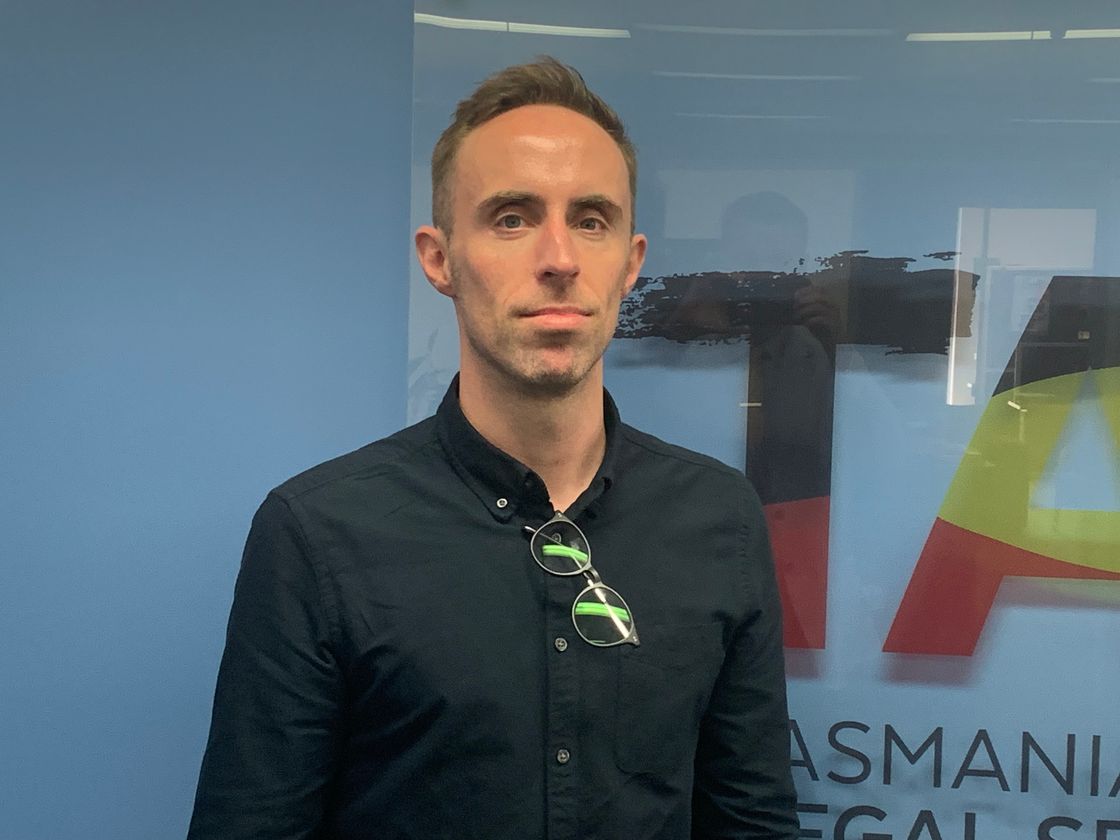
Mr Smith said TALS is disheartened by the TAC's decision to release the Plan without consulting Tasmania's Aboriginal communities.
"We are disappointed that the TAC has released a plan under the guise of being inclusive and representative of all Aboriginal people, without broadly consulting communities, organisations, service providers and individuals this plan would impact," Mr Smith said.
He said TALS is receptive to working with the TAC for the benefit of Tasmania's Aboriginal communities.
"We welcome the opportunity to engage in open dialogue and collaboration with the TAC and work towards outcomes that benefit all Aboriginal people in Tasmania," Mr Smith said.
TALS recently applied to join the Coalition of Peaks alongside the TAC as part of its commitment to the national Closing the Gap agenda.
"We believe our membership will strengthen the impact that can be achieved and the outcomes for our people – particularly in the areas of law and justice, and the related areas," Mr Smith said.
"Tasmania has a long way to go to Close the Gap and we are here to support and improve outcomes for our people."
The Tasmanian Aboriginal Centre did not respond to questions posed by National Indigenous Times.



