




Key points:
- Rising costs are making the work of Indigenous rangers more difficult, sparking a call for greater support
- Indigenous Protected Areas make up more than 54 per cent of Australia's National Reserve System and are managed by Traditional Owners and Indigenous organisations
- Land managers are bracing for a hotter, drier year ahead, likely to ramp up pressure on fire management, conservation and cultural heritage work
Indigenous ranger groups and protected area managers across Australia are urging the federal government to provide practical support, as soaring costs threaten their ability to manage Country.
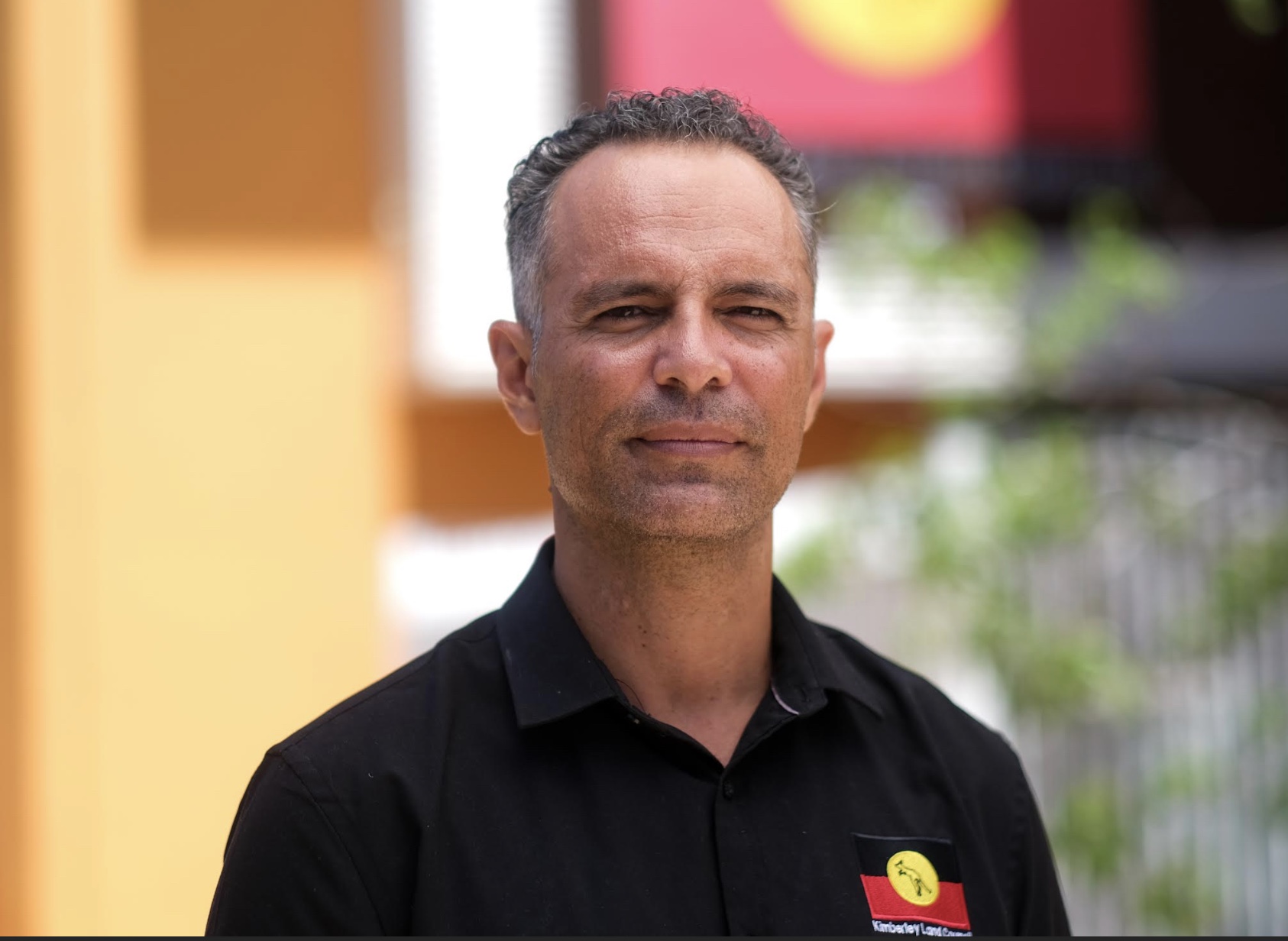
Kimberley Land Council chief executive Tyronne Garstone said ranger groups and Indigenous Protected Area (IPA) organisations in the Kimberley were struggling to secure funding for basic operational needs.
"Kimberley Land Council supports a large range of organisations through our Kimberley Ranger network, including Indigenous Protected Areas," Mr Garstone said.
"Those organisations, and ourselves as a key regional support organisation, typically struggle to get the core needs like buildings, vehicles, equipment and program staff properly funded, particularly in the face of rising costs.
"So, it's key the federal government ensures the ability to directly fund those on-ground needs."
The push is being led by Country Needs People, a non-profit working with more than 51 Indigenous partners to back rangers and protected areas.
Country Needs People echoed Mr Garstone's concerns, saying ranger teams and IPA host groups face mounting pressure as the costs of vehicles, fuel, accommodation, equipment, and staff continue to climb.
The organisation says some groups are struggling to fund basic infrastructure, including 4WDs, boats, and remote accommodation, while some Indigenous Protected Areas lack sufficient rangers to meet management needs.
The warning lands as land managers brace for a hotter, drier year ahead, likely to ramp up pressure on fire management, conservation and cultural heritage work.
Indigenous Protected Areas make up more than 54 per cent of Australia's National Reserve System and are managed by Traditional Owners and Indigenous organisations.
Country Needs People chief executive, Patrick O'Leary, said the scale of those responsibilities meant funding needed to better match what was required on the ground.
"Across both Ranger and IPA programs, we need NIAA to talk to DCCEEW to ensure there is proper coordination of resources into grassroots organisations supporting the practical needs of groups for important land and sea management like Ranger and IPA work," Mr O'Leary said.
The group says the problem is not just how much funding exists, but whether frontline teams in remote and regional communities can actually access it.
Country Needs People chair Bhiamie Williamson, a Euahlayi man, said ranger teams needed practical resources to keep doing their jobs.
"It's challenging times across Australia right now," Mr Williamson said.
"Ranger teams must have access to the practical resources and operational support that allow them to do their jobs.
"This requires the government to meet their commitments and ensure that funding and resources flow to where they need to be, and where the government has promised they would go."
Several Aboriginal organisations across WA and QLD have also backed the call, saying operational costs are placing pressure on their ability to manage Country.
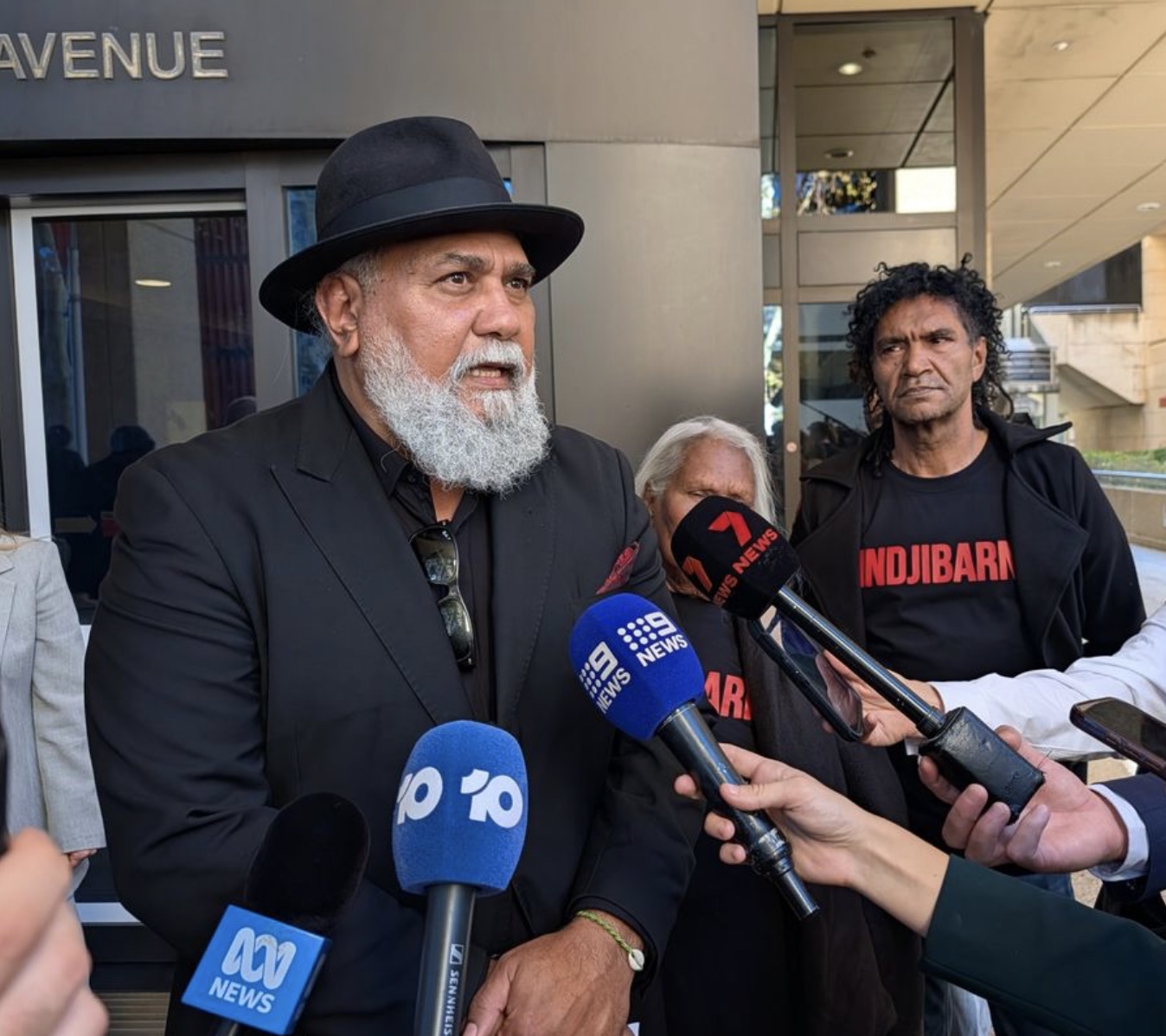
Yindjibarndi Group chief executive, Michael Woodley, said ranger teams and Indigenous Protected Areas were central to sustainable land management in the Pilbara.
"Ranger teams and Indigenous Protected Areas are absolutely key to that, and we need to ensure they're operationally supported," Mr Woodley said.
"We need to be out on Country doing active management."
Kanyirninpa Jukurrpa's Tim Schneider says Martu ranger teams cover vast stretches of remote Country, managing biodiversity, cultural values, fire and feral animals.
"With the escalating costs of living, inflation, fuel, it's putting more pressure on our operational budgets that are already stretched," Mr Schneider said.
"We need to keep funding focused on the practical needs of protecting Country and providing critical employment pathways that our ranger program delivers."



