




Over the past few months, politicians and political parties have made their stance clear when it comes to the Voice to Parliament.
Here is an updated list of where political parties stand when it comes to the Voice to Parliament.
.jpg)
Labor Party
STANCE: Yes
When Prime Minister Anthony Albanese won the 2022 Federal Election, he promised in his victory speech a referendum to decide the Indigenous Voice to Parliament. As such he's followed through on his promise and announced at the Woodwork Folk Festival in December 2022 the referendum would take place within the year.
At the Garma Festival in July 2022, the prime minister said "enshrining a Voice will be a national achievement. It will be above politics."
Minister for Indigenous Australians Linda Burney has also supported the Voice to Parliament previously noting she hoped to see bipartisan support across Parliament on the issue.
In April, she said she hoped voters would agree with the sentiment of the Uluru Dialogue: that this is a movement beyond politics.
"I think people will vote the way they feel they should vote, and we respect that," she said.
"But it is my experience and clear understanding that no matter who you are in this country, you know the plight of Aboriginal people is not right and we put that in front of the people."
Other Indigenous Labor Party members including Senator Jana Stewart, Malarndirri McCarthy, Patrick Dodson and Labor MPs Gordon Reid and Marion Scrymgour have also voiced their support for a Voice to Parliament.
.jfif)
Liberal Party
STANCE: No
Leader of the Liberal party and Opposition Leader Petter Dutton confirmed in April the Liberal Party will campaign "no" against the National Voice to Parliament.
Mr Dutton said he and his party did not believe a constitutionally enshrined national Voice was in the best interest of Indigenous Australians.
"We want to make sure that we can get the best possible outcomes for Indigenous Australians," Mr Dutton claimed.
"We do that through recognising Indigenous Australians in the constitution and by providing for their say, their voice to be heard by government, in a very clear way but at a local level."
His announcement sparked several Liberal Party members to take their own stance and clarify their support on the Voice.
Party Outliers
WA Liberal leader Libby Mettam said she would be voting yes to the Voice in this year's upcoming referendum and Tasmanian premier Jeremy Rockliff, the only Liberal state leader, told The Australian he would campaign for a constitutionally enshrined Aboriginal and Torres Strait Islander Voice to Parliament, "vigorously".
Dutton's announcement on his party's stance also caused former Indigenous Affairs Minister Ken Wyatt to resign from the party.
On his resignation, Mr Wyatt told the West Australian he could not support the Liberal's stance.
"I still believe in the Liberal Party values but I don't believe in what the Liberals have become," Mr Wyatt said.
"Aboriginal people are reaching out to be heard but the Liberals have rejected their invitation."
Following Wyatt's resignation, Shadow Attorney-General and Shadow Minister for Indigenous Australians Julian Leeser quit the Liberal party frontbench over his personal stance on the Voice.
While Leeser said he had many respectful discussions with his fellow party members about the Voice, "it's clear that the shadow cabinet and the party room and I have taken a different position in relation to Voice."
National Party
STANCE: No
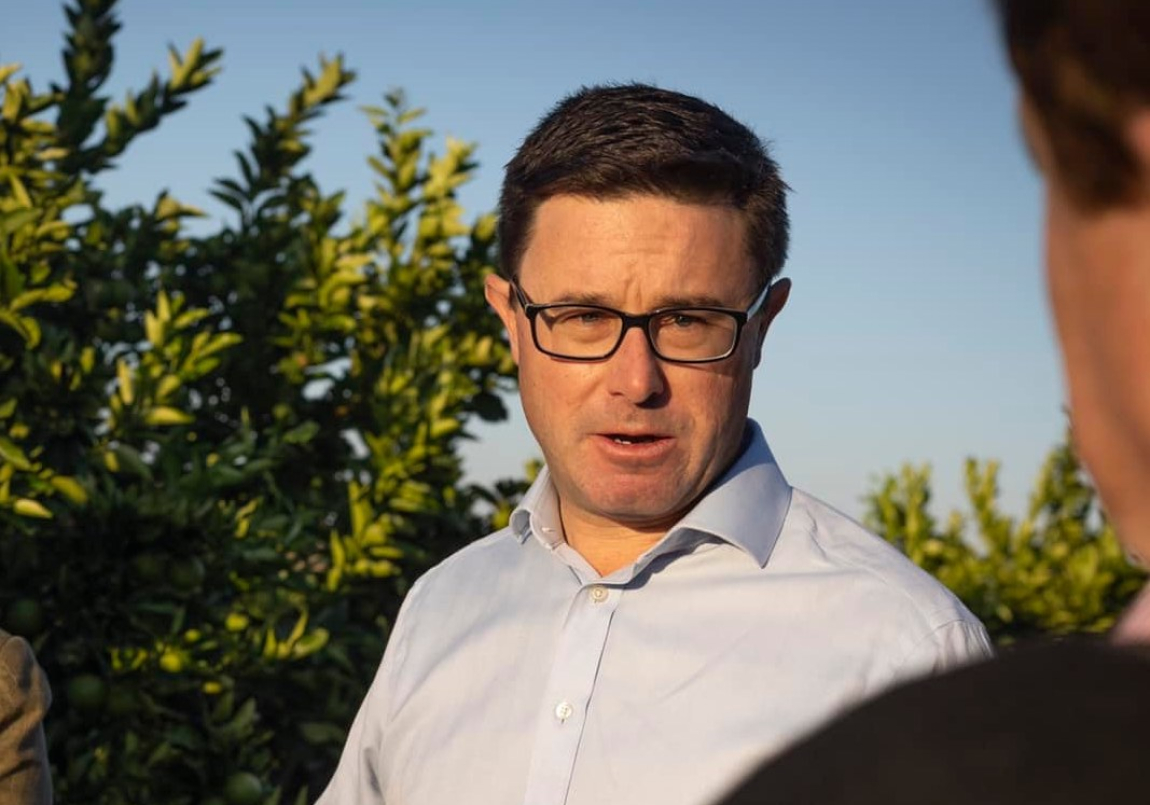
The first party to announce their stance against the Voice in November 2022, Nationals leader David Littleproud said "we don't believe that this will genuinely close the gap".
At the time, Mr Littleproud said his decision was informed by wide consultations with regional communities and key Indigenous voices.
"I've had consultations both with Warren Mundine, but also with Pat Anderson and Professor Megan Davis to make sure that we understood what this was trying to achieve," he said.
"As the men and women who represent regional, rural and remote Indigenous Australians, it was important that we got comfort with the fact that this would close the gap. Unfortunately, we've got to a position where we don't believe that this will genuinely close the gap."
The Nationals' leader said the party believes in "empowering local indigenous communities, giving them the power at a local level, not creating another layer of bureaucracy here in Canberra".
Mr Littleproud also welcomed the Liberal Party stance on the Voice.
Party Outliers
Nationals MP Andrew Gee quit the party in December 2022 because of their opposition to the Voice. He now sits on the crossbench as an independent.
He has also joined Indigenous Australians Minister Linda Burney in regional NSW as the "yes" campaign has kicked off.
Country Liberal Party
STANCE: No
The Country Liberal Party's Central Council formally announced its opposition to the Indigenous Voice to Parliament in February of this year.
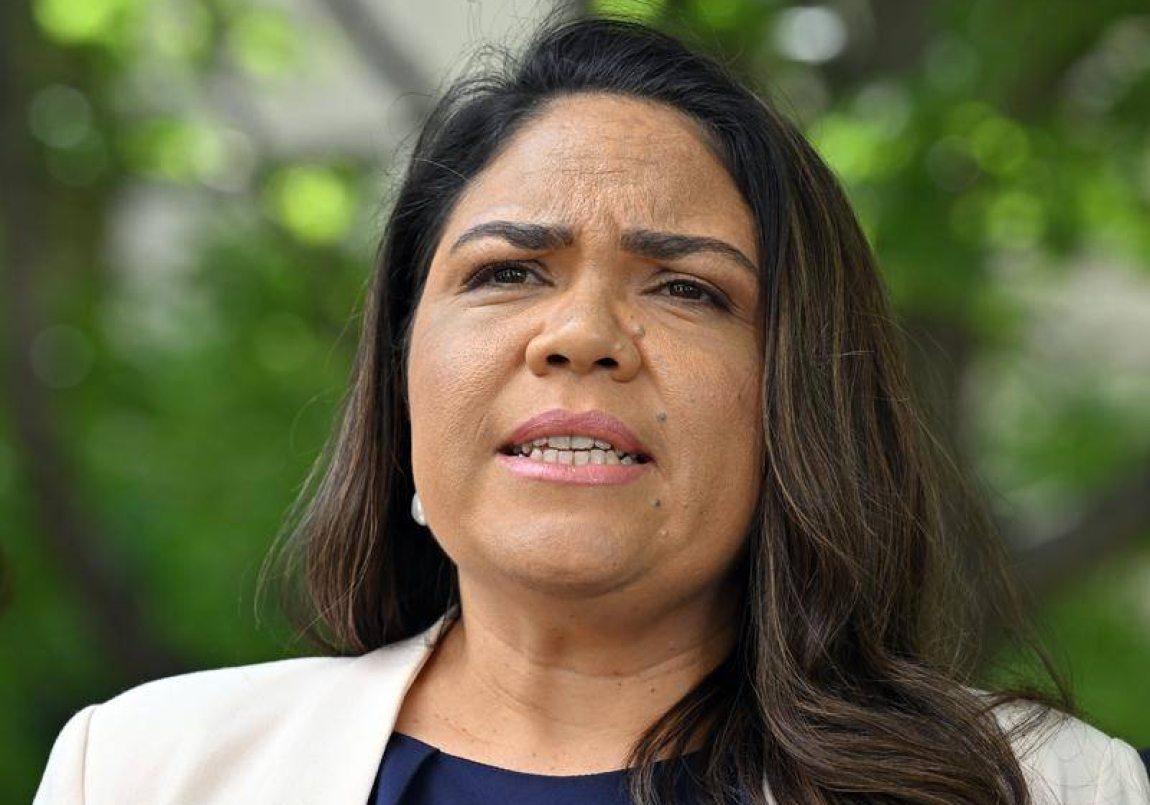
Lone CLP senator in federal parliament, Shadow Minister for Indigenous Australians, Jacinta Nampijinpa Price has long opposed the Voice even prior to her party announcing its stance.
She applauded their decision to oppose the Voice.
"The CLP has sent a clear message that it will fight for an Australia in which all Australians are equal and these motions reflect that," she said.
"Australians do not want racial division written indelibly in our Constitution.The Voice is divisive, it is a dangerous threat to our democracy and it is unfair.
"I am grateful to the members of the CLP who voted to oppose it."
Party Outliers
The president of the NT's Country Liberal Party, Lawson Broad, quit over the party's decision to oppose the Voice.
Broad told Sky News he was on a leave-of-absence due to person and work commitments but since returning he was unable to agree with his party's stance on the matter.
"I was recently on a leave of absence due to personal and work commitments and during that period the party resolved to take several formal policy positions to which I am personally strongly opposed," he said.
"Central to these are its position on the Voice to the Parliament and Treaty and even so far as committing to oppose and repeal any laws that create a self-governing Aboriginal entity within the Northern Territory.
"My personal view is that these positions are offensive to a large number of Aboriginal people in the Northern Territory and the population more generally."
The Greens
STANCE: Yes
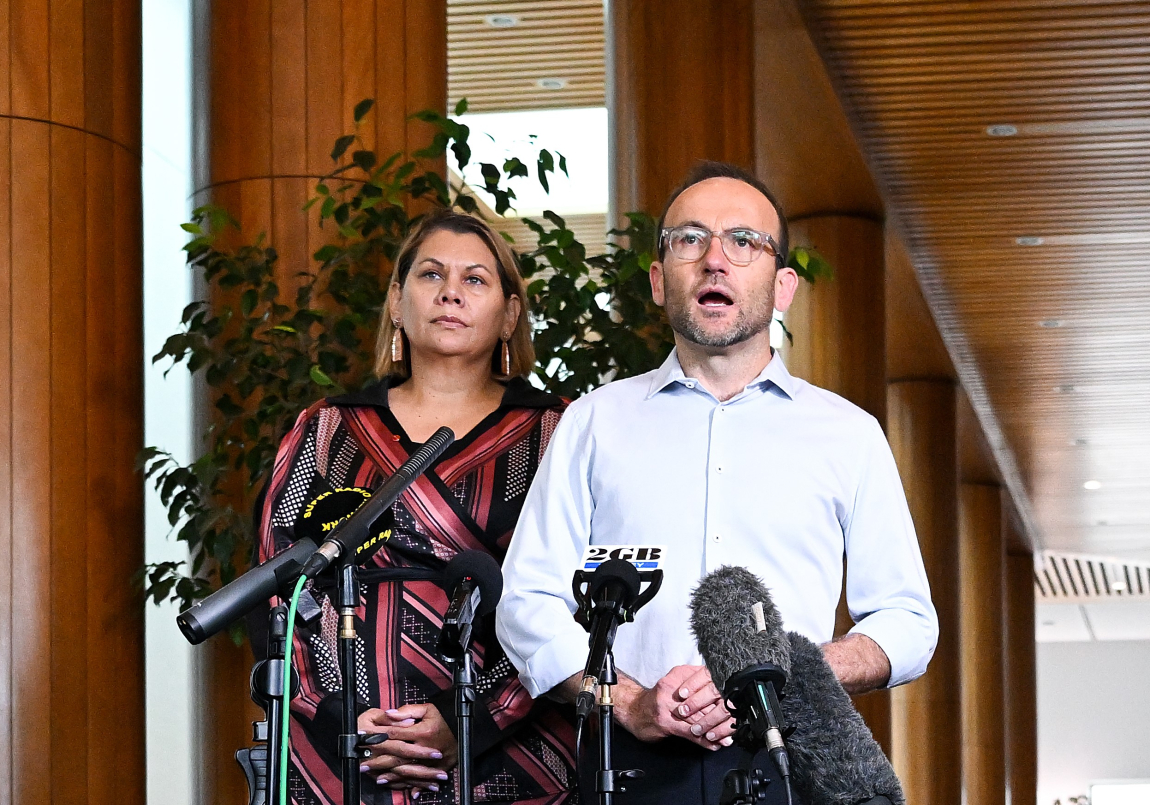
Greens leader Adam Bandt and the Greens officially backed the Voice to Parliament in February 2023.
Before they confirmed their stance, the Greens have had a long history of supporting treaty and a national truth-telling process.
When confirming their stance, Mr Bandt said the Greens "were the first party to support all elements of the Uluru Statement from the Heart and today we reaffirm that commitment".
"Following months of discussion with Labor which resulted in funding for Truth and Treaty and guarantees that First Nations Sovereignty will not be ceded, and after discussion with our party and our own Blak Greens network, the Greens will support the Voice referendum," he said.
"We want the referendum to succeed, we want First Nations justice and we want Truth and Treaty as well as Voice.
"The Greens still strongly believe that a Treaty should come first. We have secured commitments from the government that they will proceed with Truth and Treaty as well as Voice, and we will be holding the government to account on this."
Party Outliers
Victorian Senator Lidia Thorpe quit the Greens prior to party's official announcement on their stance on the Voice.
Now sitting on the crossbench, Senator Thorpe has not formally opposed the Voice but has always been clear on her support in welcoming Sovereignty and Treaty.
When she resigned she said she wanted to see stronger support amongst "grassroots Black sovereign movements" within the country.
"I want to represent that movement fully," she said.
"It has become clear to me that I can't do that from within the Greens.
"Now, I will be able to speak freely, on all issues from a sovereign perspective without being constrained by portfolios and agreed party positions."
Upon Senator Thorpe's resignation, Senator Dorinda Cox took on the role as the party's First Nations spokesperson.



