


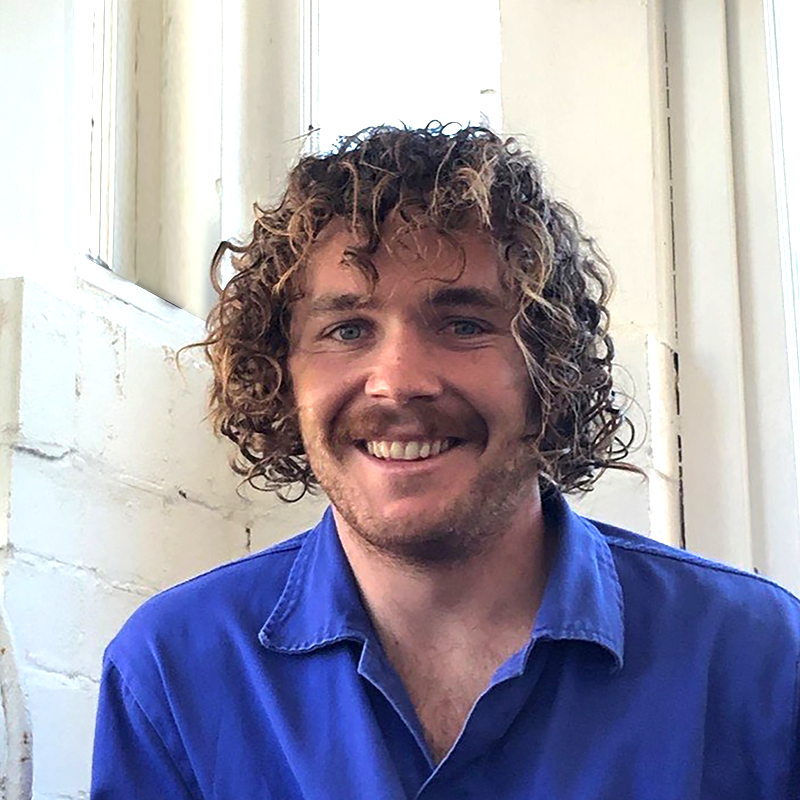

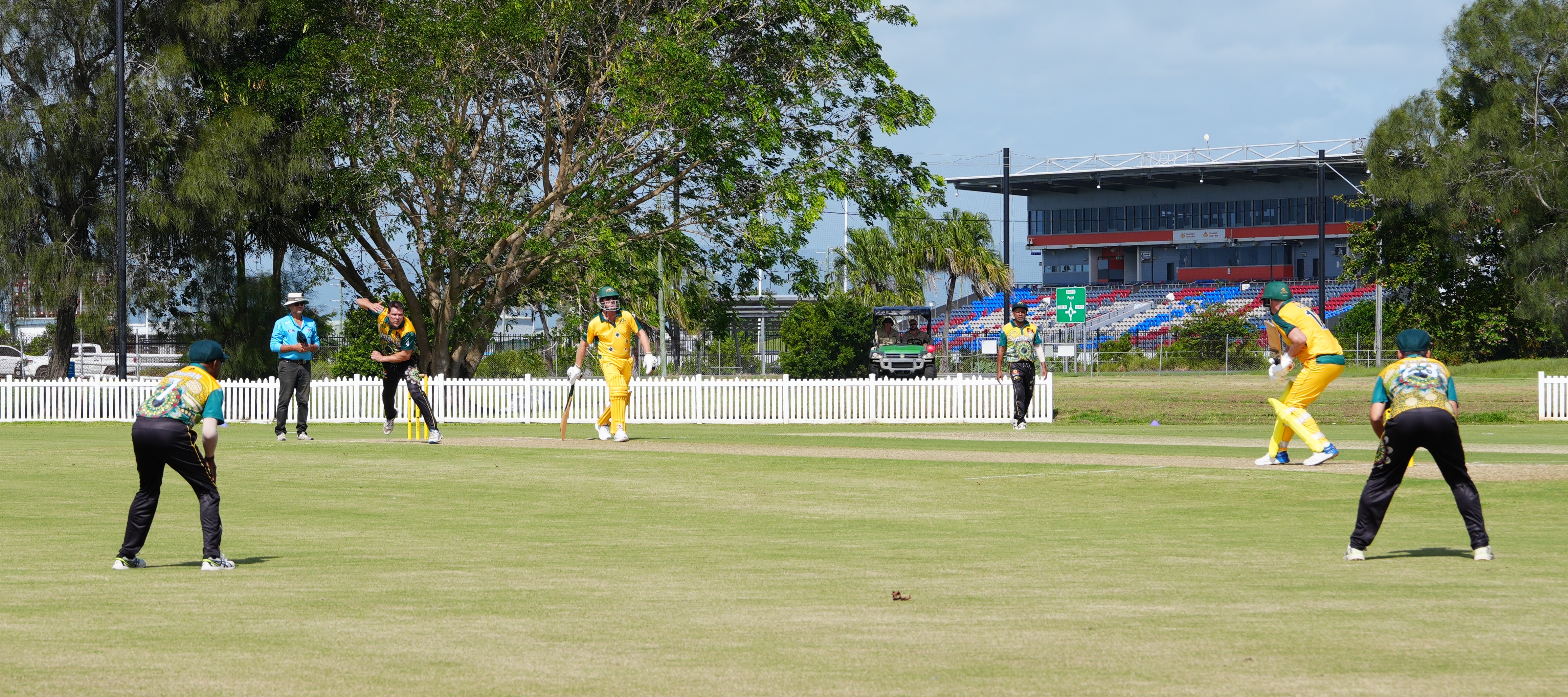
Opening quick Steve Jennings strolled into the crease, hit the deck and delivered more than the national over 50 Aboriginal men's cricket team's first ball on Thursday morning.
For many, it was a realisation of a lifetime in the making.
The inaugural Aboriginal veterans team are currently playing a week-long international tri-series tournament against over 55 Australian and New Zealand outfits on Yuwi Country at Harrup Park in Mackay.
Most have been around the traps, played against one another and formed individual relationships over the years ahead of the squad's confirmation.
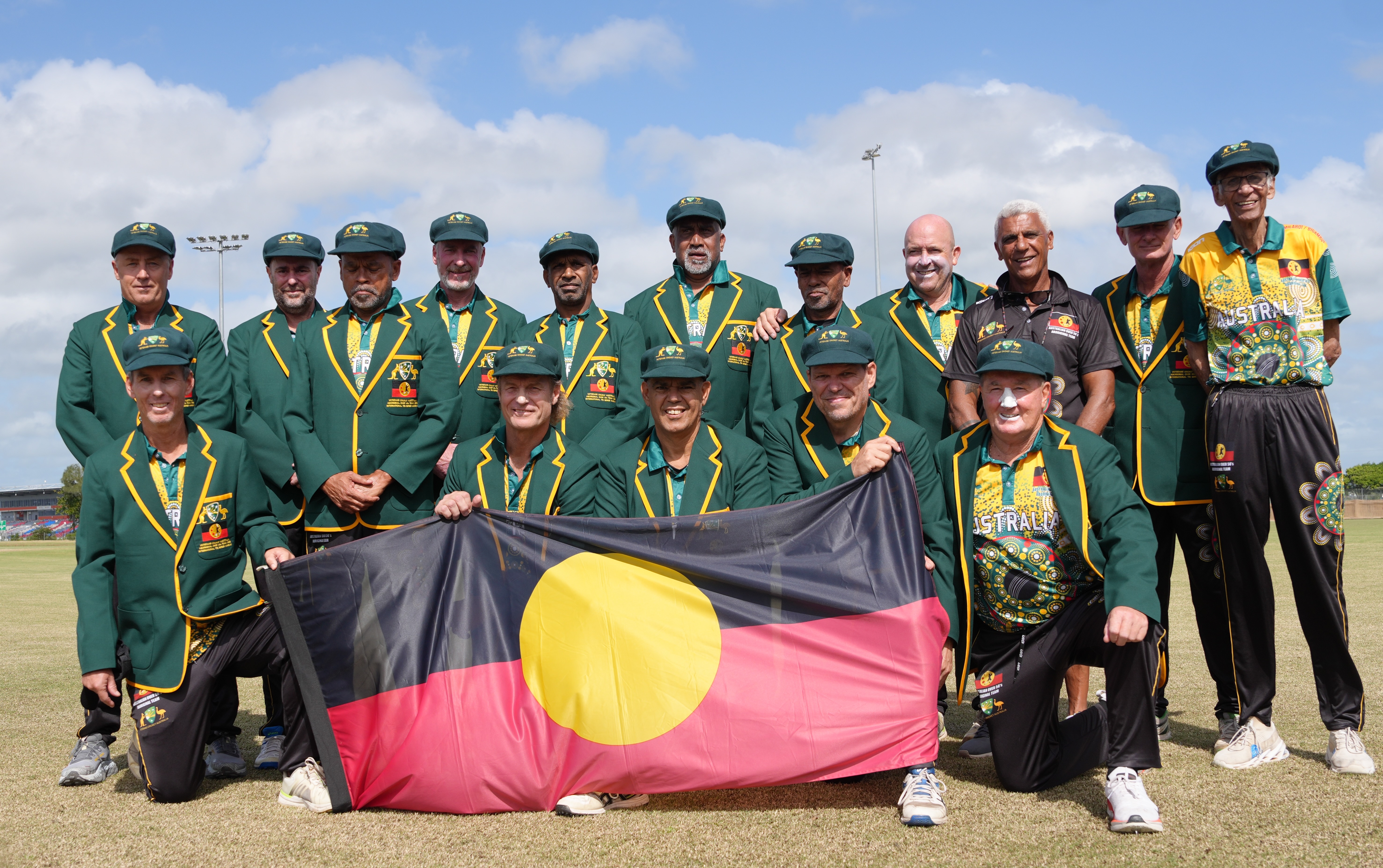
Moree on Gomeroi Country features strongly, amongst varying ties to the northern NSW town, between brothers Les and Percy Raveneau, Alf Newman and vice-captain Darrel Smith, who have all been selected in the side.
"You can't be what you can't see," Smith told National Indigenous Times.
Ahead of their opening match, adorned in team blazers, the group presented each other with their baggy greens.
They shared personal and emotional stories of 'why' they are competing as an Aboriginal veterans XI.
For some it's for their families, others for their teammates they'll compete alongside.
Some proudly admitted they're also doing it for themselves, after a lifetime in love with the game.
As a kid, "cricket was always number one. I really ****ing wanted a baggy green," Jennings said, stood in front of the group.
"I've played cricket since I could walk," he told National Indigenous Times, "cricket's my life and I love it".
For the Gunnaikurnai man, growing up in Melbourne's outer suburbs, "playing sport was tough", copping "ridicule" for his culture until crossing the white line, then expected to the the "hero".
It's the opportunity to be role models for future generations, Jennings said.
"This is our legacy. What we do at our age group is our legacy to lead the younger fellas," he said.
Peter Lee's parents believed he had the ability to reach the highest level or represent Australia in one of his many boyhood sports, if we were to put all his eggs into one.
It wasn't his whole ambition, instead following his passion in sport far and wide.
Now his baggy green is reaching that destination.
Rob Hyatt learned more about his culture through family connections later in life.
He's since played in Victorian Imparja Cup sides and served on the state's cricket Aboriginal Advisory Committee.
"Going back to early 2000s, a lot of my passion has been about our people playing the sport...not just developing through the sport as young people, but staying in the game," the Wotjobaluk and Gunnaikurnai man said.
"We're also starting to get the cricket community, and that's the broader cricket community, to understand the skills and the culture that we bring to the sport, which can only enhance the sport itself.
"Now having an over 50s team…I think [we are] leading the way to show that we can still play the sport as we get older.
"It means a lot to us as a group of men coming together to not only share our culture, but share our stories - even talk about men's health, physical, mental and spiritual wellbeing."
The Australian over 55s side got the win on Thursday.
Matthew Drain hit an unbeaten 113 to help set up a competetive 269 run total against the Indigenous debutants.
Percy Raveneau top-scored for the Aboriginal veteran side in response with a near run-a-ball 67.
He's been playing since he could hold a cricket bat, and catch a ball, he told National Indigenous Times.
"And we're still playing today".
Raveneau wants to see more veterans cricket with Aboriginal sides - not just for the on-field stuff, but the camaraderie and catch ups which come with it.
Les Knox is going on fifty years, not just playing, as a devoted figure in advocating and exposing Indigenous people to and within the game.
In 1998 he helped manage an Aboriginal side tour England - 120 years on from the iconic 1868 touring side who pioneered Australian sporting teams leaving their shore - a team which featured his fellow selector for the current veteran team in Greg James.
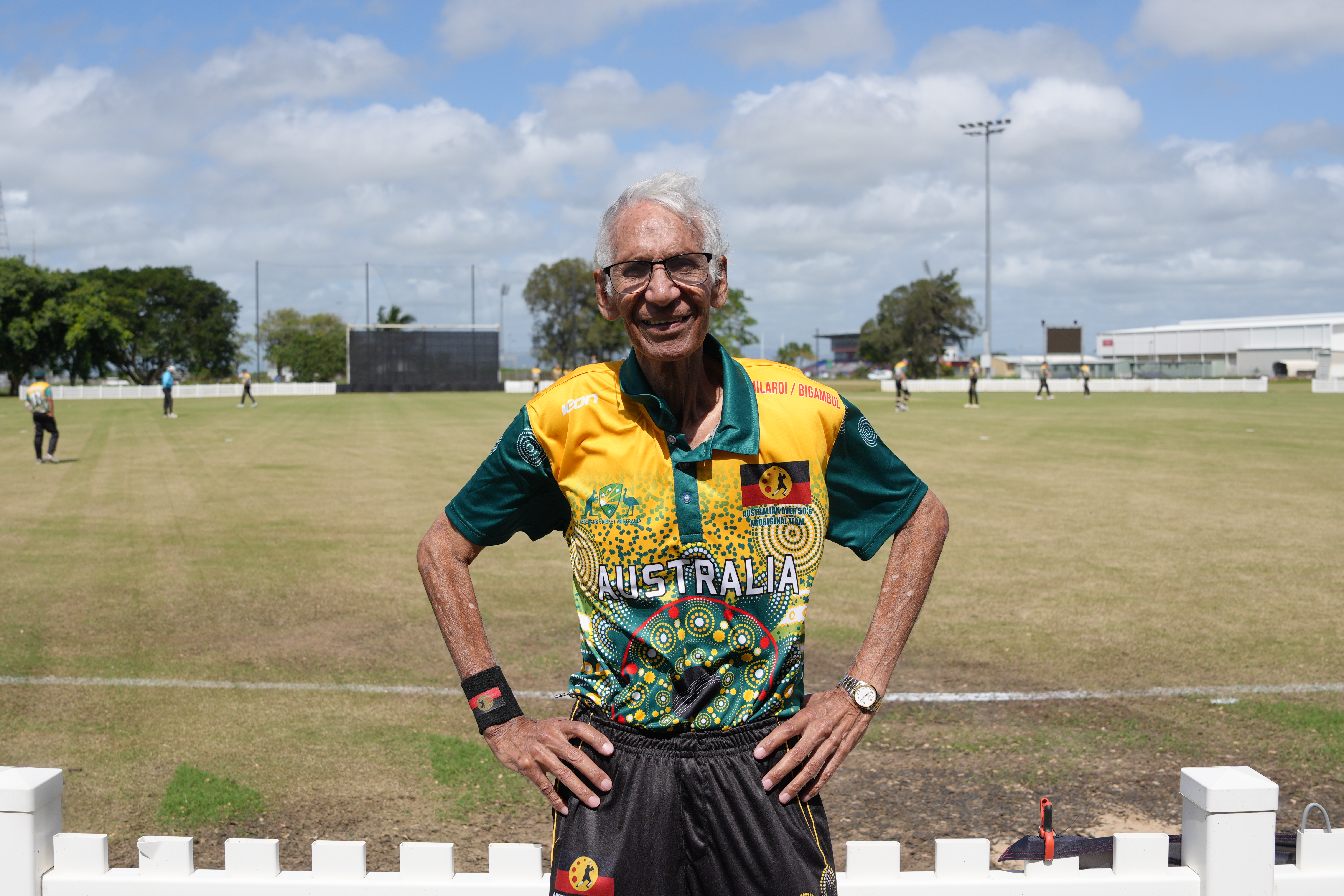
Uncle Les, 75, played a hand in the first Imparja Cup through the 1990s and organised various Indigenous teams and player development since his days playing Sydney Grade cricket during his younger years.
Decades ago, he said at the cap presentation, he dreamt of seeing First Nations cricketers in the national Test team.
Faith Thomas is recognised as the first Indigenous woman to represent Australia in any sport for her Test against England in 1958.
Jason Gillespie followed in the 1990s and early 2000s, alongside current players Ash Gardner and Scott Boland.
"Something like this gives something for the older people and aim to encourage the younger ones to start getting involved, and stay involved, in cricket ....travelling away, meeting new friends and still playing," Uncle Les said.
His co-manager, Greg James, said he sees it as a chance of being an example, to be play a nurturing role and encouragement role for future generations.
At Wednesday's cap presentation he told they playing group their "responsibility" extends beyonds themselves, but to their ancestors who "fought like bloody hell" for recognition during their lives.
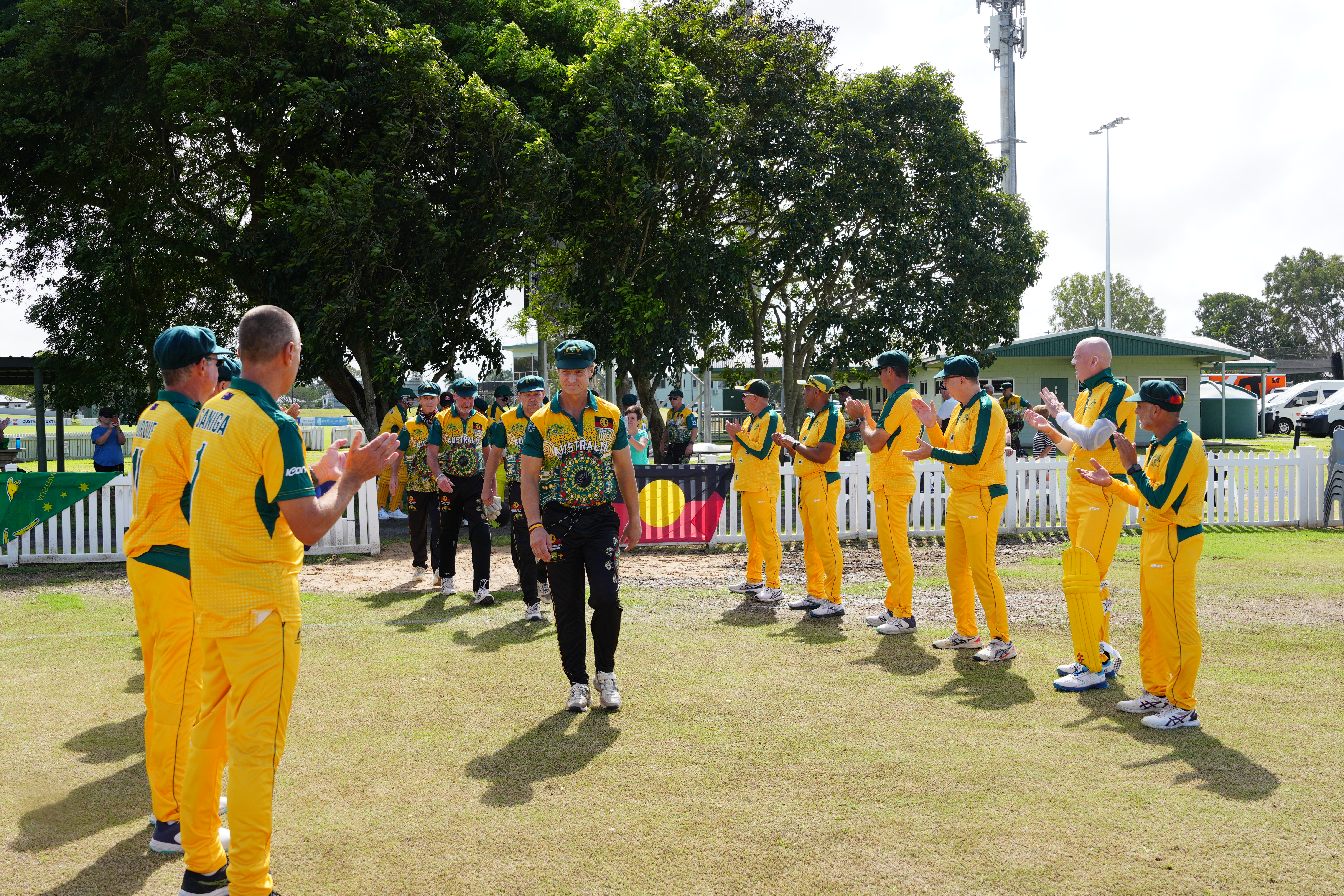
Skipper and Bidjarra man Matt Lewis said of the countless fixtures Australian men's and women's sides have played across all formats for what is soon to be 150 years, Aboriginal sides are yet to play 150 altogether.
"It's time it was put into the limelight," Lewis said.
"And that's what we're trying to do here - be positive role models for younger generations, but also putting a spin on Aboriginal Health."
The Aboriginal veterans team play New Zealand on Saturday ahead of second games against both opposition teams and top-qualifier final on Wednesday.



