



More than 20 Stolen Generations organisations from across Australia have gathered in Adelaide on Kaurna Country this week to discuss survivor support, intergenerational healing and the future of services ahead of the 30th anniversary of the Bringing Them Home report.
Hosted by the Healing Foundation, The Gathering 2026 brings together community-controlled and survivor-led organisations to share knowledge and discuss challenges facing survivors and their descendants.
The program focuses on health and ageing, access to records, redress equity, truth-telling, and intergenerational healing.
It is an "open, safe space," according to newly appointed Healing Foundation Chair John Patterson.
It is not whacking governments over the head, the Ngalakan man tells National Indigenous Times, but instead showing people that "this is a real story; these are the facts".
The Healing Foundation Acting CEO Leonie Williamson said the gathering in Adelaide this week demonstrated the strength of organisations that had supported survivors for decades.
"The community trust and local knowledge Stolen Generations organisations hold make them uniquely placed to respond to Stolen Generations survivors," Ms Williamson said in a statement.
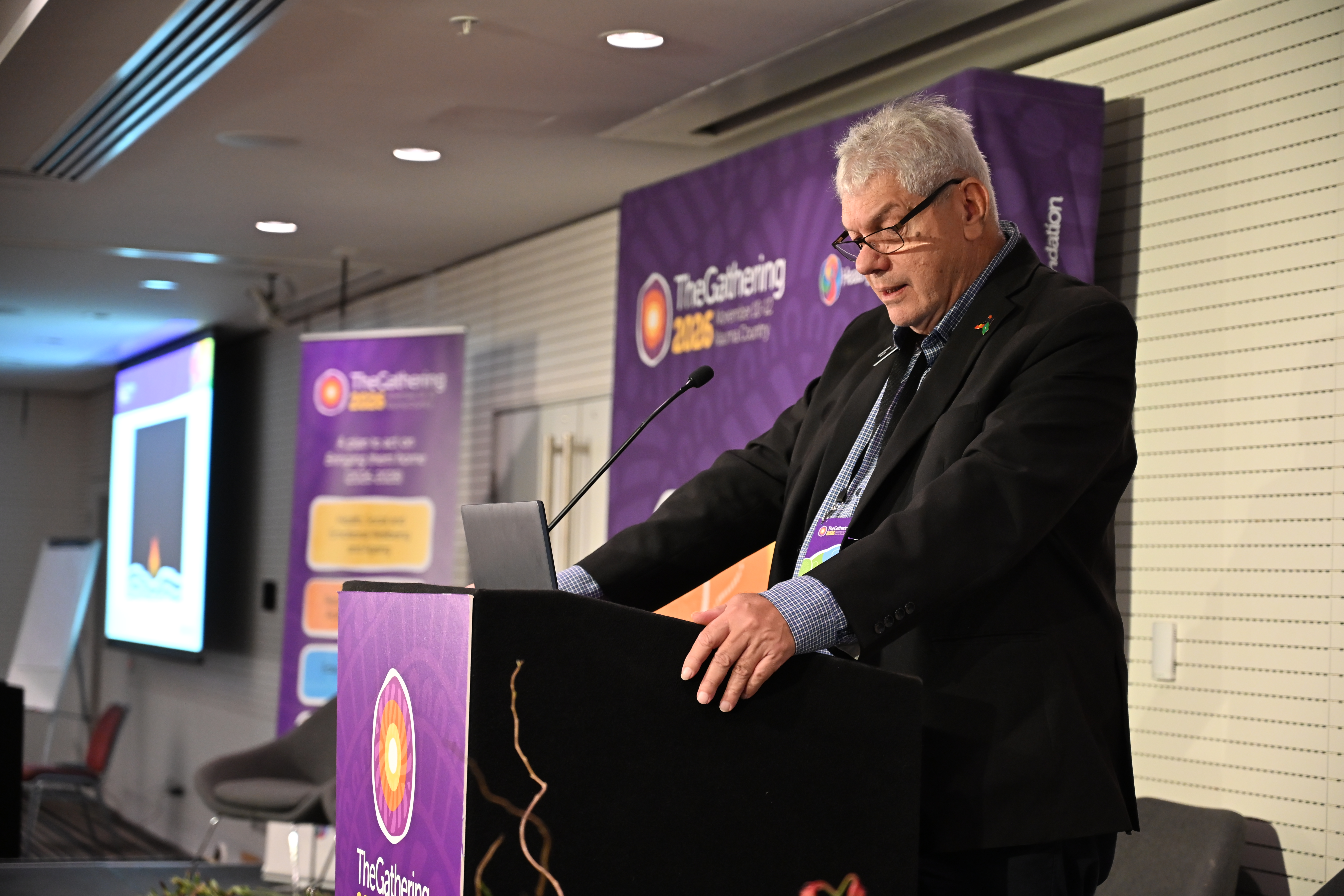
Over the three days, local survivor histories, sector leadership, truth-telling and advocacy achievements are interspersed with workshops, contemporary evidence on survivor and descendant experiences, and discussions about the future ahead of next year's 30th anniversary of the Bringing Them Home report.
Released in 1997, the 680-page report traced the laws and policies that led to the forced removal of Aboriginal children, finding that between one in three and one in 10 Indigenous children were taken from their families and communities between 1910 and 1970.
It made 83 recommendations to support healing and reconciliation for the Stolen Generations, their families and the broader Australian community.
29 years on, only five have been fully implemented.
"It's not good news on that front," Dr Patterson says.
"That anniversary is going to provide an opportunity for the survivors and all of us that work in that space to come together and assess."
Across the country, there are estimated to be more than 23,300 survivors aged over 50, with a third aged 65 and older.
Survivors are 2.7 times as likely to have severe or profound disability and 1.9 times as likely to report high psychological distress as other Aboriginal and Torres Strait Islander people, according to Australian Institute of Health and Welfare data.
One thing is clear, Dr Patterson says: "Governments need to step up."
"They have to show the appropriate political leadership here."
Over the next six to twelve months, the Healing Foundation will host a number of forums with survivor organisations and link-up services to discuss what the short- and medium-term future looks like for survivors.
"What does that future look like? Dr Patterson asks. "What is the remit and the role and responsibility for the Healing Foundation?"
Stolen Generation organisations provide support through camps, yarning circles and cultural workshops aimed at reducing isolation, as well as mentoring programs connecting Elders and young people. They also undertake truth-telling and oral history preservation to strengthen community understanding.
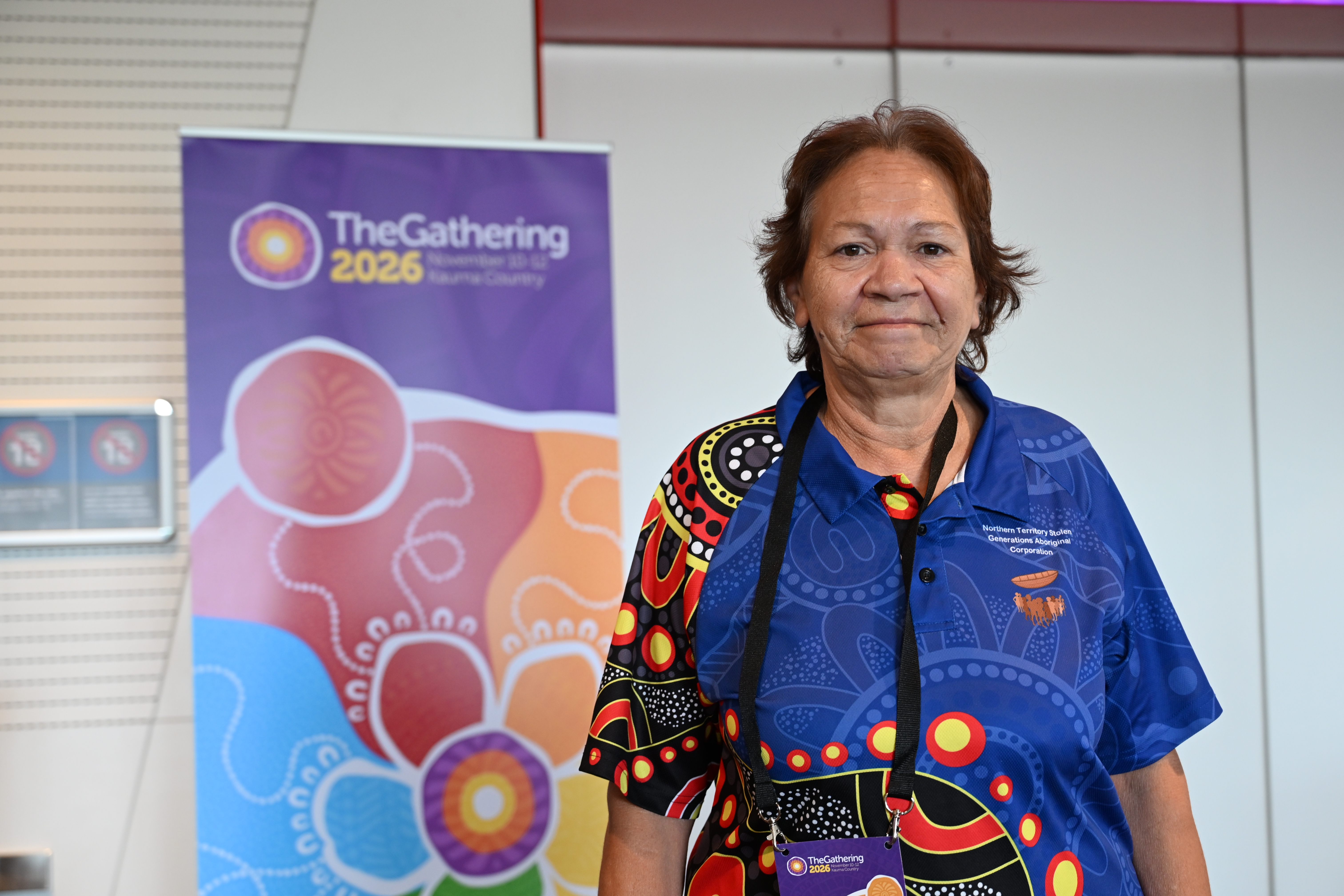
Chief executive of the Northern Territory Stolen Generations Aboriginal Corporation Raelene Rosas says Stolen Generations survivors should be a sector "on its own", rather than having to navigate numerous government departments that are often competing for funds.
Speaking from Adelaide on Tuesday, she argues many survivor and link-up services are performing additional work for which they are not funded.
"We're doing a lot of the one percenters that governments don't realise that we do," Ms Rosas tells National Indigenous Times. "Because that is something that our survivors and descendants are asking us to do."
Working in the reunification and link-up space — a key recommendation from the Bringing Them Home report — she says the evidence is clear: 30 years on, "Are they waiting for us to die?"
"These things need to be at the forefront when you talk about funding to our sector," she says.
It is also vitally important for the next generations. The ongoing repercussions of forced removals continue to affect survivors and their descendants, with around half of Aboriginal and Torres Strait Islander adults being descendants of the Stolen Generations.
Descendants face greater challenges in social and emotional wellbeing, physical health and care needs, according to the AIHW analysis.
"I didn't know my biological family — my grandmother and her siblings — until I was 7 or 8," Ms Rosas says. "You know, my mother never met her mother until she was 20. She was forcibly removed.
"My grandchildren, my great-grandchildren...we're still educating them about what actually happened in the past. And who they're actually related to and where they actually come from.
"All we need is to be listened to. We know what the solutions are; we know the narrative has to change."



