


A new book by Professor Eddie Cubillo - Defending the defenceless: Indigenous self-determination and legal services in Australia - explores the complex relationship between Indigenous self-determination, Australia's justice system and government control.
Professor Cubillo is a Larrakia, Wadjigan and Central Arrernte man and Director of The Mabo Centre, Melbourne Law School, University of Melbourne. Below is an extract from Defending the defenceless, republished here with his permission.
Aboriginal and Torres Strait Islander Legal Services (ATSILS) were established for two central reasons: first, the lack of legal representation for Indigenous people in the criminal justice system; and second, widespread concerns about discriminatory and brutal policing of Indigenous communities.
While the majority of the work of ATSILS originated in and continues to be in criminal law, they play an integral role in policy and law reform, outreach (including in prisons and Indigenous communities), as well as in civil matters (such as child protection, tenancy and housing, and discrimination and police complaints).
Early Aboriginal Legal Service (ALS) team members including Gary Williams, Lyn Craigie, Alan Cameron, Gary Foley, Louisa Williams, Ann Weldon and Billy Craigie stand in front of the office in Redfern in 1974. Picture: Courtesy of the National Archives of Australia
ATSILS provide legal aid in all states and territories, working to divert Indigenous people away from the justice system through a culturally unique, multilayered and holistic approach.
Research shows that, through this approach, ATSILS have significantly contributed to reducing Indigenous over-representation in prisons.
They have been driven to champion Aboriginal rights, and develop - for themselves - self-determination and empowerment objectives in one of the toughest terrains for Indigenous people in Australia: the justice sector.
It is well documented that Aboriginal and Torres Strait Islander people are the most over-incarcerated in the world.
In Australia, Indigenous men are imprisoned at seventeen times the rate of the general male population, Indigenous women are imprisoned at twenty-five times the rate of the general female population and Indigenous youth are imprisoned at twenty-seven times the rate of non-Indigenous youth.
Similar levels of Indigenous over-representation pervade the child protection system.
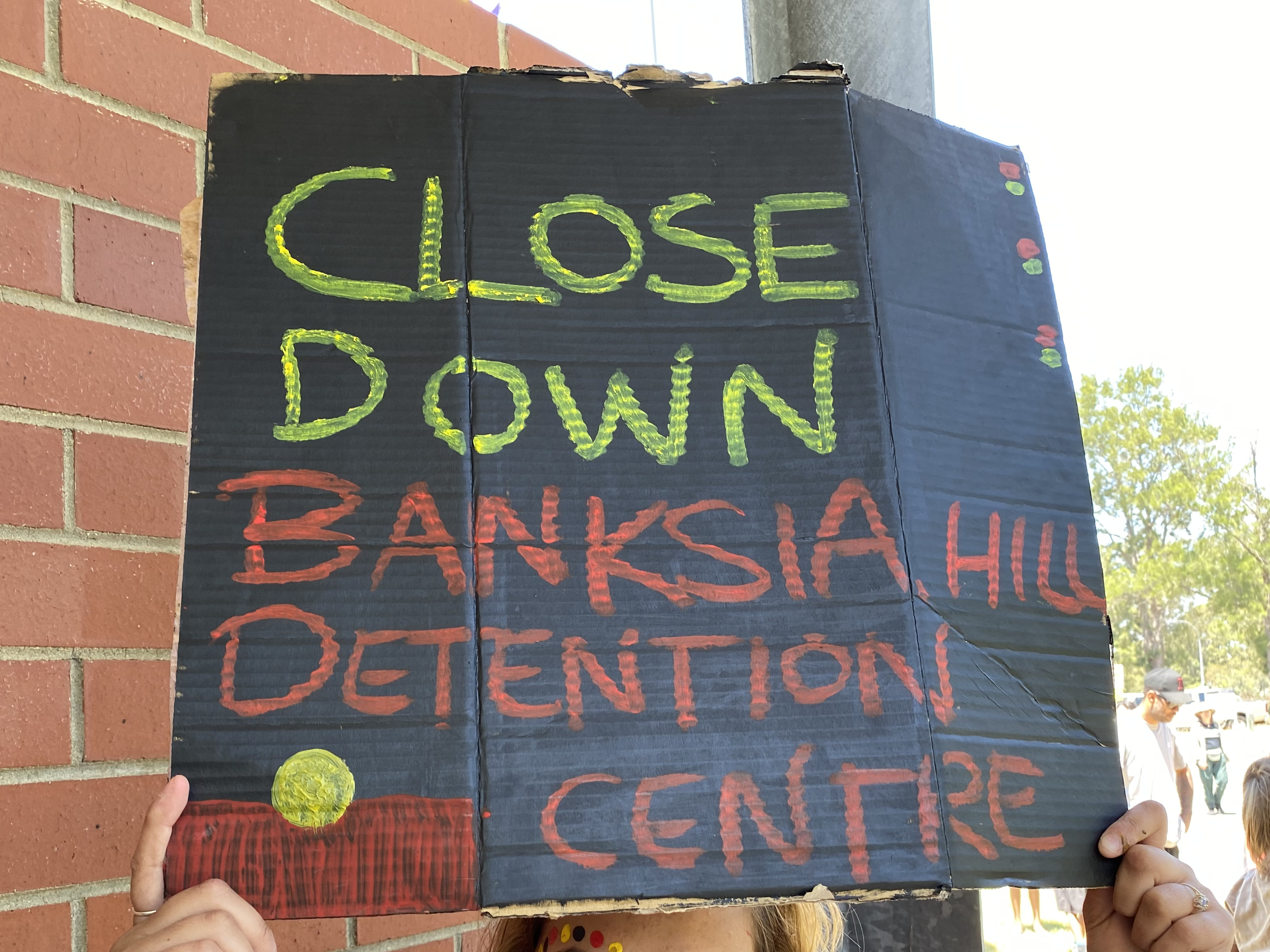
As an Indigenous person with experience working in the justice system, it is clear to me that the justice sector is a thriving bastion of colonialism in this country.
While there are 'outposts' of work being done to support and advocate for better outcomes for Indigenous peoples, these remain exceptions.
The justice sector as a whole continues to lack a genuine commitment to recognising and dismantling its deep-rooted colonial values.
The disproportionate numbers of Indigenous people in our judicial and correctional systems reinforce the huge and growing need for directed, culturally sensitive and specific legal representation for Indigenous Australians, such as that provided by the ATSILS.
Self-determination is fundamental to successful cultural Indigenous justice outcomes. It is in recognition of this that ATSILS evolved to deliver effective and culturally competent legal assistance services to Aboriginal and Torres Strait Islander peoples.
According to the corporate publications of National Aboriginal and Torres Strait Islander Legal Services (NATSILS, the peak body for ATSILS), ATSILS bring together over fifty years of experience in the provision of legal advice, assistance, representation, community legal education, advocacy, law reform activities and prisoner through-care to Aboriginal and Torres Strait Islander peoples in contact with the justice system.
While ATSILS claim that they are the experts and most suited to their roles, they are routinely questioned about whether they are best placed to deliver such services to Indigenous peoples.
There has been a considerable volume of writing on Indigenous self-determination in general, including in the justice arena; however, there has not been much specifically written on ATSILS.
While there is limited literature specifically examining self-determination within ATSILS, strong analogies can be drawn from research across multiple jurisdictions to understand why self-determination is central to achieving just outcomes for Indigenous peoples in the justice system.
A majority of authors have argued that the justice system in Australia is failing, that this failure is systemic, and that it reflects a profound legitimation crisis - where the institutions of justice no longer command credibility or trust, particularly among Indigenous communities.

My hypothesis is that self-determination is fundamental to successful cultural Indigenous justice outcomes.
The question is whether ATSILS are able to have self-determination in the current climate of government control in the justice arena, particularly legal services.
Since the demise of the Aboriginal and Torres Strait Islander Commission (ATSIC) and the associated end of self-determination policy, it may be asked whether Indigenous people and their organisations need to develop hybrid systems, which retain cultural legitimacy while accommodating the demands of settler organisational structures, to survive.
There's reflection on what a self-determining ATSILS should look like, and what it might achieve. Their stories provide a narrative that examines and reflects on where ATSILS have come from, what a self-determining ATSILS should look like, and what it might achieve.
While there have been numerous reports providing evidence of the worth of ATSILS over the decades, none have showcased the government's recklessness in ignoring such evidence.
Given that statistics clearly show the ongoing over-representation of Indigenous peoples in all facets of the justice system, it can be surmised that the Australian way of doing things is not working.
In light of this, the justice sector and governments need to reassess their approach. They need to look inward and accept some hard truths about themselves along with the political sector of this country.
ATSILS are currently engaged in a critical process of self-reflection, examining their cultural legitimacy and identity.
As essential service providers to their communities, it is imperative that they define, in their own terms, who they are, whom they serve, and how they navigate the complex intersections of community, business and politics.
This process must be community led and deeply inclusive, ensuring that the voices of those they represent are central to any decisions made.
It cannot be rushed to align with government timelines - history has shown that externally imposed urgency often leads to outcomes that are detrimental to Indigenous communities.
ATSILS were established to advocate for the rights of Aboriginal and Torres Strait Islander peoples, and at a time when Indigenous Australians remain disproportionately represented across all aspects of the justice system - more than ever before - their role is both vital and urgent.
Professor Eddie Cubillo's new book, Defending the defenceless: Indigenous self-determination and legal services in Australia is published by Melbourne University Publishing and is available to buy in store and online.
This extract was first published by the University of Melbourne online.



