




Advocates and legal groups have welcomed a new national strategy to end violence against First Nations women and children, but say long-term funding is needed, as the Coalition raises concerns that key Closing the Gap data on family violence remains unavailable.
On Tuesday, the federal government announced more than $200 million in funding alongside the launch of Our Ways - Strong Ways - Our Voices: National Aboriginal and Torres Strait Islander Plan to End Family, Domestic and Sexual Violence 2026-2036.
National data shows Indigenous women are seven times more likely to be victims of intimate partner homicide and 27 times more likely to be hospitalised due to family violence than non-Indigenous women, increasing to 41 times more likely in regional and very remote areas.
Queensland Indigenous Family Violence Legal Service (QIFVLS) chief executive Wynetta Dewis, who served on the steering committee that helped shape the plan, said she is "proud of genuine collaboration" that informed the strategy, which "reflects the leadership, knowledge and lived experience of First Nations communities".
"I'm proud of [the] genuine collaboration that has shaped this plan — one that centres culture, community-led solutions and shared responsibility for safety," she said. "This is an important step toward safer futures for our people."
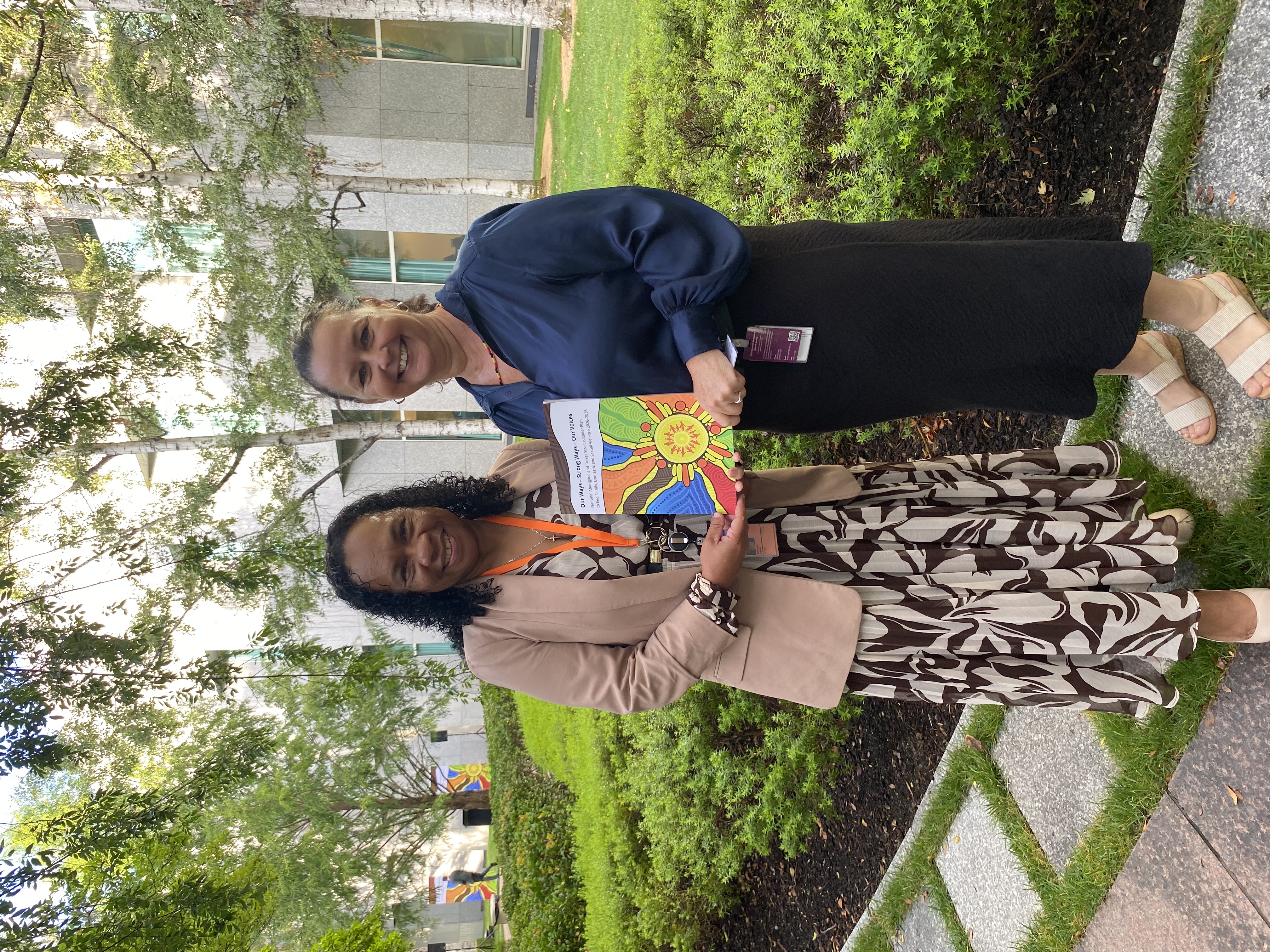
The 10-year plan covers policing, justice, child protection and frontline services. It was developed in partnership with Aboriginal and Torres Strait Islander communities and has been endorsed by all states and territories.
First Nations Advocates Against Family Violence (FNAAFV) also welcomed the announcement, describing it as a landmark moment for communities nationwide.
"As the national specialist peak body representing the Family Violence Prevention and Legal Services (FVPLS) sector, FNAAFV has continuously advocated for such a plan and is pleased to have contributed to its development, ensuring specialist frontline experience and community voices shaped its direction," FNAAFV chief executive Kerry Staines said.
Operating alongside the National Plan to End Violence against Women and Children, released in 2022, the new funding will support up to 40 Aboriginal Community-Controlled Organisations (ACCOs) to deliver specialist, community-led services.
These include mobile crisis response teams, assistance for people leaving violent situations, ongoing post-separation support, therapeutic care, and behaviour change and outreach programs for men and boys.
Both QIFVLS and FNAAFV supported the investment but stressed that sustained funding is essential to maintain and strengthen services.
"Our call now is for immediate and sustained government action to ensure the plan's success. Long-term funding, strong accountability, and genuine partnership will determine this plan's impact," Ms Staines said.
"We have the answers, but our services are stretched. Investment must match the scale and urgency of the challenge to allow the FVPLS sector to continue to play its part in ensuring the safety of our mob.Communities cannot wait another decade for change."
.png)
Shadow Minister for Indigenous Australians Kerrynne Liddle said the plan's release is "welcome" but argued key Closing the Gap indicators are deteriorating. She noted the family violence measure "remains void of data on which to assess progress" and said this should be a government priority.
Whilst Target 13 of Closing the Gap calls for the rate of all forms of family violence and abuse against Aboriginal women and children to be reduced by at least 50 per cent by 2031, there has been no data update since 2018/19.
The South Australian Senator said efforts must focus on the "local level and on frontline service delivery needs".
"The stand-alone plan began under a Coalition Government and was finally delivered by Labor nearly four years later. It is fair to say that those experiencing domestic and family violence would say it has taken far too long," Senator Liddle said.
"This plan talks about a strategy that remains unfinished. The Coalition is focused on the challenges for frontline services where impact matters most, and on ensuring those services funded to turn the dial, are delivering outcomes as intended."
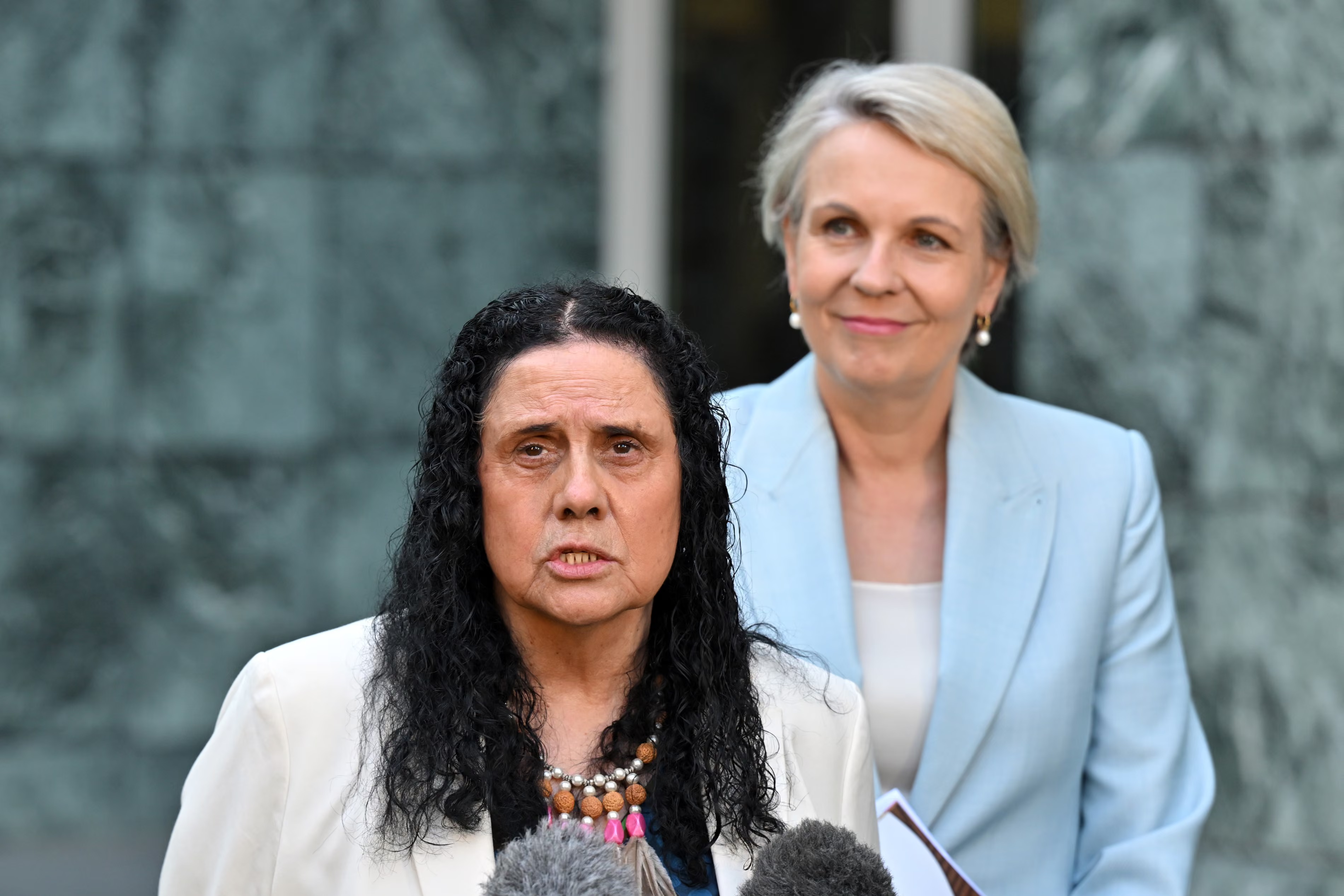
The plan is structured around five priorities. It centres Indigenous voice, agency and self-determination, supports strengths-based and culturally grounded approaches led by First Nations organisations, and calls for reform across systems that affect safety, including justice, health, housing, education, disability, family services and child protection.
It also seeks to strengthen evidence, research and data through Indigenous Data Sovereignty and highlights stable housing and financial security as key foundations for breaking cycles of violence.
Speaking to reporters on Tuesday, Aunty Muriel Bamblett, a Yorta Yorta, Dja Dja Wurrung, Taungurung and Boon Wurrung elder and co-chair of the plan's steering committee said the court and justice systems fail to protect women.
"There's a lot of money that goes to mainstream organisations where there's no accountability," she said.
"So we really do need to have Aboriginal people at the forefront. I work in child welfare, 72 per cent of Aboriginal children come into care because of family violence. Now that's too many children coming into care because we can't address family violence."
1800 RESPECT (1800 737 732)
Lifeline 13 11 14
Men's Referral Service 1300 766 491
13YARN 13 92 76



