



He's an All Australian, two-time best and fairest, member of the Indigenous team of the Century and decorated coach in his home town, but Michael 'Magic' McLean had to come around to the idea of joining the list of names amongst Sir Doug Nicholls Round honourees.
When the AFL's annual recognition of First Nations players, culture and history arrives each year, it comes with a feeling of envy, the Northern Territory footy great said, because it wasn't around during his career.
In 2026 it will be celebrated in his honour.
When 'Magic' hopped off the plane from Darwin at Tullamarine on his way to Footscray ahead of the 1983 season, he'd never met a Bulldogs official.
He was also bucking the usual trend of territory talent being lured to South Australia or Western Australia.
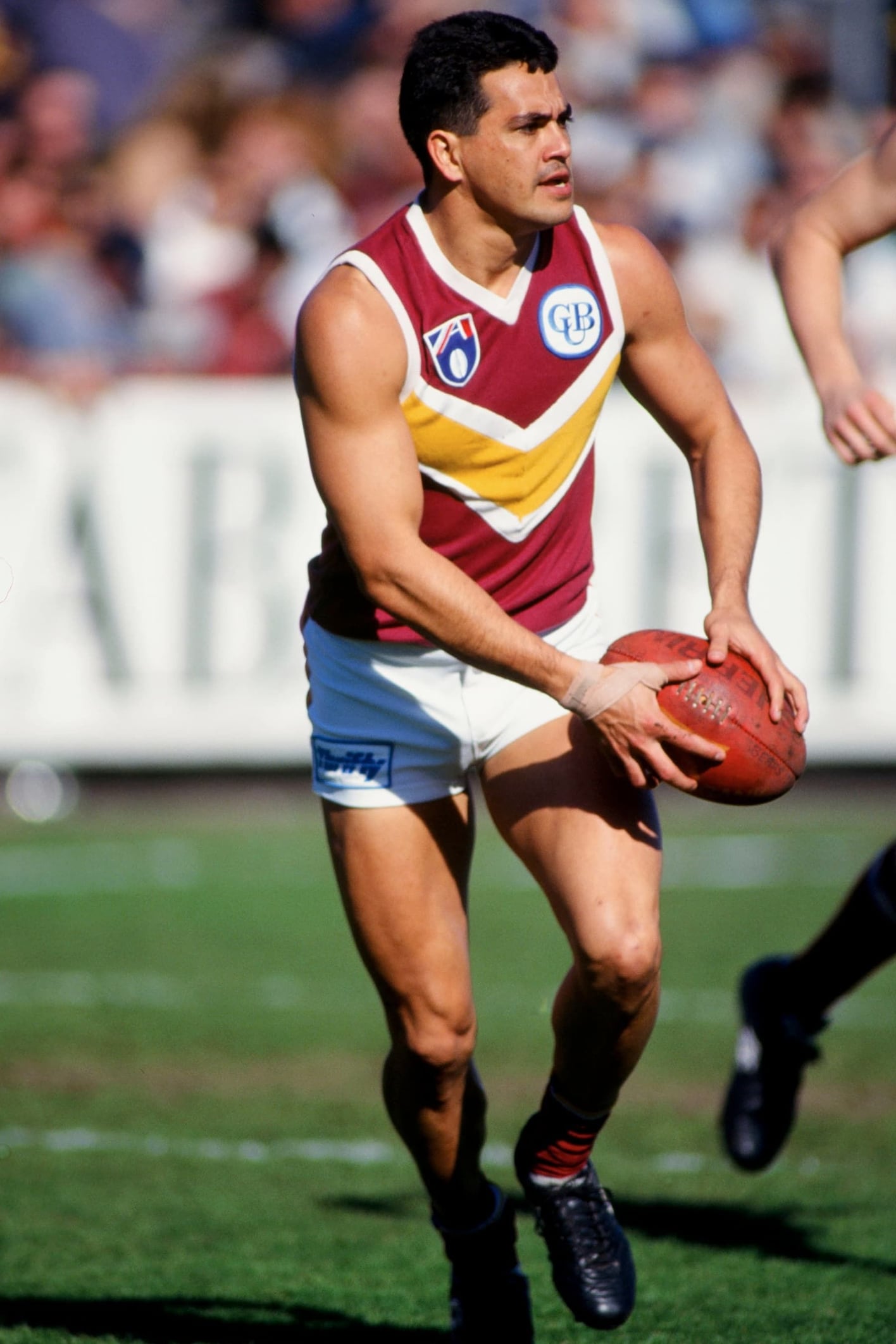
A decade and a half later, he'd run out for 183 VFL/AFL games between the Bulldogs, and Brisbane Bears and Lions. A near 20-year coaching career followed, lifting a wooden spoon side to premiership glory in a single season and introducing the NT Thunder into the football landscape along the journey.
"Pretty surreal," McLean told National Indigenous Times of being named Sir Doug Nicholls Round Honouree. "I'm okay with it now, after reflecting a bit."
McLean's buoyed by the recognition also being an acknowledgment of his off-field impact, including working with disengaged youth, both Indigenous and non-Indigenous, for three decades.
McLean joins trailblazers and icons in the game Graham 'Polly' Farmer, Michael Long, Syd Jackson, Bill Dempsey, Sonny Morey, Stephen Michael and umpire Glenn James as the previous honourees.
Like during their careers, representation at the highest level of the sport, particularly in the Victorian league, wasn't what it has grown to since.
Dedicated celebrations similarly weren't part of the season calendar.
"I envy (today's) players. It was never a thing when I played," McLean said of Sir Doug Nicholls Round.
"I just think it's great. The jumpers, people talking about where they're from, what it means to them. I never got that opportunity. So I'm a little bit envious, I suppose."
Magic quickly established himself in the VFL and was adored by the Bulldogs faithful during his seven seasons at the club from 1983.
Injury interrupted later seasons, before being moved on.
All Australian selection came during the 1988 season.
Stranded on 95 games and having starred with NT representative honours without a VFL home the previous year, the still-young Brisbane Bears picked him up ahead of the 1991 season.
The late Robert Walls "took a punt on me", McLean said. "That was unheard of back in those days."
It paid off. McLean claimed the club's best-and-fairest award in his first season at the Bears, and added another in 1993.
After just 88 games, he's a member of the Brisbane Lions' Hall of Fame.
Sport always seemed an avenue for a young McLean.
"I was pretty good at most things," McLean, conscious of not sounding like a 'trumpet-blower', said recounting his early days in Darwin.
Rugby league, boxing, athletics and of course, Aussie Rules came fairly naturally.
He started senior footy at 15 years of age.
"It was funny, when I got to Melbourne, I lost a lot of confidence. Rather than being a bit of an extrovert, I became an introvert. I just went into my shell a bit and started doubting myself," he said.
"All of a sudden, you're in the big pond with so many good players around."
McLean signed on with Footscray, via fax and telegrams, he remembers.
He was more or less just "hanging in there" by the end of his time at the Dogs, dealing with chronic ankle injuries and close to ten surgeries.
"I reckon in the 95 games I played at the Bulldogs, I played a lot of good ones," McLean said.
However n Brisbane, he said, "I played every game like it was my last".
"I was just so self determined. And I was so grateful to be playing the game at the highest level."
On where he hopes his legacy in football was most significant, McLean quickly reflects back to his home and people.
McLean not only ran out to play and represent the Northern Territory, he also played in and coached Indigenous All Stars sides.
"I've got things that I look back on. It's a couple of B&Fs, leadership roles (at the Bulldogs and Brisbane)," he said.
"I captained my people in the 1994 All Stars against Collingwood, then coached them three times in '03, '05 and '07.
"That's pretty cool to be able to do that, to be able to play and captain your people and coach them as well. The best of the best."
McLean captained the NT as a player and fondly remembers vice captaining the first ever Allies State of Origin side and combined NT-Queensland outfits.
"And then to coach locally, I just love coaching and supporting people, uniting them...playing for each other," he said.
Among 18 years of coaching, the bulk in Darwin, a highlight of McLean's is arriving at Southern Districts. The Crocs has finished wooden spooners the previous year, with McLean lifting them to an NTFL premiership in his first year at the helm.
McLean also held the reins at his boyhood club Nightcliff.
He's an inductee of the Northern Territory Sports' Hall of Champions and a Legend in the NTFL Hall of Fame.
In a lasting impact on footy, McLean is also recognised as a key contributor to the introduction of the AFL's Anti-Vilification Policy.
In 1995, Essendon great Michael Long made an official complaint following on-field racial abuse he received, resulting in mediation action being taken.
Long pushed the matter further, resulting in implementation of 'Rule 35' or 'Peek Rule'.
"I'm really proud that I supported him in that moment," McLean said of the period.
The two had played against one another in the weeks following the initial incident while efforts were being made towards the formalisation of the policy being introduced.
Long, McLean, Gilbert McAdam and Che Cockatoo-Collins are recognised in their roles assisting the rule's development.
"He showed extreme courage to persist with it," McLean said of Long, while stressing the contributions of McAdam and Cockatoo-Collins.
Sadly, racism was something McLean endured during his career.
At present, the number of First Nations players in the AFL is at a two-decade low.
McLean supports all initiatives aimed at reversing the decline, particularly investing into local footy.
The league have strategy in place to increase First Nations representation to 81 AFL players and 29 AFLW players by 2030, with a focus on retention alongside attracting talent to the top level.
Increased representation in football employment, including key roles, is included in the strategy, as well as reducing experiences of racism.
Looking at the Territory, McLean's certain the talent is there and can be harnessed with the right kind of support.
More representative opportunities are another avenue he sees as having an impact.
"Hopefully one day we have a Territory side (in the AFL)," he said.
Asked what he was most proud of, McLean looked to the community and family.
"Supporting people on their life journeys, whether that be in footy of just in life. I get the biggest kick out of that," he said.
Post-playing career, McLean has worked in youth diversion, school engagement programs and as a mentor in junior football pathways programs.
"I just want people to have good opportunities and chase their dreams and believe in themselves," he said.
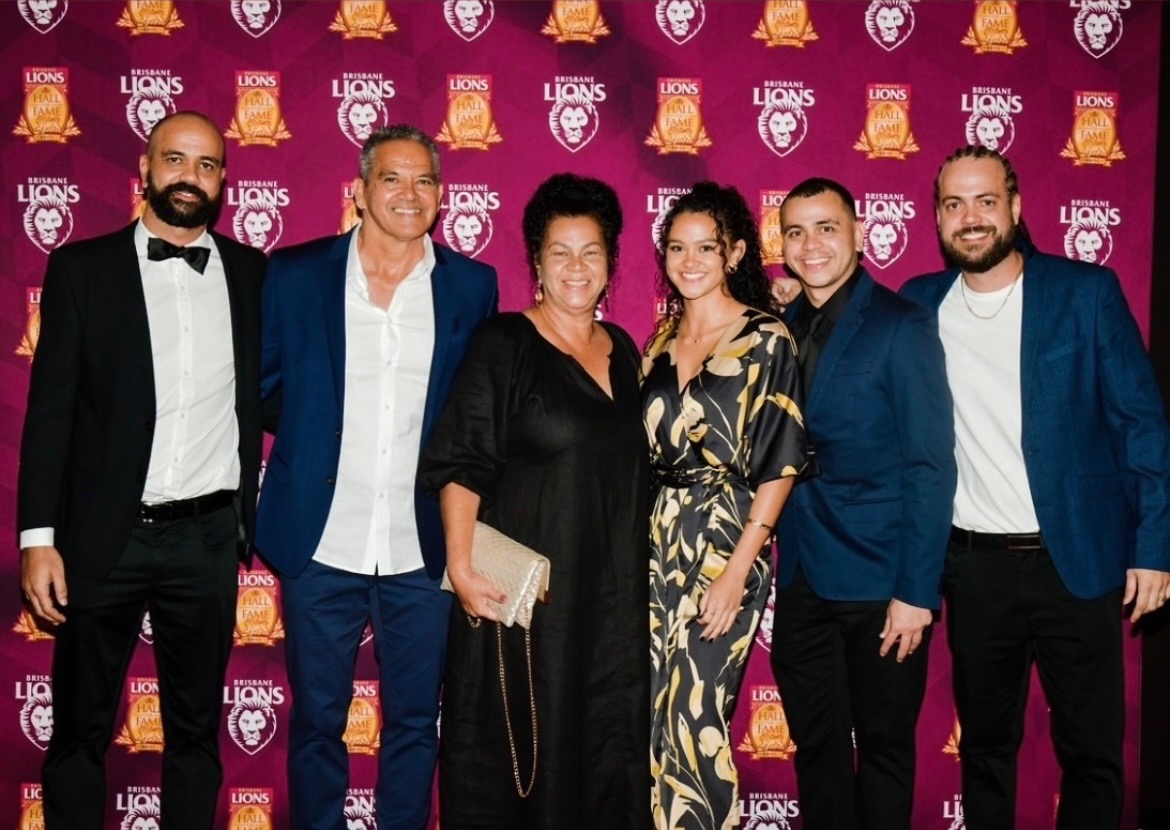
The most important thing is family, his wife Linda, four children and soon-to-be eight grandchildren.
McLean and his wife met at 15, and have been married for 33 years. He said it is important to acknowledge her support in their journey together, saying it was likely his career in footy would have been much shorter had it not been for his "rock".
The AFL launches Sir Doug Nicholls Round on Monday ahead of two weeks of celebrations across rounds 10 and 11 of the premiership season.



