


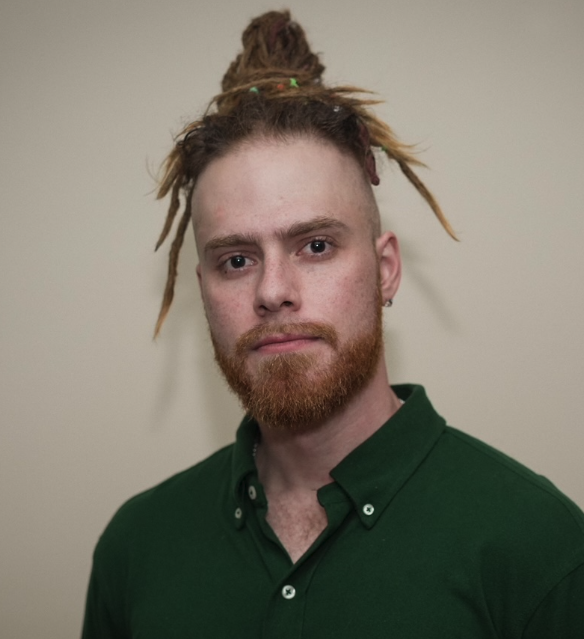

An Aboriginal-led study aiming to reduce injury rates and improve outcomes for Aboriginal and Torres Strait Islander children has received a $5 million National Health Medical Research Council (NHMRC) Clinical Trials and Cohort Studies Grant.
The research, led by Flinders University, will focus on children aged 0 to 16 years who are disproportionately affected by injury, which remains the leading cause of death and third leading cause of disease burden for children in Australia.
Indigenous associate professor Courtney Ryder, from FHMRI Trauma and Injury, said Indigenous children are facing increasingly poor outcomes.
"Over the past decade, the situation has worsened, injury rates are on the rise for Indigenous children with higher rates of mortality at a younger age," Associate Professor Ryder said.
"We want to transform prevention, trauma and rehabilitation initiatives for injuries, and promote long lasting health and wellbeing outcomes, with and for Aboriginal and Torres Strait Islander children, families and their communities."
Titled Transforming Health and Wellbeing Outcomes from Injury for Aboriginal and Torres Strait IsLander Children - The HEAL Cohort Study, the project has been awarded $4,998,544.50.
It will address knowledge gaps in child injury data, focusing on risk and protective factors and the role of cultural and social determinants.
"If we can fill in these knowledge gaps, including how family, community, culture, and social conditions impact Indigenous children's health and recovery after injury, we can create better ways to prevent injuries and improve supports on offer," Associate Professor Ryder said.
The HEAL study will draw on data from two major sources – South Australia's Better Evidence Better Outcomes Linked Data (BEBOLD) and the New South Wales' Child E-Cohort – covering around 180,000 Aboriginal and Torres Strait Islander children.
"By using these novel platforms, we will be able to paint a clearer picture of injury incidence, the circumstances surrounding injuries, and responses from health, social, and education systems," Associate Professor Ryder said.
Associate Professor Ryder said Aboriginal and Torres Strait Islander involvement is central to the study, with the implementation of Indigenous data frameworks to ensure data governance and sovereignty.
"In partnership with industry stakeholders, communities, and consumers, this initiative will empower Aboriginal and Torres Strait Islander voices and perspectives throughout the research process, which has been depicted by Talia in our artwork Wruwalun Mi:wi (Hoping/Believing Inner Spirit/Soul)," she said.
The findings will assist policymakers in developing targeted solutions to reduce injury and improve support systems for Indigenous children and their families.



