


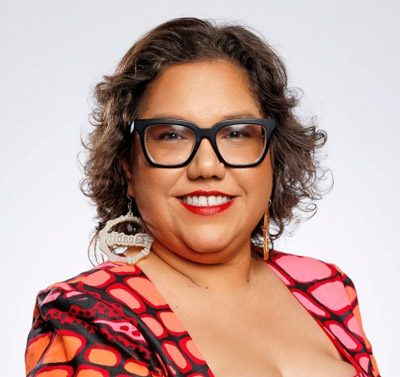

Guided by culture, compassion and a deep understanding of what young people are carrying, Shauna Moore is quietly changing lives in one of the most remote parts of the country.
A finalist in the Indigenous Achievement category at the NT Young Achiever Awards, Ms Moore's impact as a youth leader is being felt far beyond Mutitjulu.
Living and working in Mutitjulu, on Anangu Country near Uluru, Ms Moore is a First Nations youth worker committed to strengthening mental health and identity among young people. Her leadership is grounded in creating safe, non-judgemental spaces where young people feel seen, heard and valued, something she knows firsthand is critical.
Ms Moore's journey into this work is not just professional, it is deeply personal. Drawing on her own lived experience and the impacts of intergenerational trauma, Ms Moore has built a leadership style that blends cultural knowledge with genuine care.
"I take great pride in providing a safe, non-judgmental space where young people can be themselves and feel heard," she said.
But that strength did not come easily.
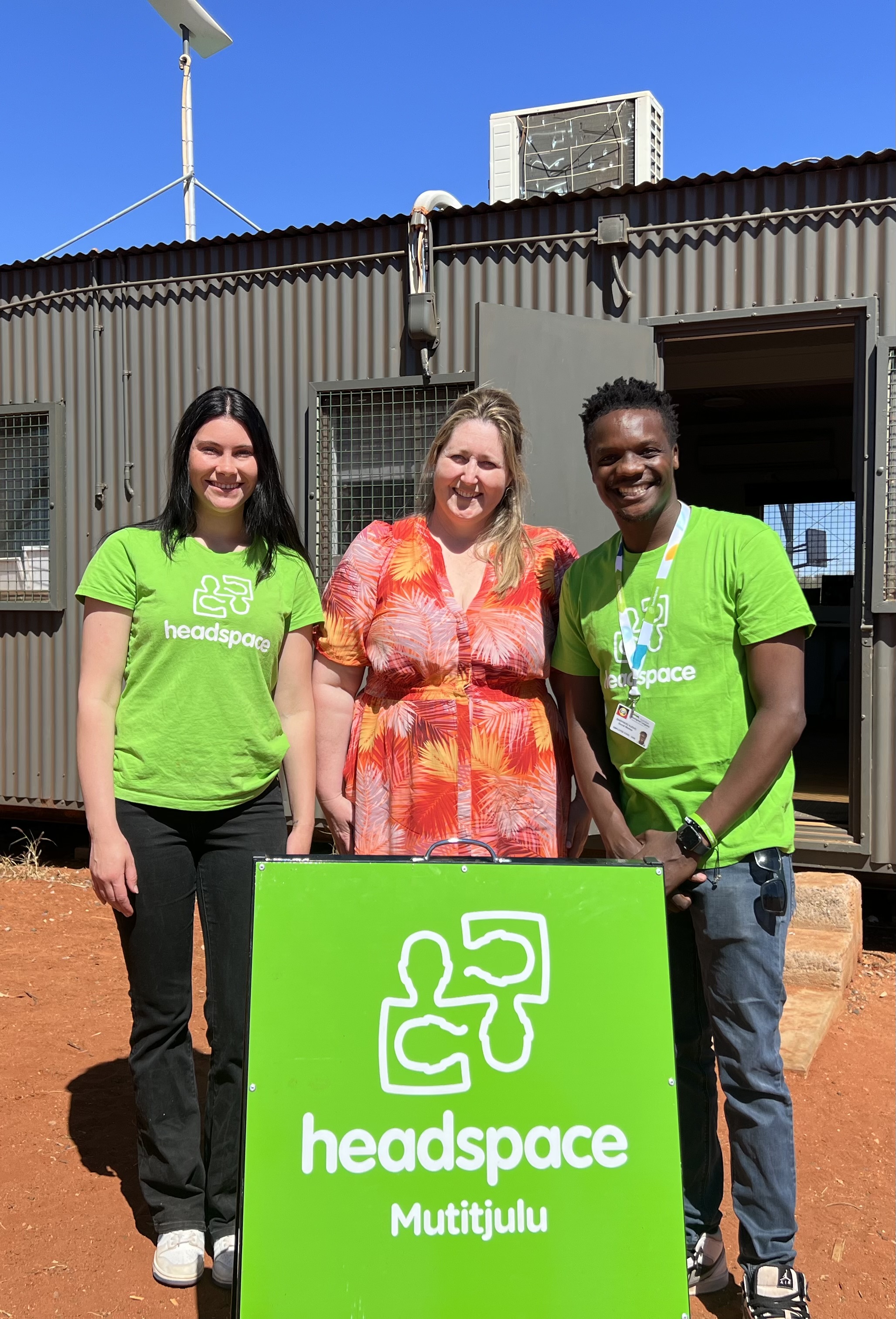
"I haven't always felt strong in my culture. Growing up, I was afraid to fully embrace it as I struggled a lot with my cultural identity and where I fit," she said.
"At the same time, I saw a lot of my family go through mental health challenges, which had a big impact on me. Losing my sister to mental health was the main reason I chose this path and is the reason why I do what I do."
Those experiences now sit at the heart of Ms Moore's leadership. They have driven her to challenge conventional approaches and create pathways that genuinely connect with young people.
"I also saw firsthand that western interventions didn't always work for my family which made me think of what was missing, and it led me back to culture," she said.
"That's why with most of the young people I work with we don't follow the usual western way of sitting in a room one-on-one talking about feelings. Instead, I take a 'happy heart, healthy body, strong spirit' approach, because when those three are strong, our young people are in a good place."
Working across Mutitjulu and previously Alice Springs, Ms Moore has become a trusted mentor and role model. Her leadership is not about titles, it is about impact. She walks alongside young people through their hardest moments and celebrates their growth, helping them build confidence, self-worth and a stronger sense of identity.
She is also part of a broader shift happening across communities.
"There is a lot more openness to talk about mental health now," Ms Moore said. "More people, especially our young ones feel like they can speak up without so much shame."
"Social and emotional wellbeing is being recognised more and culture is beginning to be seen as part of the healing.
"However, stigma still hasn't fully gone yet, we need more support that's built by community, for community, services that truly understand our culture, our stories, and our ways of healing."
Despite limited resources in remote communities, Ms Moore continues to lead from the ground up, proving that strong leadership does not rely on systems, it is built through connection.
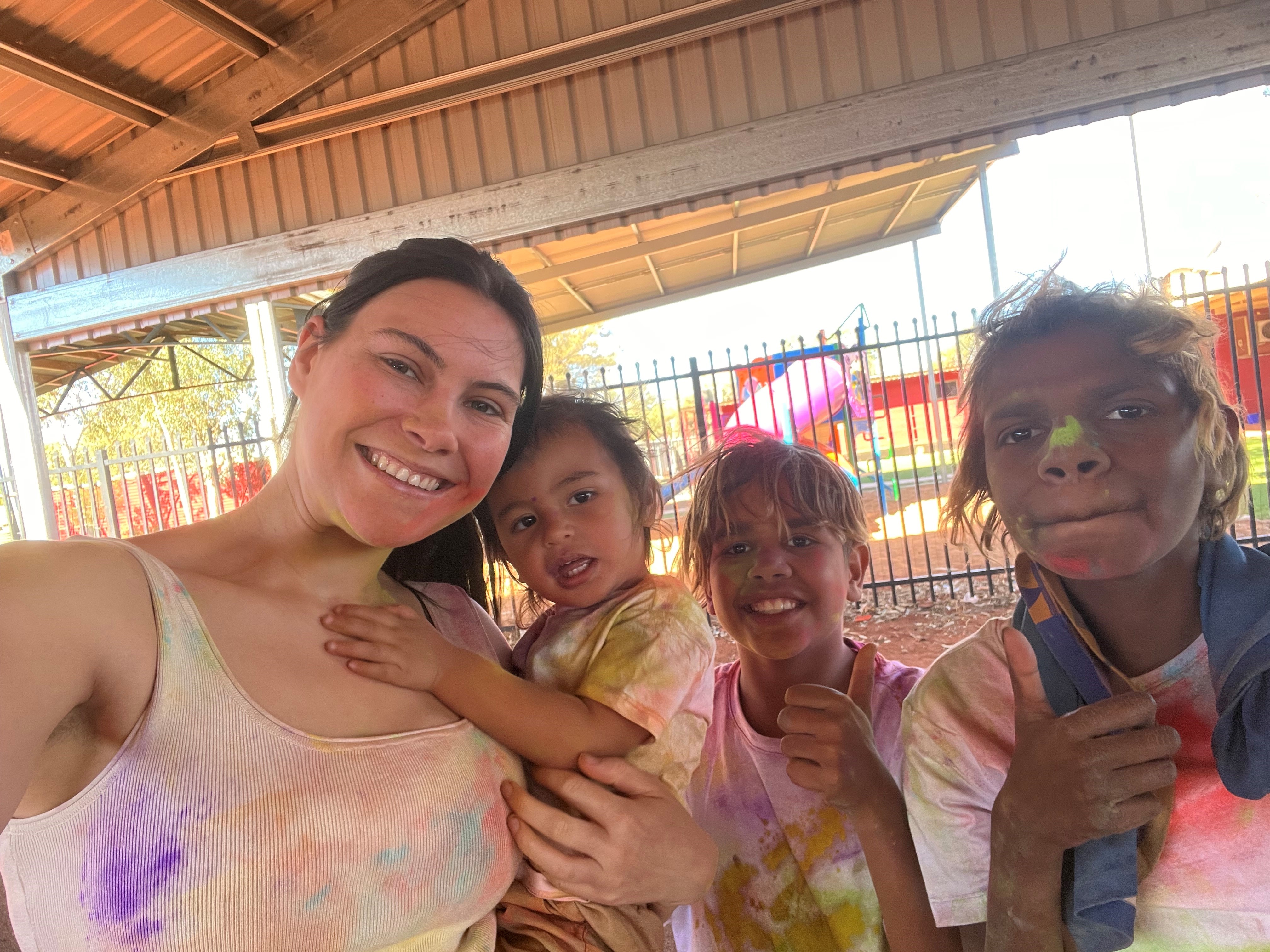
"This is probably the biggest challenge as the space is only as safe and meaningful as you make it," she said. "There are no shortcuts and very limited resources to rely on when trying to connect with young people."
"The safety young people feel is built purely from connection. When young people feel supported, understood, and valued then whatever space you're in naturally becomes meaningful and this is when conversations start to happen."
At the centre of her work is culture and Country, not as an add on, but as the foundation.
"For me, healing through culture and connection to country is about bringing young people back to who they are and where they come from," Ms Moore said.
"In practice it doesn't have to be anything big or complicated, sometimes it's just being out on Country, slowing things down, and creating a space where young people can feel calm and like they belong.
"It's about sitting, yarning, listening to stories, and learning from Elders and old people. I've seen how this connection grounds our young people, builds pride in who they are and reminds them they're part of something bigger."
Ms Moore's leadership is helping reshape what strength looks like for the next generation.
"I want our young mob to know they're not alone, never have been and never will be," she said. "Even when it feels heavy, you're not walking that path by yourself.
"It's okay to feel a bit lost sometimes but that doesn't take away from your strength. Keep going, keep reaching out, and know there's always people who care and are ready to walk alongside you."
Through culture, connection and courage, Shauna Moore is not only supporting young people, she is leading them into a stronger future.



