Several years ago, I was approached at the Broome Courthouse markets by someone with a yellowish fruit about the size of a cumquat in their hand asking if I knew what it was and if it was edible. I couldn't answer either question, but my curiosity was aroused and I asked them where they'd found it. They led me to a large tree under which lay a profusion of the sweet smelling drupe. It wasn't a tree I knew but I promised them I'd find out.
With a little research I discovered it was a marula tree, that the fruit was not only edible but deliciously so, and that the tree had been planted by a shire gardener with ties to Africa.
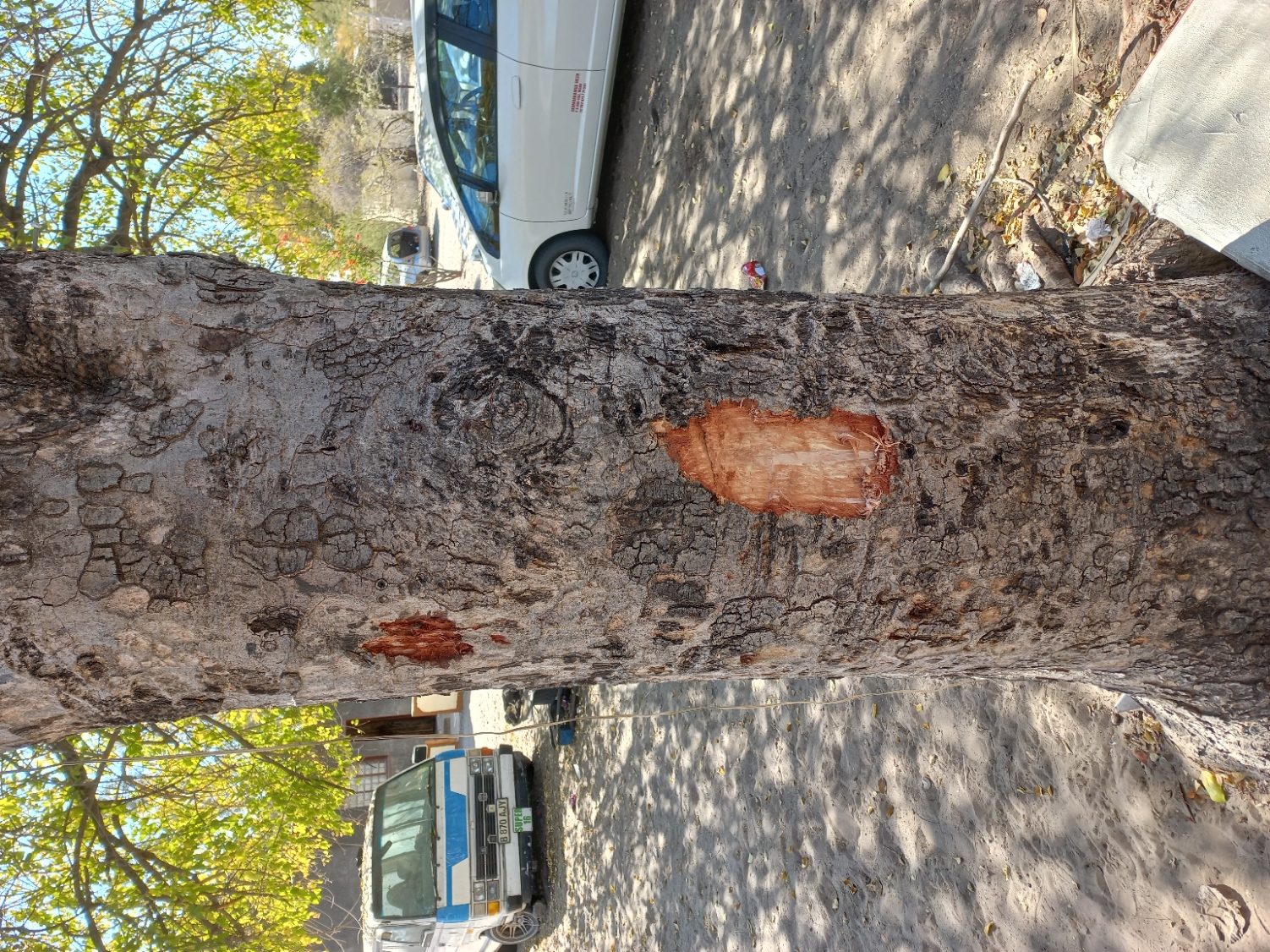
Alas the tree is no longer there, removed to make way for an extended Broome Courthouse. And to be honest I'd nearly forgotten about it until I made a recent trip to Botswana. I had a lightbulb moment and asked our guide, Muller, if he knew anything about the marula. Within minutes he'd driven me around the corner to a street stall under a tall dead looking tree with large chunks of bark removed from it. It was a different looking tree from the one I remembered, laden with fruit and leaves. Of course, the difference was that it was now the dry season and it had shed its leaves.
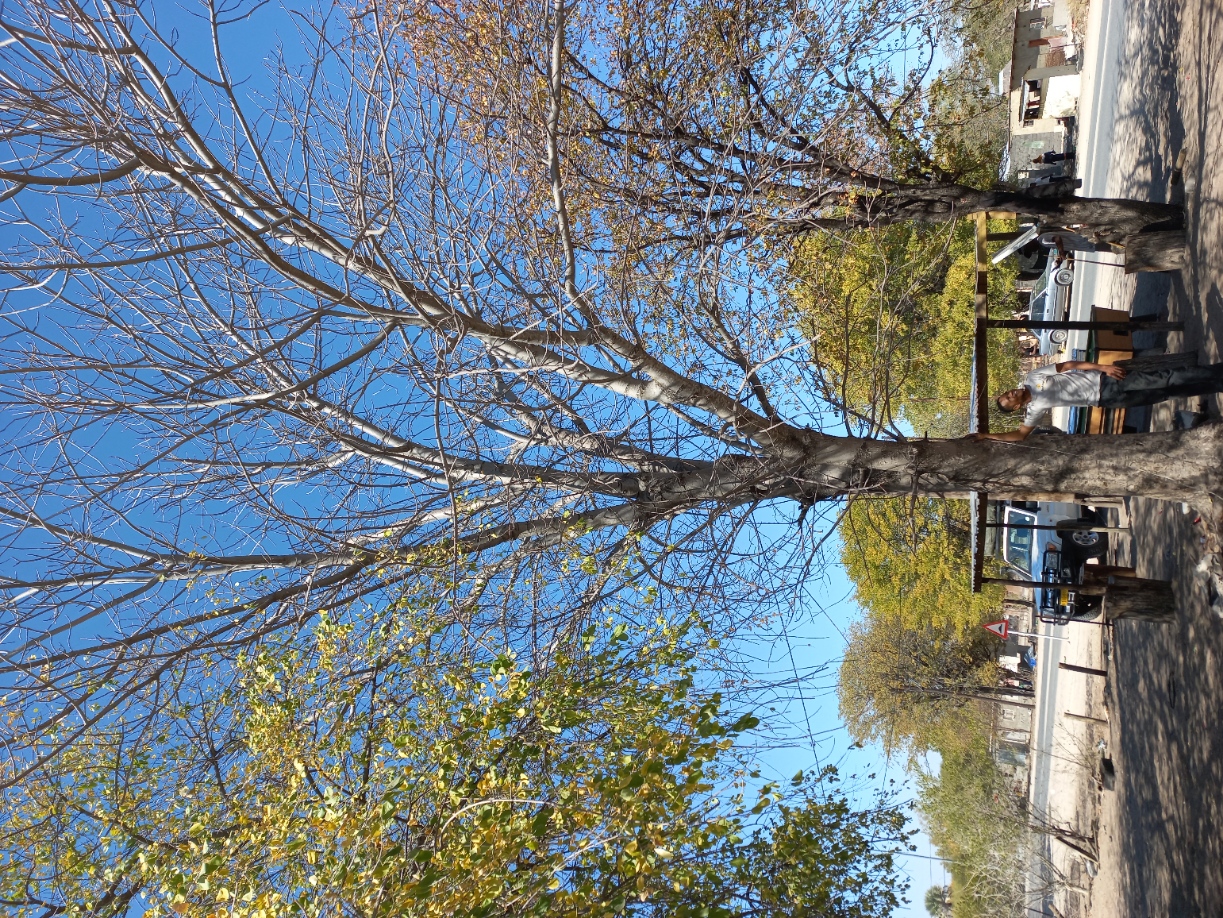
Muller went onto to explain it was a highly significant tree to indigenous people of Southern Africa providing not only delectable nutritious fruit in the wet season but containing significant medicinal properties. He said the most common way people used it was to remove pieces of bark and boil them to produce a wash to treat skin diseases and insect bites. His next comment that people also made beer out of the fermenting fruit really piqued my interest not because he said it made super strong beer but because elephants also loved the fruit, ripe or rotten and you didn't want to run into one with a marula hangover.
Botswana is renowned for its wildlife and one way to experience it is by mokoro, a dugout canoe poled along by an experienced guide who explains everything from why they were avoiding the hippos to identifying the eagle roosting in the tree. I queried our mokoro guide Eric about the marula. He pointed into the canoe saying that it had been fashioned out of that very tree, reiterating some of Muller's information but also adding that the kernel contained within the fruit's nut is also very tasty and an easy way to collect it is from the steaming piles of elephant dung beneath a fruiting marula tree. He added another way to use it was to peel the skin from the fruit and put it in with your bath water to ease aches and pains. Further research revealed a multitude of uses for this amazing tree.
Now if I was into growing exotic trees and I had room in my garden Cidertree as it is also known would be top of my list. Botswana and neighbouring countries where marula, (Sclerocarya birrea ssp caffra) grows, have a climate and rainfall like Northern Australia's dry tropics and from all accounts it germinates easily from seed. If you are going to grow it, be aware that introduced species can become weedy under favourable conditions. Till next time, Tsamaya sentle!