


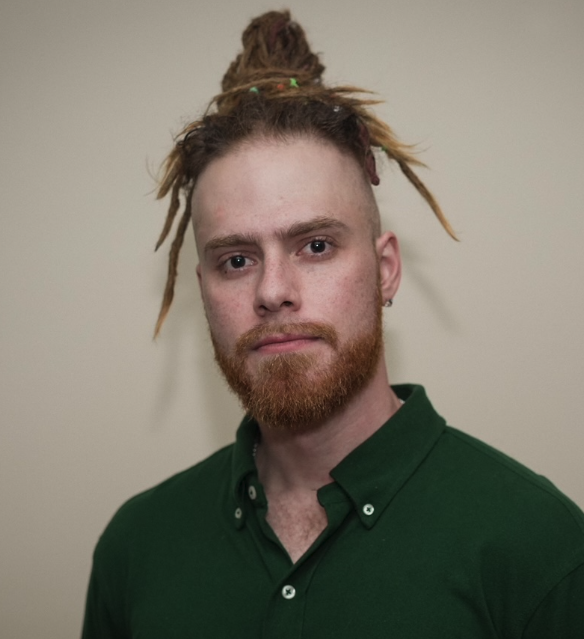

Barada Barna, Yuwi and Woorabinda community members are this week celebrating the ongoing impact of the Queensland Indigenous Land Conservation Project, which has restored 375 hectares of land and leveraged more than $3 million in funding since 2019.
Greening Australia's Manager of First Nations Engagement, Richard Sporne, said the project's sustainability was built on community leadership and long-term outcomes.
"The sustainability of this project was very important, we didn't want to be a fly-in-fly-out project that came and developed a plan and then just had those plans sit on a shelf."
"That's why we established culturally endorsed Project Reference Groups with each First Nations group involved to oversee the management and strategic plans developed using the Healthy Country planning process, the creation of appropriate on-ground training, and exploration of environmental market opportunities like blue carbon projects.
"There have been great outcomes environmentally and economically, but perhaps the greatest outcomes have been connected to how the project has supported the social and cultural wellbeing of these communities."
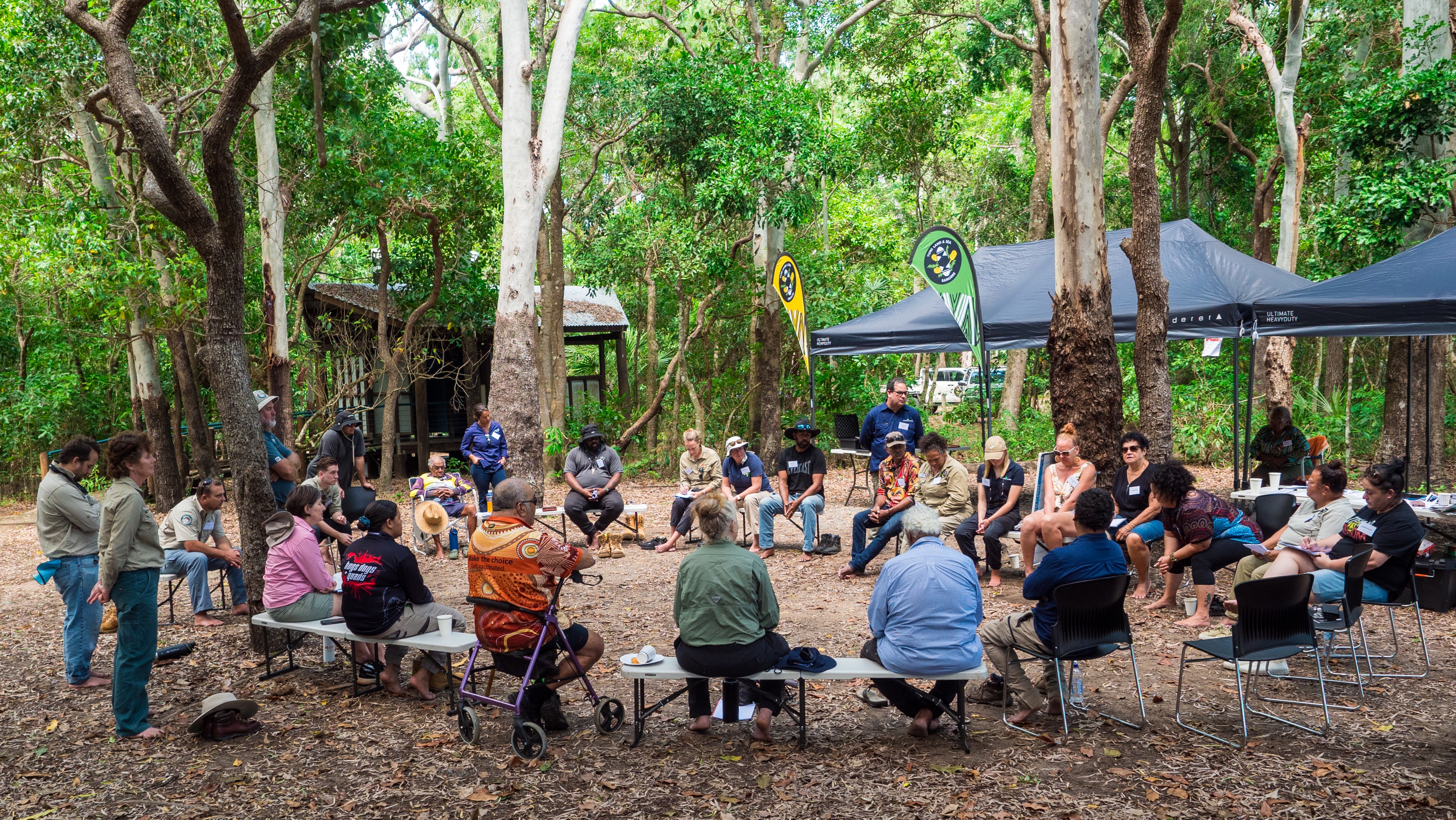
Community members shared the benefits of the project on the ground.
"With this partnership, it feels like our Elders and our rangers are leading the way and putting forward what they want, so that's been really important," a Yuwi representative said.
A Woorabinda Project Reference Group member the Woorabinda Ranger Project is "the most important program introduced to the Community in the 23 years I have been living here".
Another Reference Group member said: "When I drive around Country now and see the changes, you know the Old People are happy and community are happy... the Old People are putting good people in our pathway (like our rangers) to make the changes and have pride."
Between 2019 and 2025, the project delivered 29 restoration initiatives, including cultural burns and gully rehabilitation, preventing an estimated 11 tonnes of sediment from entering the Great Barrier Reef annually.
The project also provided employment for 63 First Nations people and training for 53.
The Woorabinda Project Reference Group secured funding for five full-time ranger roles through a Healthy Country Plan that now informs work plans and monitoring.
The Yuwi Blue Carbon Wetland Restoration Project is also underway, assessing coastal restoration sites to develop a pipeline of blue carbon projects in partnership with Greening Australia.
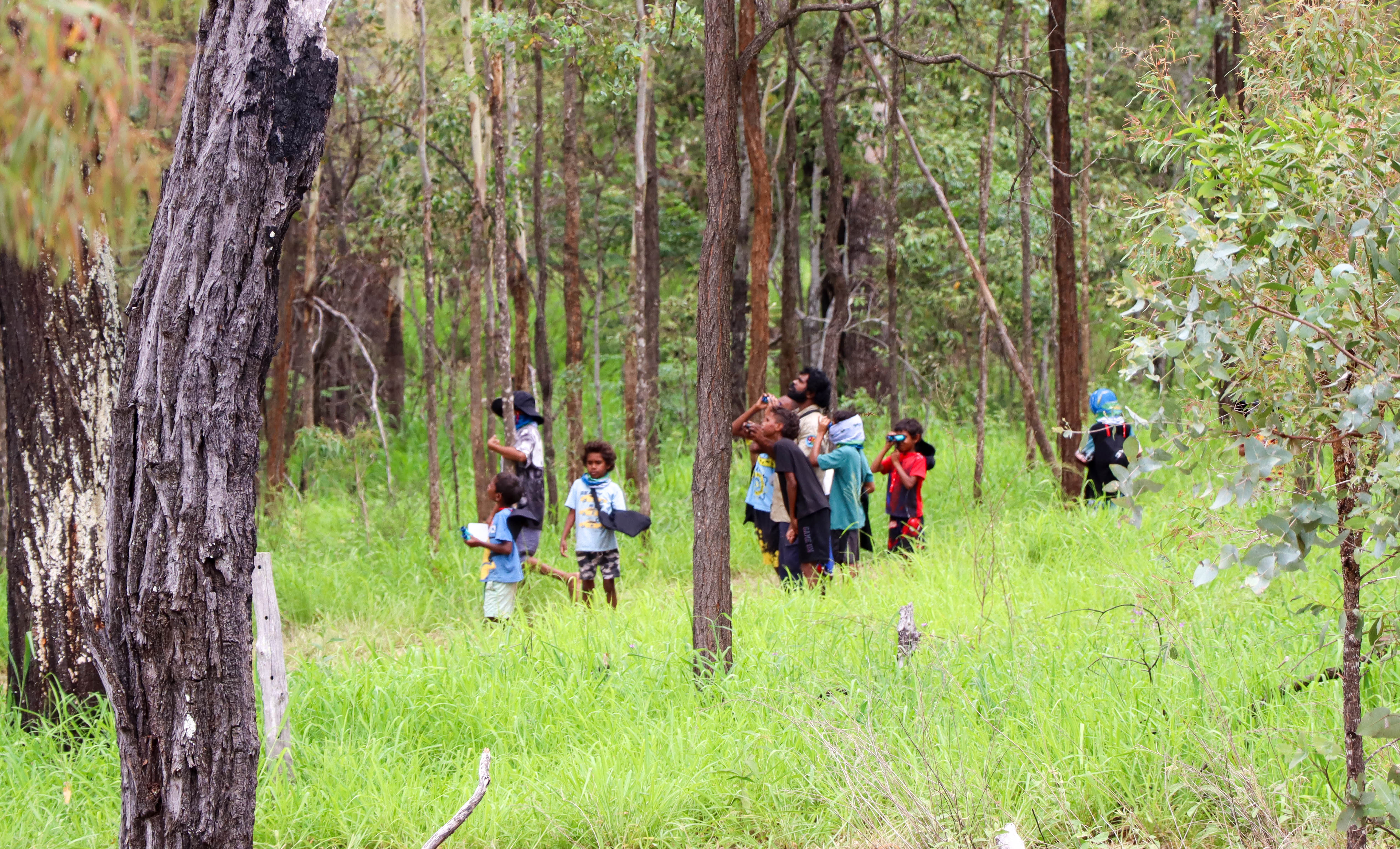
Greening Australia chief executive Heather Campbell acknowledged First Nations leadership across the project.
"We are really proud of the achievements of the QILCP, but especially the extra steps taken to ensure First Nations groups were making decisions about capacity building in areas that worked for them, and about financial mechanisms and enterprises they wanted to explore to keep working on Country well beyond the lifetime of the QILCP," she said.
BHP Mitsubishi Alliance General Manager, Planning Technical and Environment, Sonia Winter, said the project had built sustainable outcomes.
"The project has created sustainable outcomes by bringing together Elders, Traditional Owners, Greening Australia and their expertise. It has co-designed pathways to First Nations-led employment and enterprise by healing Country and improving water quality into the Great Barrier Reef."
The Queensland Indigenous Land Conservation Project was jointly funded by BHP Mitsubishi Alliance and Greening Australia's Reef Aid program.



