




The Tasmanian Aboriginal Legal Service has commended efforts to enable prisoners to vote in the state's upcoming election.
The move will see eligible prisoners able to vote in a Tasmanian House of Assembly election for the first time in more than a decade.
Tasmanian Aboriginal Legal Service chief executive Jake Smith said every person in Tasmania should have the right to vote.
"That is a fundamental democratic right, and we are pleased that the Prison Service and Electoral Commission have worked to improve voting access for those in custody," the Palawa man said.
"This progress ensures that more people can have their say in shaping the future of our state - for themselves, their families, and their communities."
Aboriginal people in Tasmania, similar to other Australian jurisdictions, remain disproportionately incarcerated compared to the non-Indigenous population.
In the March 2025 quarter, Australian Bureau of Statistics data indicated 814.8 per 100,000 adult Aboriginal and Torres Strait Islander people were incarcerated in Tasmania. Comparatively, Tasmania's average daily imprisonment rate sat at 166.6 per 10,000 of the adult population.

"Aboriginal people are over-represented in Tasmania's prisons, despite long-standing government commitments to reduce incarceration rates," Mr Smith said.
"As a result, these voting restrictions have a disproportionate and discriminatory impact on our people."
Mobile polling stations will be set up in Tasmania's prisons this week to enable prisoner voting in this month's state election.
Mr Smith said incarcerated Aboriginal people deserve to have their voices heard through the electoral process.
"As the legal service for Aboriginal people in Tasmania, we work with clients from the north to the south of the state – and we know our communities want to have their say," he said.
"They want their voices to be heard and have influence on the laws and policies that directly impact them, their children, and future generations."
Collaboration between the Tasmania Prison Service and the Tasmanian Electoral Commission is making prisoner voting possible at the upcoming election, a partnership praised by Custodial Inspector Richard Connock.
"[This] is a great step forward in enabling their democratic rights," Mr Connock said.
"Democracy is about public participation. Being able to vote on who governs us – our representatives at the local, state and federal levels of government – and proposed changes to the Australian Constitution are core features of that participation."
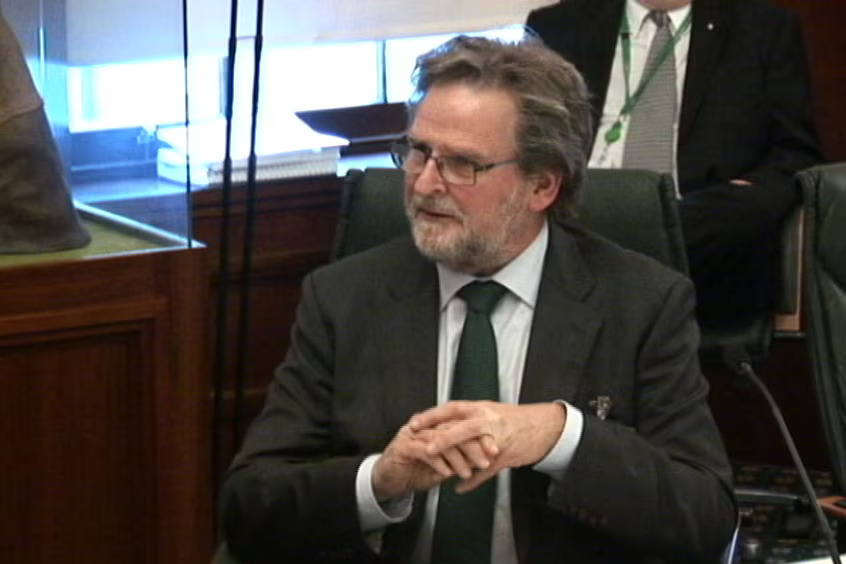
Despite the changes, current laws prohibit people serving sentences of three years or more from voting in local, state and federal elections in Tasmania.
"The disproportionate incarceration of Aboriginal people makes these voting restrictions essentially discriminatory," Mr Connock said.
"The right to vote is unlikely to be a primary concern for some in custody, with far more basic conditions not being consistently met such as access to the open air, every right deserves to be upheld."
Mr Smith said TALS supports Mr Connock's call for changes to the laws which currently prohibit people serving longer sentences from voting.
"This continues to be a significant issue in Tasmania and must be addressed," he said.
Tasmanians will head to the polls on Saturday 19 July for the fourth time in seven years, after Tasmanian premier Jeremy Rockliff lost a no-confidence motion last month.



