



25 years ago, Aboriginal and non-Indigenous people gathered side by side to erect a memorial marking a shameful historical chapter in a move of reconciliation and truth-telling.
Every year, hundreds of people gather, many travelling from interstate, to mark the Myall Creek Massacre at Bingara.
The rock memorial near the site of the massacre was erected in 2000, two years after a group of four people began their project to acknowledge the atrocity and lay foundations for truth and healing.
162 years earlier, on June 10, 1838, at least 28 Wirrayaraay children, women and men were murdered in an unprovoked attack by settler and convict stockmen.
Seven men from the group who committed the murders were publicly hanged at Sydney Gaol. They were the first colonial men executed for killing Aboriginal people.
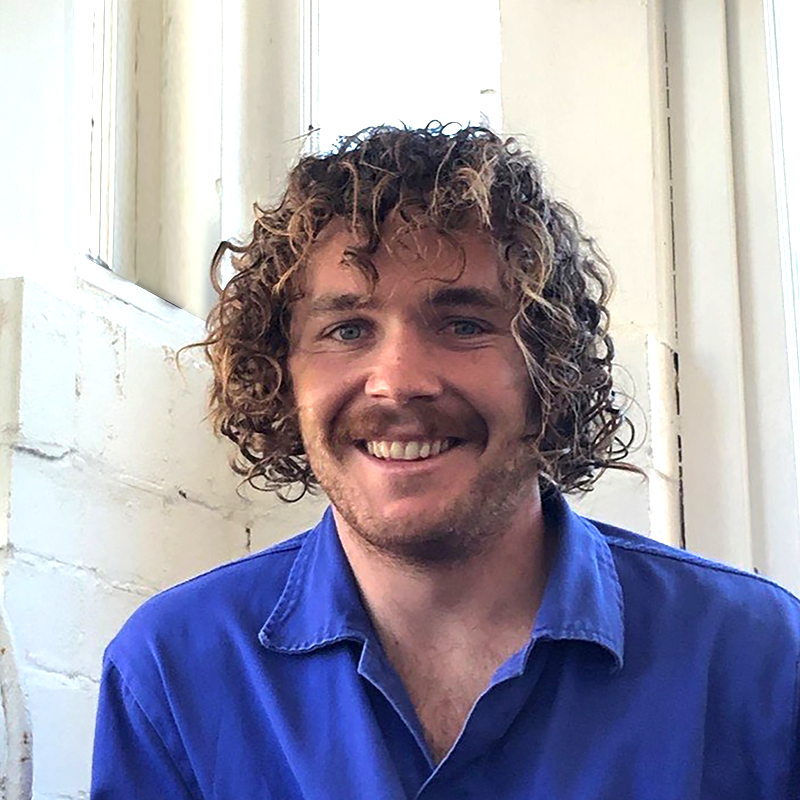
"It's an opportunity for us to go at the Myall Creek memorial site and pay our respects and remember the horrible events that took place on the evening of the 10th of June, 1838," Keith Munro told National Indigenous Times.
Mr Munro is the Aboriginal co-chair of the Friends of Myall Creek Committee, the organisation who lead efforts to raise awareness of the massacre.
The group has broader branches in Sydney and Armidale, open to all.
Annual gatherings at the memorial take place on the June long weekend, always days either side of the 10th.
Friends of Myall Creek encouraged all people to come along and reflect on Sunday, as customary this time of year, but also acknowledge the 25th anniversary of an important event.
Mr Munro said the memorial came at a period of heightened apprehension to acknowledge Australia's history.
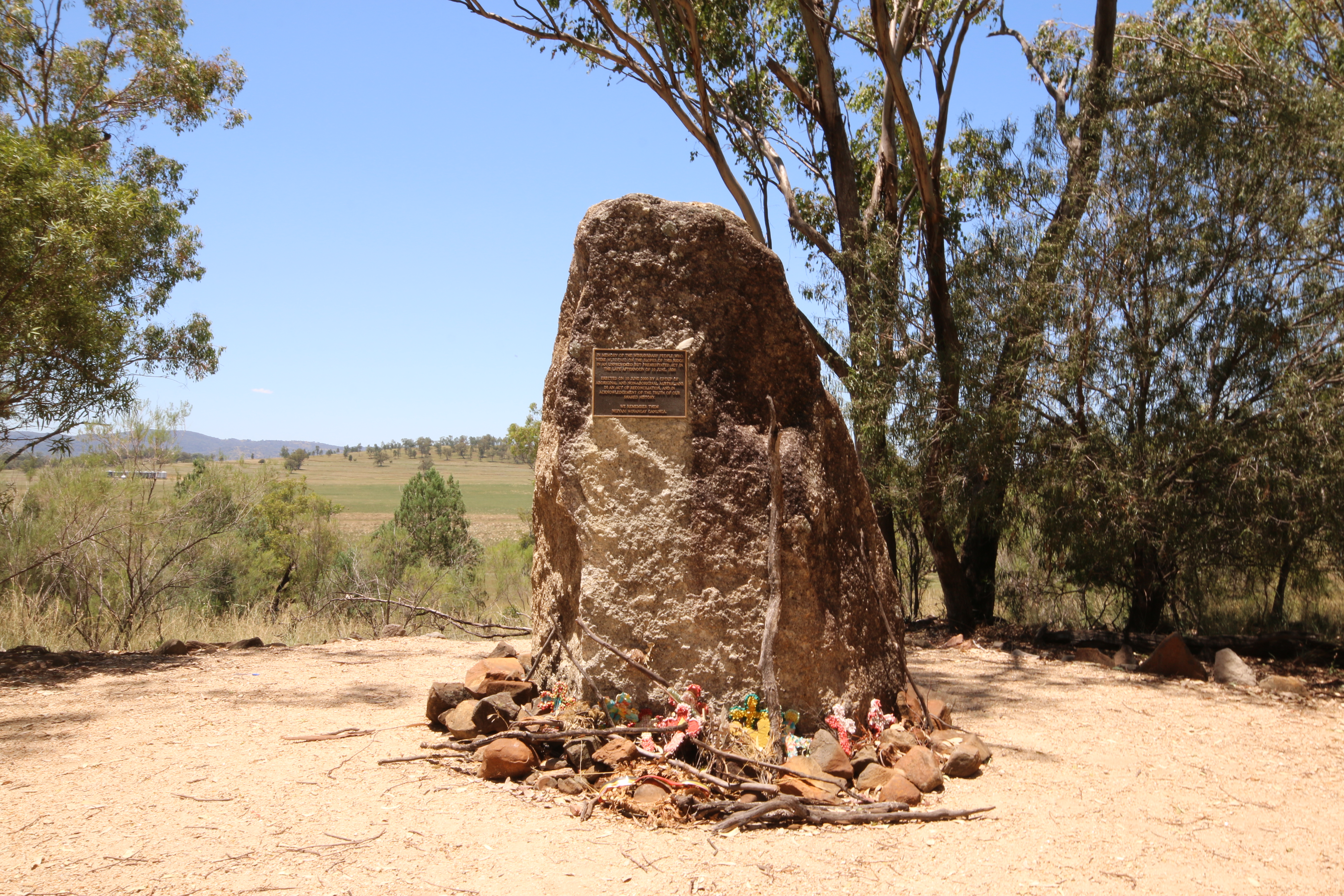
IN MEMORY OF THE WIRRAYARAAYA PEOPLE, WHO WERE MURDERED ON THE SLOPES OF THIS RIDGE
IN AN UNPROVOKED BUT PREMEDITATED ACT IN THE LATE AFTERNOON OF 10 JUNE, 1838
ERECTED ON 10 JUNE 2000 BY A GROUP OF ABORIGINAL AND NON-ABORIGINAL AUSTRALIANS IN AN ACT OF RECONCILIATION, AND IN ACKNOWLEDGEMENT OF THE TRUTH OF OUR SHARED HISTORY.
WE REMEMBER THEM
NGIYANI WINANGAY GANUNGA
"Amongst all of that, you had this incredible meeting of people that saw the injustice that continued to remain, in truth-telling aspects of our history.
"For them to be able to come together in that environment, to form a committee and to be steadfast in their passion to create a memorial that is honored and reflected on the mass scale now is a country's history…it's pretty amazing."
Those four people were Margaret Blacklock, Colin Isaacs, Ted Studdins and Paulette Hayes.
Each year is a an opportunity to reflect on ongoing "challenges and struggles we have as a country," Mr Munro said, "as a place, and as a space, the memorial has always been about that truth-telling".
In addition on Sunday, Roger Knox - often called the 'Koori King of Country' or 'Black Elvis', performed alongside Ngambaa Dhalaay Dancers, Gomeroi Dancers and the Tingha Nucoorilma Dancers.
Every year students from first year of school to year 12 are invited to enter the Thoughts and Dreams – Student Art, Writing and Song Competition.
The competition encourages schoolkids to express their perspectives and ideas of reconciliation, with finalists displayed at the Myall Creek Memorial Hall over the weekend.
On Friday, the Oorala Aboriginal Centre at the University of New England hosted the Myall Creek 25th Anniversary, co-hosted by UNE and Armidale Friends of Myall Creek.
Saturday hosted Ceramic Break Sculpture Park 'Myall Creek' Art Exhibition and 'Gather & Trade' Aboriginal Artisans Micro Markets in Warialda.
"We are celebrating those who worked together to get it built and started the Friends of Myall Creek Memorial Committee," non-Aboriginal co-chair Dr Ann Daly told National Indigenous Times.
"Our job is truth-telling, holding the annual commemoration, maintaining the memorial and fund-raising to eventually build an education and cultural centre at the site."
Mr Munro said the memorial gathering has grown, and become a place where people come together, reflect, gather, pay respects "and remember part of the true history of this country".



