


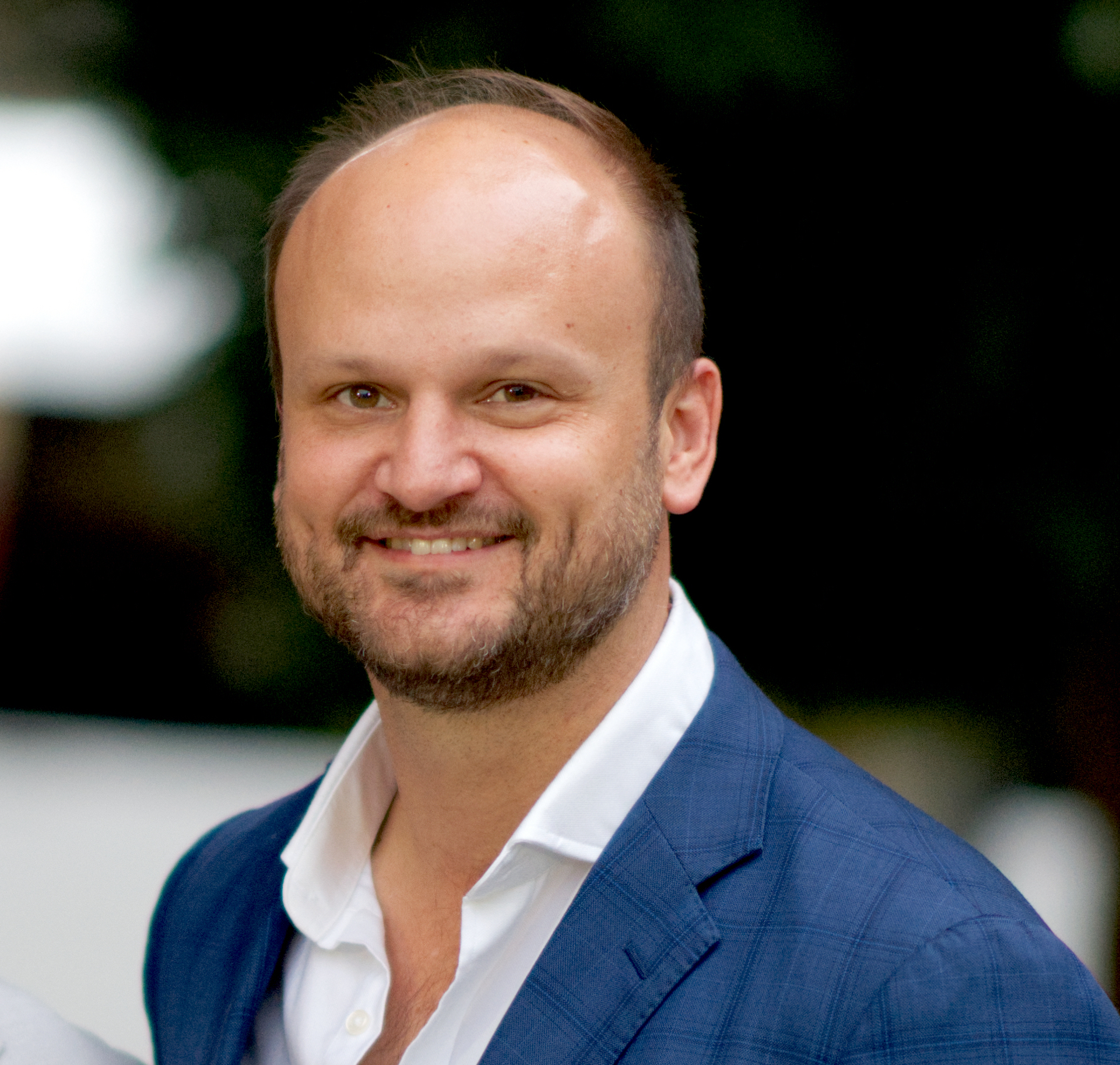

It has been reported today that Mark Dreyfus may lose his position as Attorney-General in an impending cabinet reshuffle following Labor's historic election victory.
Under Labor's internal processes, factional leaders negotiate behind closed doors to decide who should serve in Cabinet. It is then the Prime Minister's prerogative to allocate portfolios.
As this process unfolds, the Prime Minister should pause to consider the national significance of Dreyfus's work on Indigenous justice. Few politicians bring his combination of legal expertise and lifelong commitment to Aboriginal communities.
As the National Indigenous Times has reported, Dreyfus was raised with a strong sense of social justice and has spent his career advancing legal reforms that benefit First Nations people.
We respectfully urge Prime Minister Albanese to retain Mark Dreyfus as Attorney-General, in recognition of his unique contribution to addressing the over-incarceration of Aboriginal Australians and improving justice outcomes.
A Legal Career Grounded in Indigenous Advocacy
Before entering Parliament, Dreyfus built his legal career around Indigenous communities. He began as a field officer with the Northern Land Council and later worked as a solicitor and barrister in the Northern Territory. He appeared in the landmark Stolen Generations case.
This early work – at the coalface of injustice – gave Dreyfus a rare insight into how the law can both harm and heal Aboriginal families.
That experience sets him apart. His work with Stolen Generations survivors and remote communities gave him credibility and empathy not easily found in Canberra. He does not speak about Indigenous issues from a distance, but with personal knowledge and longstanding commitment.
Dreyfus has acknowledged that Australia still lives with "rates of incarceration of Aboriginal and Torres Strait Islander men, women and young people" that are a "national shame". That recognition stems from decades of firsthand experience.
Driving Justice Reinvestment
Under Dreyfus's leadership, the Albanese Government has made historic investments in justice reinvestment – a community-led approach to reducing incarceration.
In the 2022 Budget, he delivered a First Nations Justice Package worth $99 million – the largest commitment to Aboriginal justice ever made by the Commonwealth. This included $81.5 million for up to 30 community-led programs run by Indigenous organisations, focused on diversion, prevention and local support services.
In September 2024, Dreyfus secured a further $79 million to expand the program to up to 30 more sites – making it the most substantial justice reinvestment effort in Australian history.
Justice reinvestment empowers communities to design their own solutions. As Dreyfus has said, the model "supports Indigenous communities to find local solutions to keep at-risk youth and adults away from the criminal justice system".
These are not top-down programs. "We know that reducing the incarceration of First Nations people and strengthening community safety can be achieved through initiatives led by First Nations communities," he said. In short, the best way to "turn the tide on the unacceptably high incarceration rates" is to back the people most affected.
These are not empty commitments. On recent visits to the Kimberley and Pilbara, Dreyfus witnessed justice reinvestment in action – from youth diversion programs to night patrols. He has delivered real funding so that urban and remote communities alike can run their own solutions.
By any measure, Dreyfus has backed justice reinvestment more comprehensively than any Attorney-General before him. He points to evidence: community-led pilots have reduced crime and reoffending. His hallmark is partnership – working with communities, not imposing solutions.
Pushing National Reform and Working to Close the Gap
Dreyfus has also driven systemic legal reform. A cornerstone of his work is aligning national justice policy with the Closing the Gap framework.
He has used his position as chair of the Standing Council of Attorneys-General to keep state and territory leaders focused on reducing the over-incarceration of First Nations people. In December 2023, all jurisdictions agreed to report on their progress against justice-related Closing the Gap targets – a first in national coordination.
His leadership has also contributed to momentum to raise the minimum age of criminal responsibility, with most jurisdictions lifting it to at least 12, and the ACT to 14. Dreyfus has worked to improve legal services in remote areas, recognising the structural barriers many Aboriginal Australians face in accessing justice.
These efforts are not symbolic. They show a coordinated national push to shift a justice system that has long failed Indigenous people. And they have been made possible because Dreyfus understands the depth of the challenge and the need for long-term, principled leadership.
A Call for Continuity
Australia needs consistency in Aboriginal justice policy. Replacing Mark Dreyfus now – for factional or political reasons – risks disrupting the momentum he has built.
The Prime Minister should recognise that Dreyfus's work is trusted and valued by Indigenous leaders across the country. That trust has been earned through decades of respectful engagement – from courtroom advocacy to national policymaking.
Installing someone without his background would send the wrong signal: that the government is retreating from the challenge of justice reform.
This is not about factional arithmetic. It's about the lived reality of Aboriginal Australians, and whether the government will continue to act with urgency and integrity.
Keeping Dreyfus as Attorney-General would reaffirm the government's commitment to genuine reform. His record speaks for itself.
The over-incarceration of Aboriginal people is a bipartisan national disgrace. Only sustained, informed leadership will close the gap. At this crucial moment, Mark Dreyfus remains one of the most capable and committed voices for change.
We urge Prime Minister Albanese to let him continue that work.
Reece Harley, Managing Director, National Indigenous Times.



