




The Tasmanian Aboriginal Legal Service says the Office of the Custodial Inspector's Annual Report exposes "a continuing failure by the Tasmanian Government" to provide humane and culturally safe conditions for Aboriginal people in custody, particularly women and young people.
Reflecting the work of former Custodial Inspector, Richard Connock, and his team, the 2024-25 Annual Report was tabled in Parliament on Tuesday.
The report highlighted the ongoing issue of inadequate time out of cells, confirming Tasmania "had the worst average time out of cell for adults in custody of any state or territory in Australia".
Tasmania's current Custodial Inspector, Dr Grant Davies, said this financial year "the average is likely to be worse".
"Lockdowns are consistently, and understandably, the issue most often raised with us during monitoring visits," he said.
"With the recent appointment of a new Director of Prisons we will be closely monitoring any new initiatives to address this systemic problem that, due to its frequency, has become normalised."
A cultural and human rights issue
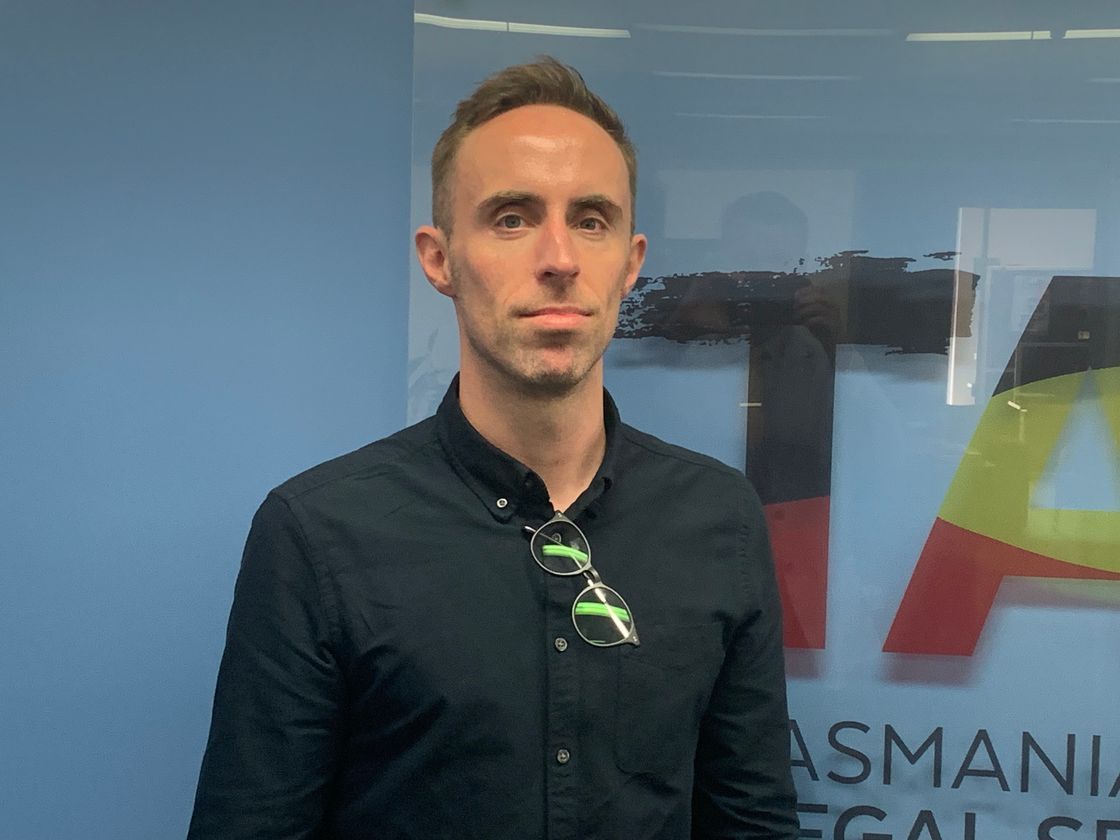
Tasmanian Aboriginal Legal Service chief executive Jake Smith said the Tasmanian Government "cannot continue to excuse these conditions as routine".
"Lockdowns have become normalised across prisons, significantly affecting wellbeing, rehabilitation, family contact, and cultural connection," Mr Smith said.
"Lockdowns are not just an operational issue. They are a cultural and human rights issue.
"Isolation cuts Aboriginal people off from family, community, and culture, compounding trauma and undermining rehabilitation."
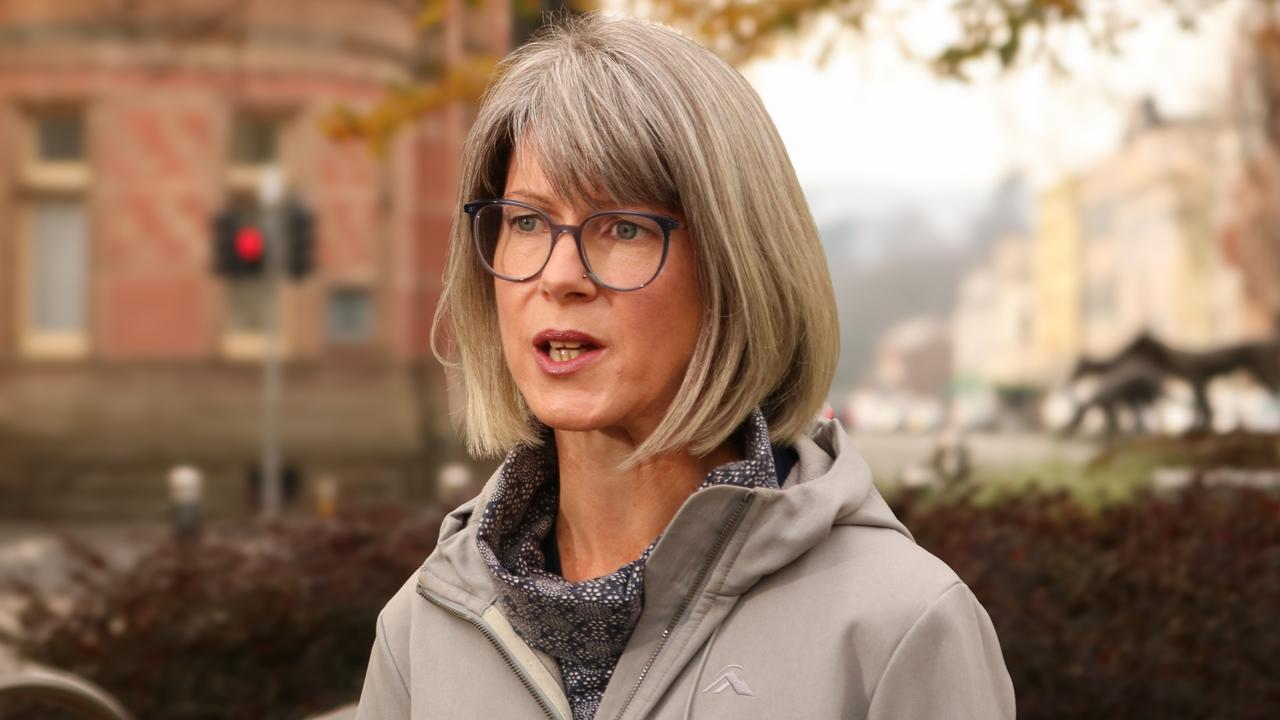
The Greens echoed TALS' concerns, saying the Custodial Inspector's Annual Report "should be a wake-up call" for the Tasmanian Government, arguing the state's "ineffective 'tough on crime' agenda" should be abandoned in favour of a therapeutic, restorative justice system which is based on evidence.
Greens Corrections spokesperson Cecily Rosol said for the third year in a row, the average out of cell time for people in Tasmanian prisons has decreased to as low as 2.8 hours.
"This is likely to continue to mean Tasmanian prisoners are given the least amount of time out of cells in the country," Ms Rosol said.
"Keeping people in their cells for most of the day is unacceptable and cruel. It has detrimental impacts on the welfare of people in prison and reduces their ability to rehabilitate."
Serious mental health concerns
The Custodial Inspector's report indicates there were 211 incidents of self-harm involving 96 people in custody during the 2024-25 period.
TALS said a lack of adequate mental health infrastructure, including a crisis support unit combined with extended lockdowns, increases risks for Aboriginal prisoners, many of whom have experienced intergenerational trauma.
Mr Smith said TALS is also concerned about the increasing number of Aboriginal women in custody.
"National data shows Aboriginal and Torres Strait Islander women are imprisoned at a rate of 535 per 100,000, up from 511 the previous quarter," the Palawa man said.
"The steady rise in Aboriginal women behind bars is not about increased offending. It is about systemic failure.
"Overcrowding and punitive practices in women's prisons, along with the erosion of trauma-informed and culturally safe approaches, are harming Aboriginal women.
"Too many are being criminalised for surviving violence, poverty, and trauma, instead of being supported through culturally safe, community-led services."
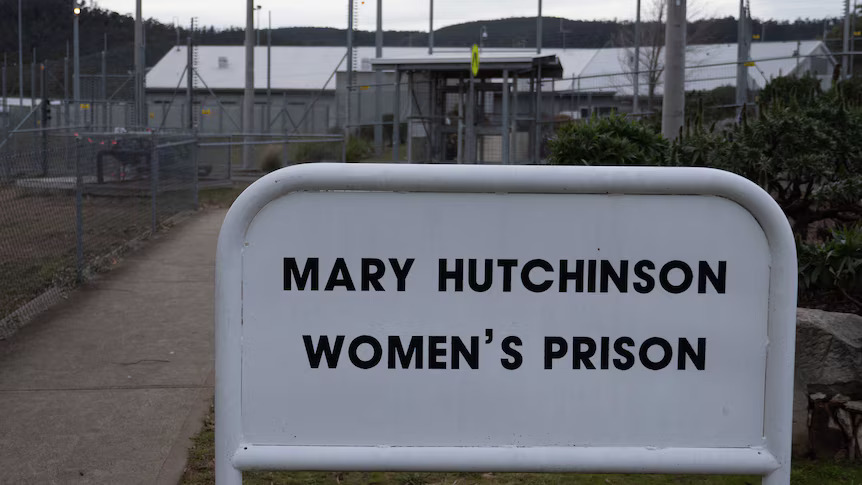
Ms Rosol said increasing numbers of women in prison has created a shortage of accommodation in the Mary Hutchinson Women's Prison.
Last week 21-year-old Chelsea Bracken was transferred from the Mary Hutchinson facility to the Royal Hobart Hospital in the early hours of Saturday, 25 October after suffering a "serious medical emergency," according to the Tasmanian Prison Service.
The Wiradjuri woman, who was being held on remand, died two days later.
"It's led to double bunking, the use of decommissioned units and temporary housing within the Hobart Reception Prison - in eyeline and hearing of males detained in the prison," Ms Rosol said.
"This isn't the therapeutic or trauma-informed approach to justice that people in correction facilities need.
"For women, many of whom are victim-survivors of family violence, these circumstances could be deeply traumatising."
Challenges continue at Ashley Youth Detention Centre
Dr Davies said the number of monitoring activities at Ashley Youth Detention Centre (AYDC) has increased "from several times a year to twice a month".
"This increased presence has identified some concerns, including isolation of young people due to low staffing and the impact of low staffing levels on those who work at AYDC," he said.
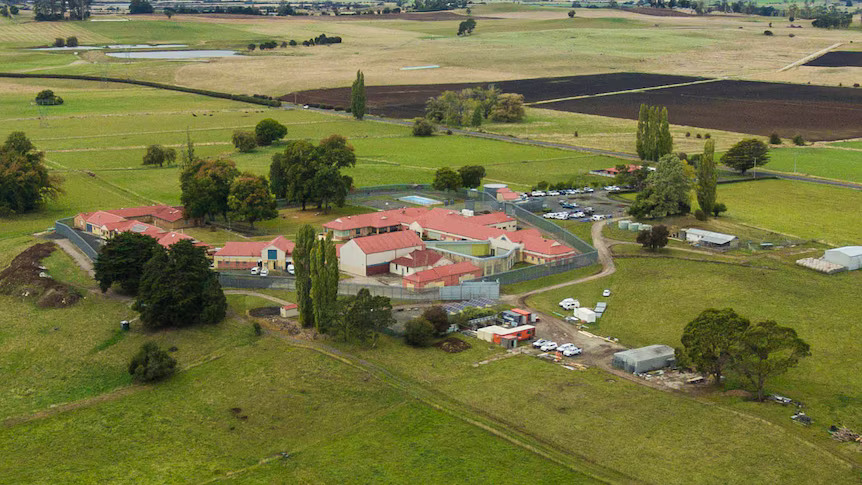
Mr Smith criticised the treatment of young people at AYDC, saying they face "similar challenges" to those held in the state's correctional facilities.
"TALS stresses that youth justice reform must be Aboriginal-designed and community-controlled, not merely a policy promise," he said.
"TALS calls for immediate action to address chronic staffing shortages and excessive lockdowns, guaranteed access and an increase in Aboriginal Wellbeing Officers who provide wellbeing and cultural support."
Need for further reform
Dr Davies said in 2024-25, the Office of the Custodial Inspector published seven review and inspection reports covering improved treatment of people in dry cells, increased access to voting in prisons, greater scrutiny of the placement of children in adult prisons and the highlighting of systemic issues in the provision of health care while in custody with a range of recommendations for improvement.
"In the coming year, we will continue to work with the State Government, in particular the Department of Justice / Tasmania Prison Service; and the Department for Education of Children and Young People / Ashley Youth Detention Centre to build on these improvements," Dr Davies said.
Mr Smith said a greater investment in Aboriginal-led early intervention, diversion, and trauma-informed programs, including Bail Support are essential for the Tasmanian Government to make a difference, reduce the impact of the justice system and to make communities safer.
"The punitive approach is not working, this is clear," he said.
"The State cannot continue to rely on data and reports that say the same thing and repeat the same warnings year after year.
"Without Aboriginal voices leading reform, the cycle of imprisonment, trauma, and disconnection will only deepen.
"Tasmania must act now to meet its human rights obligations, protect the cultural and social wellbeing of Aboriginal communities and to make the Tasmanian community safer."
Tasmanian Minister for Justice, Corrections and Rehabilitation, Guy Barnett, told National Indigenous Times the Tasmanian Government is taking action to address matters raised in the Custodial Inspector's report.
"We fund a range of supports for Indigenous people across the justice system, including direct funding for TALS to employ Aboriginal Wellbeing Officers," Minister Barnett said.
"The Tasmanian Prison Service takes a trauma-informed approach, with set processes in place to support the mental health and wellbeing of inmates.
"Our Government also invests in numerous programs for early intervention and diversion away from prison."



