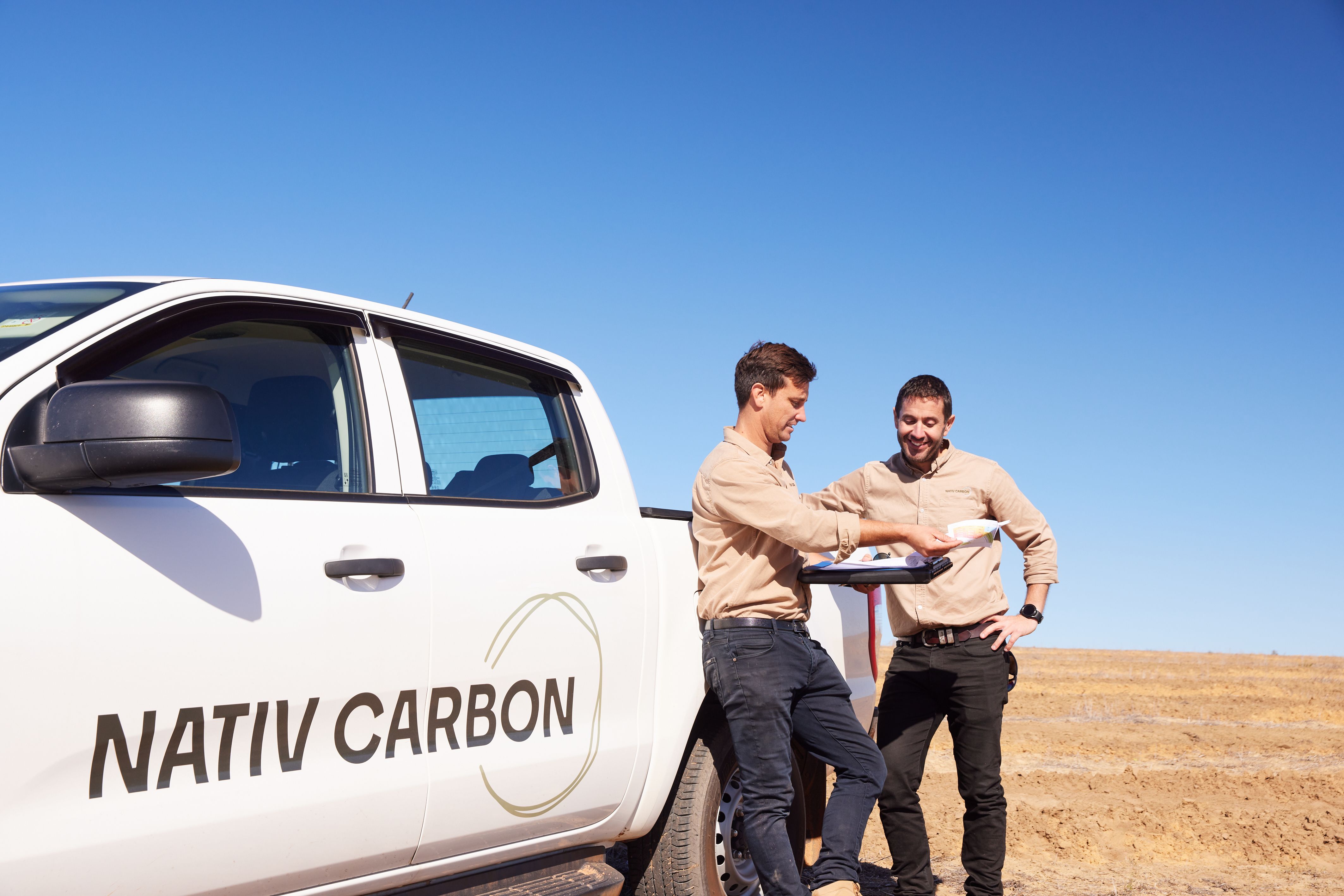
First Nations workers will make up around a quarter of the staff employed to deliver one of Australia's largest ever biodiversity plantings in the Midwest region of WA.
Perth-based company Nativ Carbon has just commenced planting 2.6 million native plants across more than 5,400 hectares near Coorow, in Western Australia with 25 per cent of the 50 staff employed on the project Indigenous.
Nativ Carbon – which enables industry to deliver its decarbonisation commitments in WA, through environmental plantings of plants – subcontracted some of the work out to two Indigenous companies: Moora-based business Gambara which hired local Yued people and the Badgebup Aboriginal Corporation from Katanning.
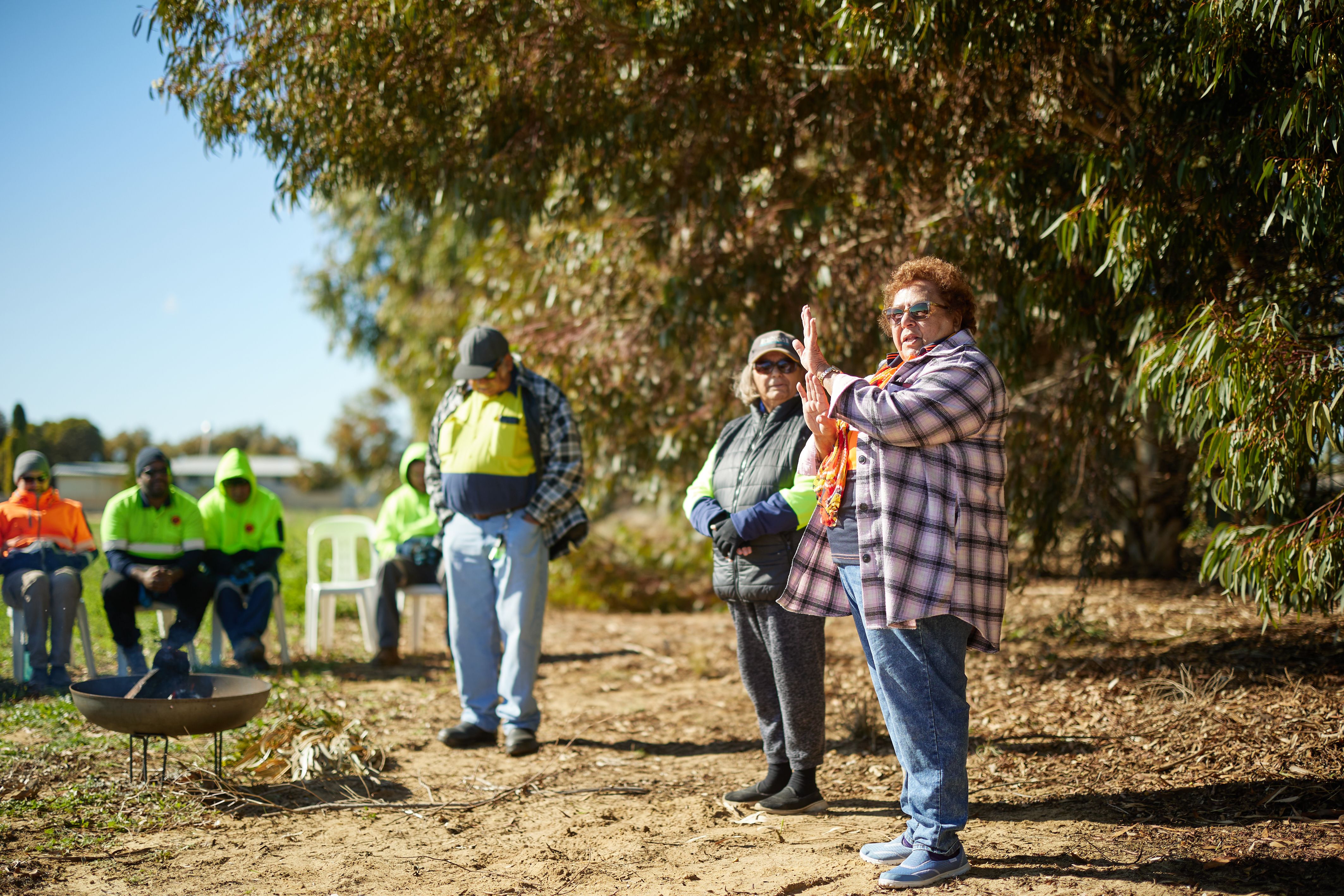
The planting kicked off recently with a Welcome to Country event attended by Yued elders including Colin Headland, June Headland and Beverley Port-Louis.
Ms Port-Louis helped recruit several Indigenous workers from the Moora region.
She hoped First Nations families in Moora continued to join Nativ Carbon's planting crews for many years to come.
"Nativ Carbon's work in Coorow this year and Moora last year was a good opportunity for the Yued community to participate in regional employment and learn new skills in carbon farming," she said.
Nativ Carbon director Matthew Oswald said the company continued to hire as many local First Nations people as possible for the large-scale planting projects.
"This provides an important boost for regional and Indigenous employment," he said. "We are very much invested in this industry and region. We plan to grow our capacity each year and it remains our intention to genuinely offer long-term employment for Aboriginal people."
"This project builds on last year's planting nearby. For some workers who returned to review last year's planting around Moora, you can see the 2022 seedlings have grown well.
"For those of us involved, there is a huge sense of pride."
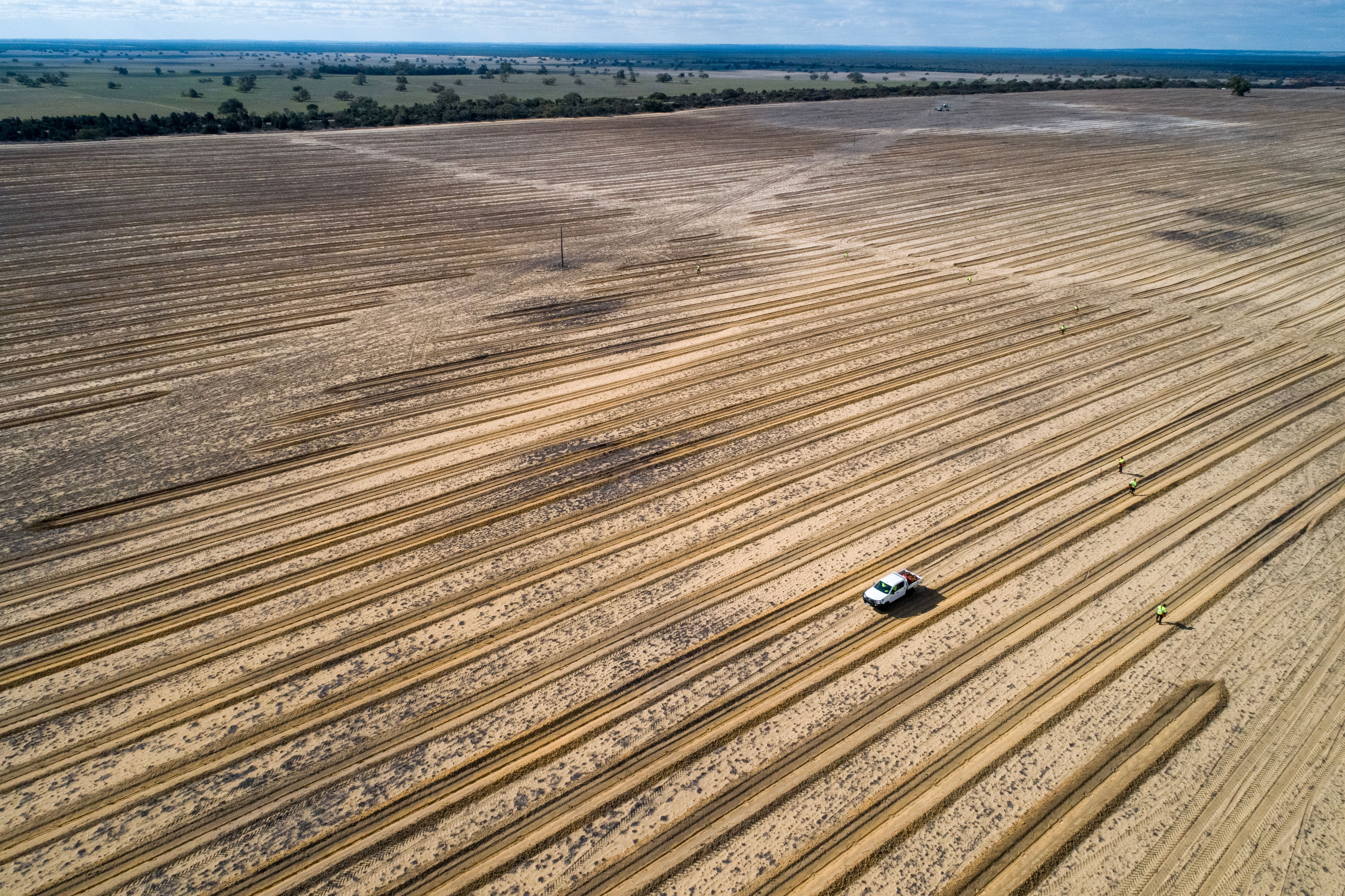
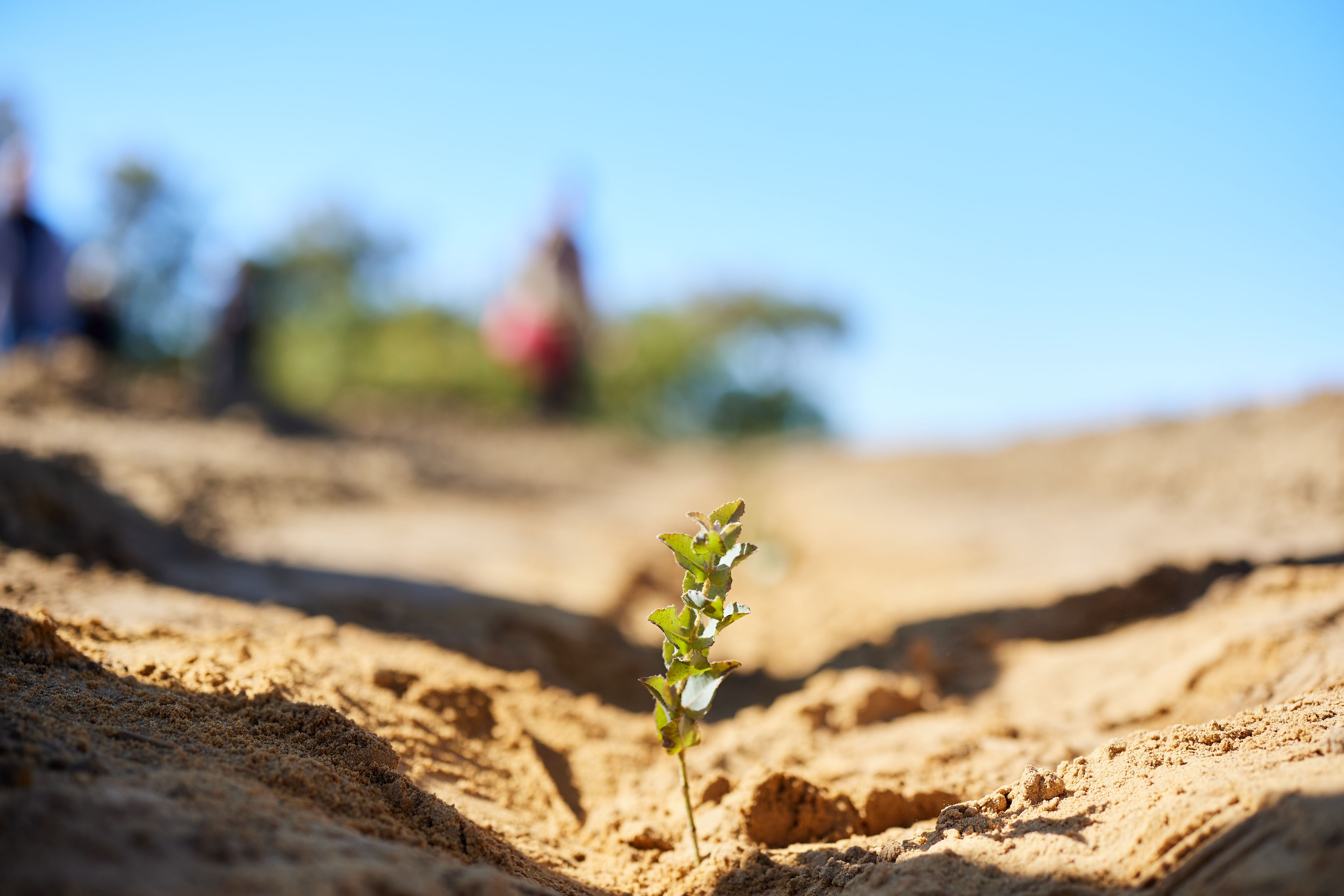
Nativ Carbon Director David Lullfitz, said a vast array of biodiverse plants – including Melaleucas, Banksias, Hakeas and Woody Pears, would be used on the project.
"This will foster biodiversity and habitat restoration in WA's Wheatbelt," he said.
"Importantly, Banksias feature prominently because they are a major source of food for endangered Carnaby Cockatoos which frequent the area.
"Woody Pear is iconic to the region and special effort was made again to collect the seeds nearby populations."