



Australia is facing a mental health workforce crisis that disproportionately affects Aboriginal and Torres Strait Islander communities, a leading Indigenous mental health service warns.
Wakai Waian Healing - a 100 per cent Torres Strait Islander-owned psychology and counselling service based in Queensland – notes that while First Nations people comprise nearly four per cent of the population, less than one per cent of registered psychologists identify as Aboriginal or Torres Strait Islander.
Wakai Waian Healing says the result is a mental health system that is "often culturally unsafe, inaccessible, and ineffective for those who need it most".
The 2023 Close the Gap Report reaffirmed that social and emotional wellbeing (SEWB) is inseparable from culture, community, and Country. Yet it also showed that Aboriginal and Torres Strait Islander people continue to face higher rates of psychological distress, lower access to mental health services, and poorer health outcomes across every measure.
A 2022 Australian Indigenous Psychology Education Project (AIPEP) report made a clear recommendation: build the Indigenous psychology workforce through culturally safe education pathways, mentoring, and systems change. Without Indigenous psychologists embedded in services, the system cannot meet the cultural or therapeutic needs of First Nations peoples.
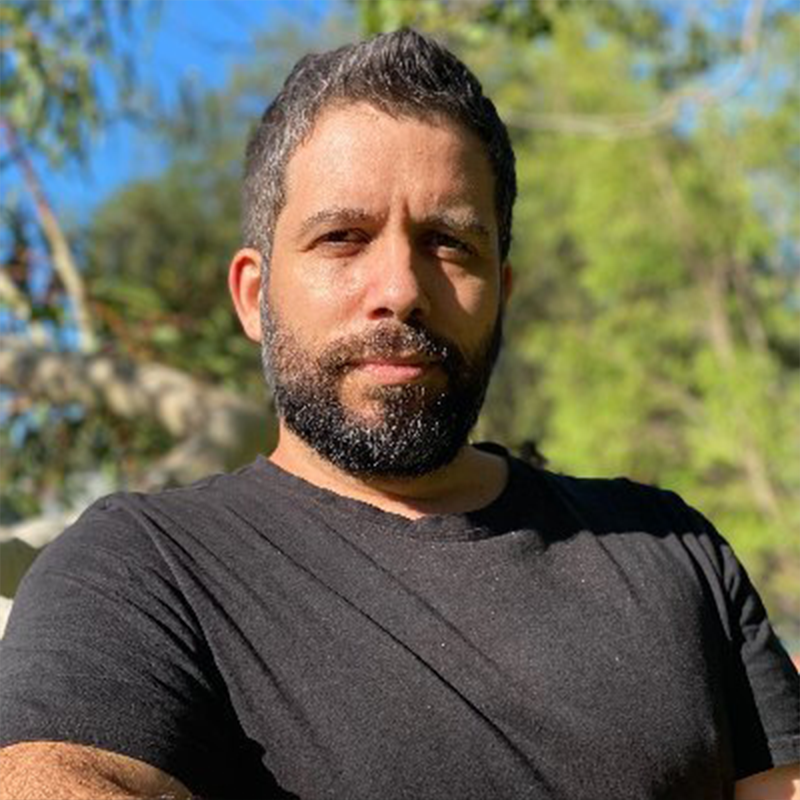
Jhai Bartley, an Iman man from the Chinchilla region with family ties to Gubbi Gubbi country, recently celebrated his three-year anniversary as a practitioner with Wakai Waian.
His journey into psychology began with a traditional clinical lens, but evolved into something deeper: "a culturally anchored, community-first practice rooted in spirit, story, and resilience".
"Palm Island is definitely very valuable to me. It's part of my heart and is a great privilege to be invited into their space," Mr Barltey said.
He is part of a growing group of Indigenous practitioners who are delivering evidence-based care and reshaping it through Indigenous worldviews.
"A lot of people have at least some cultural or spiritual framework. Allowing them to be open about it is game-changing when it comes to narratives and CBT," he said.
Wakai Waian Healing noted that working in remote communities takes its toll. Mr Hartley said it is important to strike a balance.
"You can burn the candle at both ends... but finding more time for self-care, family, and being a full person outside of work - that definitely helps," he said.
With eyes on general registration in the coming year, Mr Bartley is advocating for a new model of clinical work: one that "values cultural accountability, community connection, and personal wellbeing".
He noted the importance of supervision and mentorship, pointing to CEO and Senior Psychologist Ed Mosby and Senior Practitioner Joe Sproat as major influences.
"When I can get Ed for supervision, it's very valuable. Joe's feedback really helps - especially in understanding Indigenous perspectives and strengthening social and emotional wellbeing frameworks," he said.
The Wakai Waian First Nations Careers Pathway is designed to address what national reports are calling for: a supported, culturally safe pipeline for Aboriginal and Torres Strait Islander psychologists, counsellors, and social workers. Through professional placements, scholarships, and structured mentorship, WWH is growing "a new generation of Indigenous mental health professionals who can walk with both cultural and clinical authority", the service said.
Mr Mosby said Wakai Waian is "not just talking about workforce development, we're talking about cultural continuity, community empowerment, and systemic change". This reflects the Productivity Commission's 2020 Mental Health Inquiry, which recommended embedding Aboriginal and Torres Strait Islander leadership across the entire mental health system - and redesigning services around community-identified needs.
Wakai Waian Healing stressed that closing the mental health gap requires more than just increased funding - it requires First Nations-led solutions, noting that Mr Bartley's career represents "a case study in what works: cultural mentorship, safe pathways into psychology, and the power of community-centred care".
More information about Wakai Waian's First Nations Careers Pathway is available online.



