



The Yagara Magandjin Aboriginal Corporation has submitted an application to the Federal Government for permanent legal protection of Barrambin (Victoria Park).
The move aims to halt the Queensland Government's plan to build major Olympic infrastructure on the site, including a new stadium and aquatic centre.
Yagara Magandjin Aboriginal Corporation (YMAC) is supported by advocacy group Save Victoria Park, which has criticised the development and called for the site's cultural and environmental values to be preserved.
The application was made under Section 10 of the Aboriginal and Torres Strait Islander Heritage Protection Act, which allows the Commonwealth to intervene when a significant Aboriginal area is at risk of injury or desecration.
YMAC spokesperson and Yagarabul Elder Gaja Kerry Charlton said the site holds strong cultural importance.
"For we Goori people, Barrambin is living Country, possessing sacred, ancient and significant relationships within our cultural heritage systems," she said.
Ms Charlton said many were blindsided by the government's announcement.
"It was a complete shock when the Premier came out with his stadium plans," she said.
"He said the park would be protected from stadiums; I thought the park was safe.
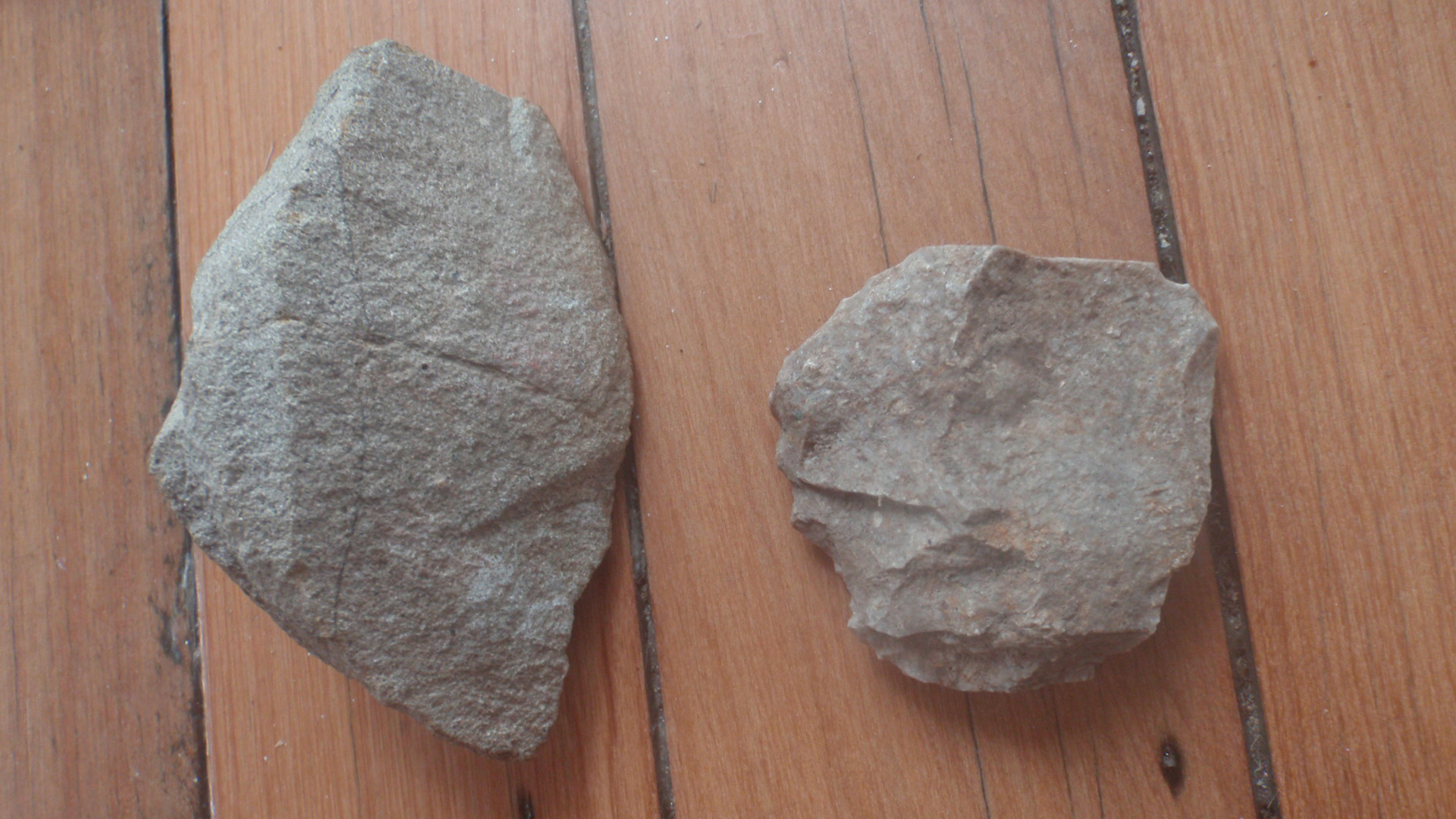
"Now the government wants to destroy it... we are very concerned there are ancient trees, artefacts and very important eco-systems existing there... there may be ancestral remains."
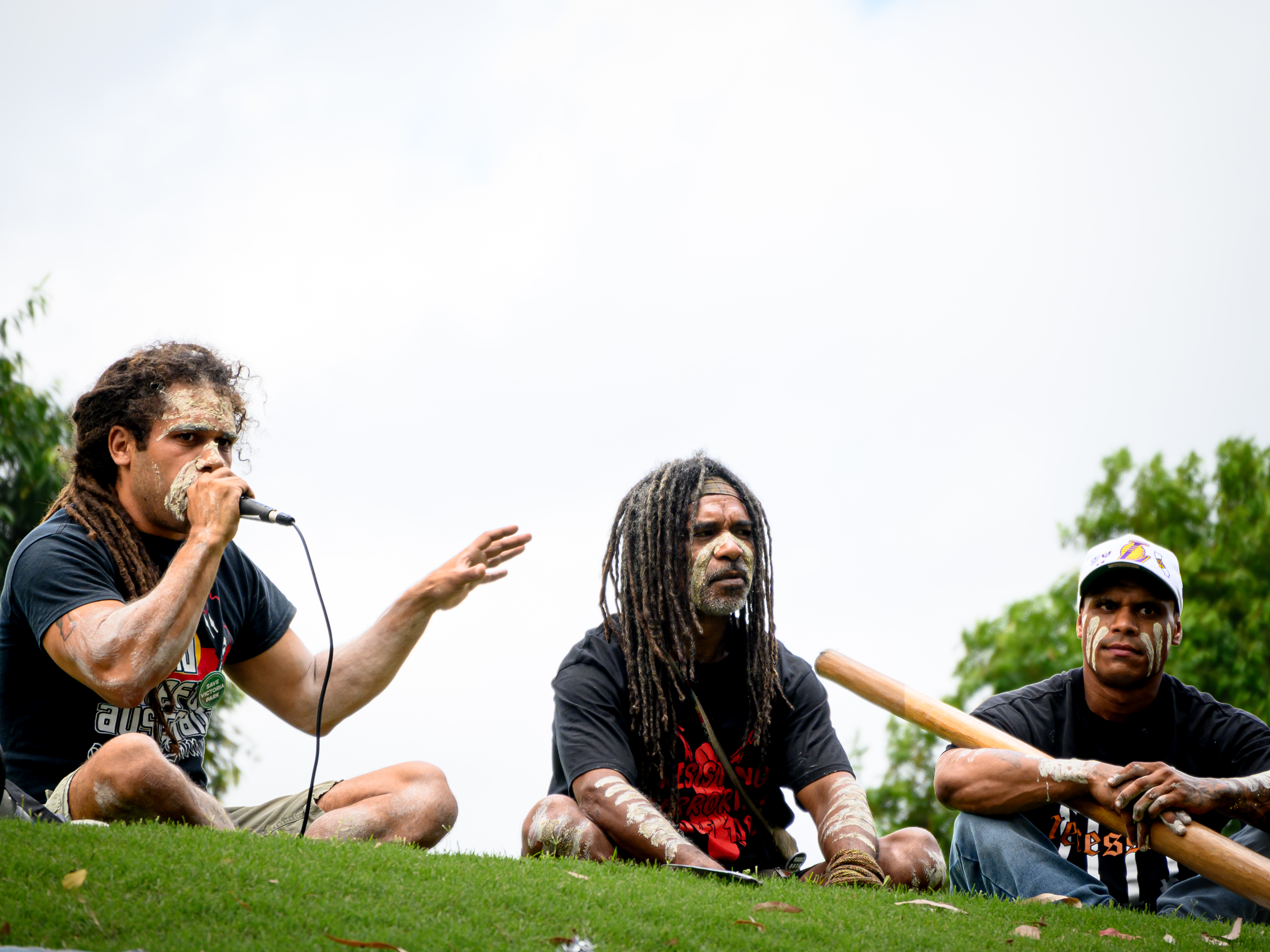
Barrambin is known as a site where Aboriginal communities have gathered for ceremonies, trade and social life for thousands of years.
These practices continued following colonisation.
A previous Brisbane City Council Master Plan for the 60-hectare park was developed through a four-year consultation process involving local Elders.
The plan aimed to restore waterholes, expand tree canopy, and create spaces for cultural learning.
Despite this, the Queensland Government announced in March its intention to convert the park into a 63,000-seat stadium precinct.
The proposal also includes a 25,000-seat aquatic centre, a warm-up track, and new infrastructure.
The decision reversed earlier promises to protect the park and excluded Elders who had helped shape the Master Plan.
Since the announcement, the government has advanced its redevelopment agenda by overriding existing environmental protections and limiting First Nations input under the Aboriginal Cultural Heritage Act.
Save Victoria Park spokesperson Sue Bremner said the project undermines previous commitments.
"Current proposals to raze and develop this park are wholly incompatible with previous promises of preservation," she said.
"We estimate the majority of the parkland and hundreds of mature trees will now be sacrificed.
Ms Bremner said the move also contradicts claims of Indigenous inclusion in Olympic planning.
"What type of signal does this send to the world, that we are willing to bulldoze our parkland, our rights, for a Games that was supposed to be sustainable?"
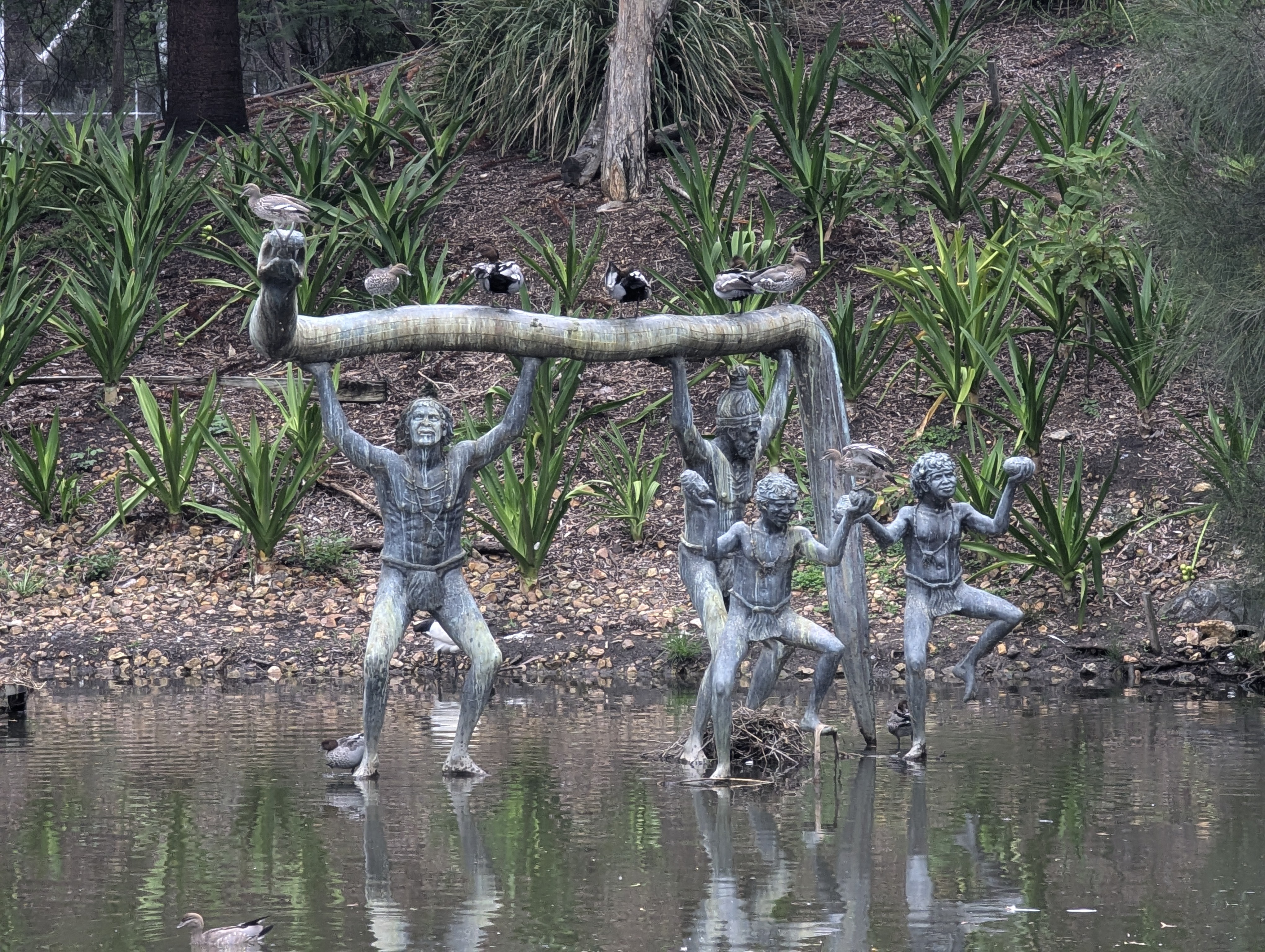
For the representatives of YMAC, this application is part of an ongoing commitment to protecting culture and environment.
"Once Victoria Park is gone, it's gone forever," said Yagara Elder Uncle Steven.
"We have so little left of our history, our culture, our social life that we cling to it.
"And we want to share that with non-Aboriginal people as well."
In a statement, a State Government spokesperson said the government was committed to "ensuring the Games deliver a generational infrastructure legacy across Queensland".
"The Crisafulli Government's new laws underpin the delivery of Games infrastructure on time, on budget, and with a clear legacy for communities beyond 2032," the spokesperson said.
"The new laws provide a bespoke process that recognises Aboriginal and Torres Strait Islander cultural heritage matters, incorporating engagement and consultation with relevant parties and preparation of a cultural heritage management plan."



