



Residents of a remote WA town displaced by historic floods feel no closer to returning home six months on from when the water subsided.
In January, livelihoods, infrastructure and homes were destroyed in Fitzroy Crossing where rose flooding as high as 15 metres.
The flooding collapsed the Fitzroy River Bridge, part of the only sealed road connecting Broome, 400km west of the town, the rest of the Kimberley and east into the Northern Territory via the Great Northern Highway.
Restrictive resources and distance away from major centres threw much of early response and crisis management onto locals working to savour what they could in the community.
Some of the same people who put up their hands remain in shipping container-like emergency accommodation, from Australian business Humanihut, provided amidst what they see as a stagnate rebuild.
Just metres from the local IGA supermarket, who continue to provide food packages to surrounding communities of displaced residents, numbers of people wait for answers and for construction to begin while living in the caravan park.
The struggle extends to surrounding communities just outside the town impacting local Aboriginal people.
Diane, 62, from Bungardi says the crisis accommodation is so limited of kitchen space she cooks outside.
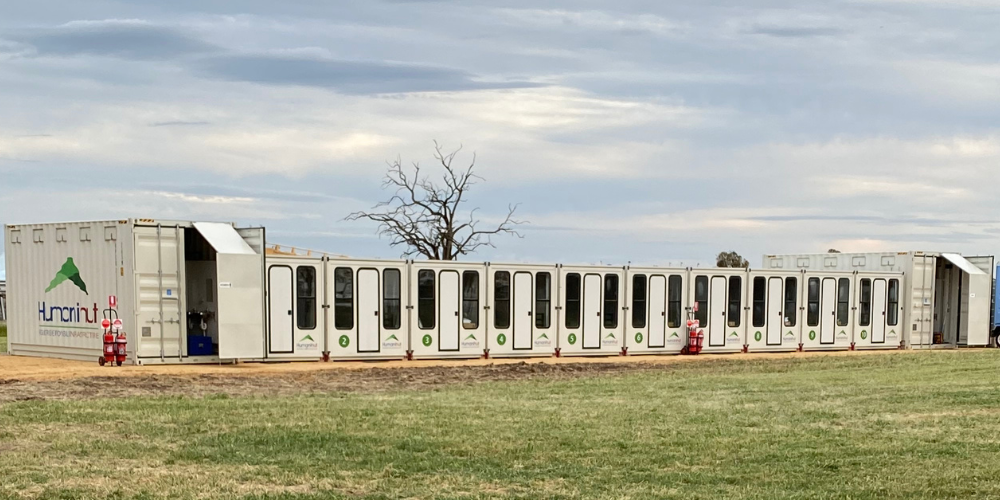
Entire families are cramped into a few square metres.
On the timeline restored housing, Diane told National Indigenous Times on July 21 "we haven't heard anything yet".
"We have no idea when (housing will be available)," she told National Indigenous Times.
"We're waiting. We haven't heard anything yet.
"We don't know how long it's going to be."
Diane was in Derby, on the coast in West Kimberley, at the time of the floods.
After a month separated from family she returned to Bungardi to find almost all of her possessions were stripped away. She was able to spend a period with family in a stilt house high enough to survive the floods before moving into her current situation.
The loss of driver's licence and documentation has made processes in restructuring life more difficult.
Diane remains thankful for the SES, government assistance and "purple shirt" Department of Communities personnel for their response at the time and finds solace in all those close to her surviving the floods.
Two young men passed in the months following the destruction.
A government assistance package was announced in March.
While the wait for secure housing drags on, WA Minister for Emergency Services Stephen Dawson said updates and information is available through the Department of Communities, though conceded the timeline to rebuild could stretch out for years.
Minister Dawson told National Indigenous Times the collapsed bridge, which isolated Fitzroy Crossing for a period after the floods, has slowed down getting resources into the town.
The old bridge is currently in use, allowing vehicles to cross via a major diversion in the town.
He said the short-term objective was getting people into shelter and fed, with the current plan to have "more culturally appropriate housing" before the wet season, and that a pipeline and national demand for interim accommodation has forced the Government "to get in the queue" in certain aspects.
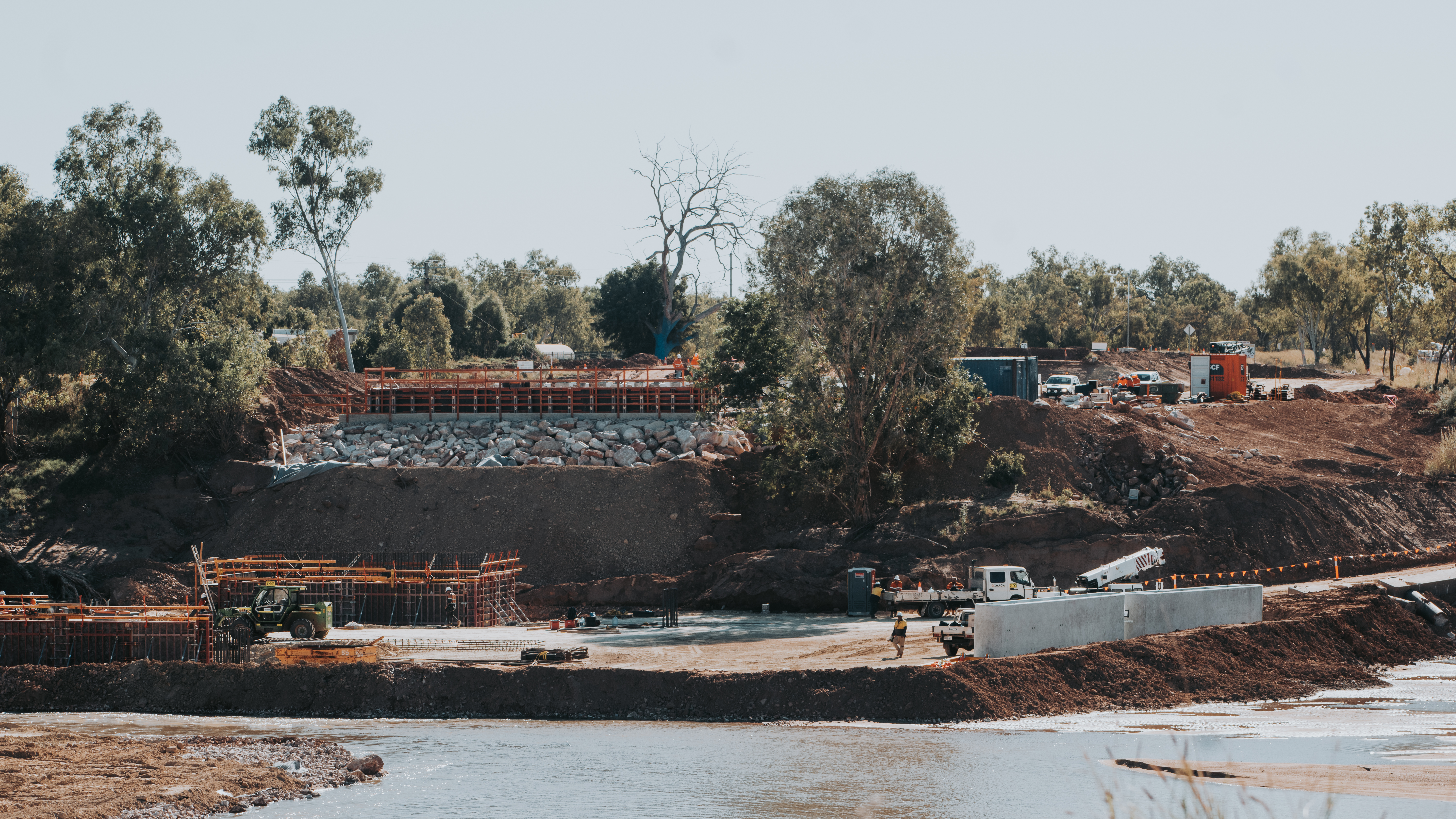
The Fitzroy River Bridge rebuild project through an alliance of construction groups Georgiou, BMD and engineering consultancy group BG&E is currently underway.
The alliance has employed local Aboriginal community members, some as custodians overseeing the work as it develops on country.
For those still in temporary accommodation, Minster Dawson said overcrowding issues are also planned to be addressed alongside getting permanent roofs over heads.
"We have got an opportunity to rebuild better," Minister Dawson told National Indigenous Times on July 21.
"Very soon the tenders will go out for the long term building. Rebuilding in places like Fitzroy is not not the easiest at the best of times. Houses that would probably cost $400,000 in the city, they will cost twice that up here," the Minister said.
"But they will be rebuilt...depending on when the builders can rebuild them."
Minister Dawson said businesses who took on costs during the flood response could recoup through the Disaster Recovery Funding Arrangements.
In mid-January, Wheatbelt Development Commission chief executive and former Shackleton Complex and Narrogin East Bushfires District Coordinator Rob Cossart was appointed State Recovery Coordinator to oversee the region bounce back.
Mr Cossart told National Indigenous Times a number of homes have been returned to habitual levels, with "approximately 48 homes that require either major refurbishments or complete rebuilds".
He said more than $250 million in State and Commonwealth funding has been injected so far to rebuild flood-impacted communities, homes and businesses.
"The works schedule is being finalised in consultation with impacted residents and communities."
He said the Department of Communities is on the process of engaging with locals to rollout cultural informed practice and employ local businesses for much of the rebuild.
Interim measures remain in place.
"Department of Communities has prioritised local businesses to complete the works. Working closely with community and Traditional Owners, the State Government has put in place a range of temporary residential accommodation options that meet the needs of the impacted individuals and communities," Ms Cossart said.
In addition to the Humanihuts, a refurbishment of the Derby Hostel, in partnership with Emama Nguda Aboriginal Corporation, has provided 38 beds for displaced residents.
Around Fitzroy, accommodation has been provided for future workers to arrive in the town.
"The awarding of contracts to carry out major property refurbishments and rebuilds has commenced and is expected to be finalised in the coming weeks," Mr Cossart said.
Temporary family-friendly housing is being provided later this year for residents who face an extended wait.



