


When First Nations entrepreneur Raphael Clarke first set up his company in 2020, he was shocked that the phone did not ring for the first six months.
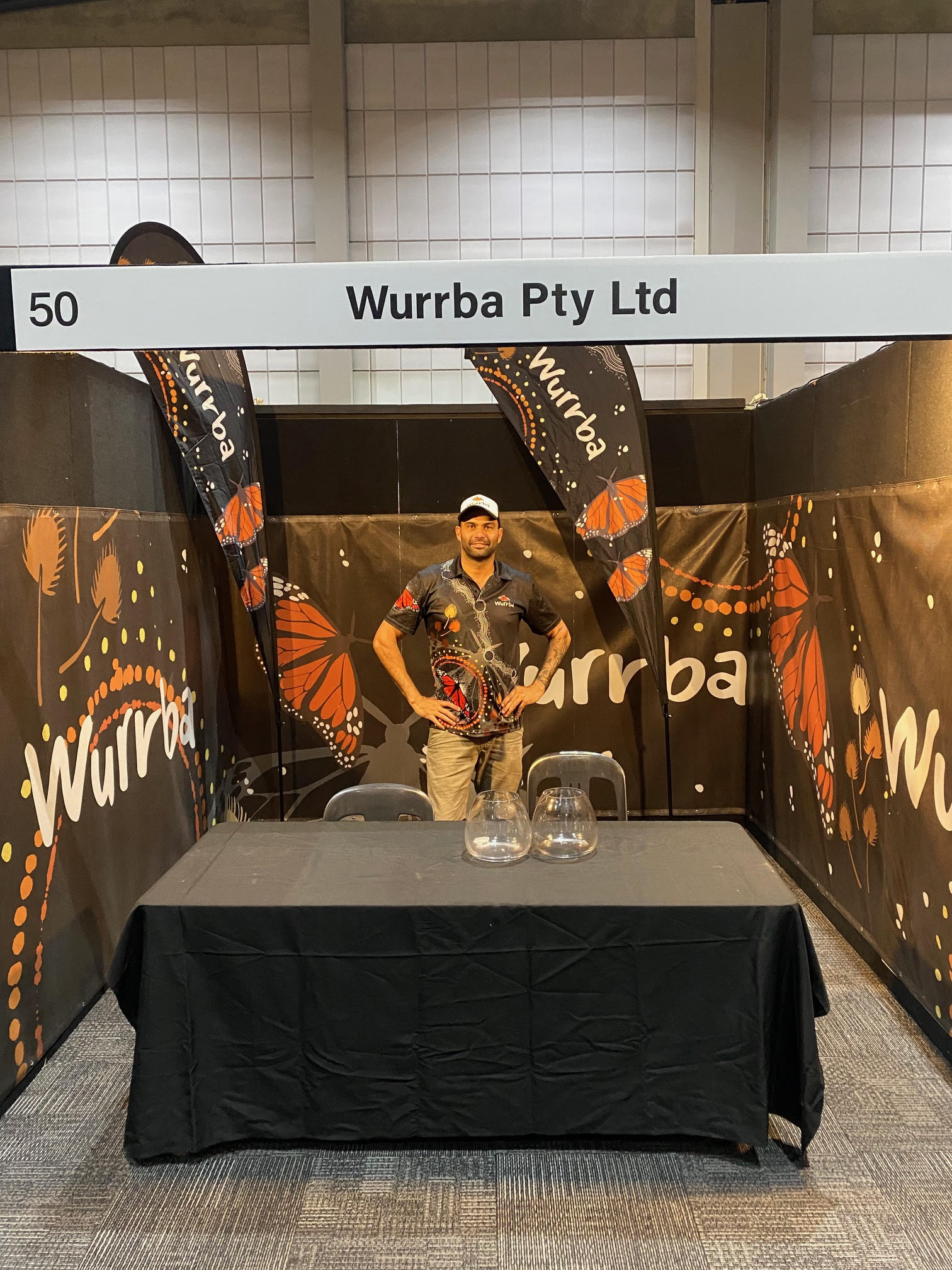
Mr Clarke co-founded the Darwin-based business Wurrba with born-and-bred Territorian David Lih, specialising in project management and construction, because he wanted to create real opportunities for Indigenous people.
He said many people think that if you open a business, contracts will come flooding in.
"Yeah, it was definitely stressful," he told The Indigenous Business Review.
"But I was quite lucky with my business partner because he was still running his own business, so I could do some carpentry work while still running around, advertising my business, applying for tenders and projects, and so on.
"I was working with a couple of other companies for a year or two, and then I saw the opportunity to grow and start my own indigenous project management business."
The proud Marri Amu, Marri Tjevin, and Larrakia man named his company Wurrba after the skin name bestowed on him by the Marri Amu and Marri Tjevin clans of the Moyle River floodplains.
Since those early teething days, Mr Clarke's business has gone from strength to strength, winning several defence contracts and expanding his Indigenous workforce.
While he's excited about taking on more defence work, he wants to expand into private and other government projects, including remote residential building and maintenance.
Despite the business's growth, the 40-year-old's philosophy hasn't changed: he wants to create genuine employment, training, and long-term career pathways for Indigenous people across the Territory.
"I think that's the best thing about our business for other businesses as well, and you know, territory businesses, but also all the indigenous businesses.
"Our number one priority is finding Indigenous companies to work with," he said.
"We might work with three or four different companies that are Indigenous-owned.
"There might be only three or four Indigenous lads in our office at the moment, but all the projects we work on and the companies we work with are all Indigenous companies."
The former AFL player, who spent nine years with St Kilda, said that being an elite athlete gave him the confidence to start his own business.
But he had already planned for life after footy at the end of his playing days by training to be a carpenter.
"The main thing I didn't want to do was to just rely on football for my whole career," he said. "So that one made me want to be on the tools and learn how to trade myself.
"I don't think being a former player helps you win work, but it definitely gave me the confidence to start the business because I'm used to talking to people and being out there."
Mr Clarke's company was the first business in the Top End to offer advanced laser surface-cleaning technology in the Territory, supported by the Northern Territory Government's Advanced Manufacturing Ecosystem Fund.
Not only will the new technology mean businesses in the NT won't have to engage interstate or overseas suppliers, but laser cleaning is also faster, cleaner, and more environmentally friendly than traditional blasting.
The game-changing technology will also enable Wurrba to upskill staff and employ more First Nations people.
"Of the boys I've trained up on the lasers, four of them are Indigenous boys as well," Mr Clarke said.
"A new Indigenous seafood company started up in the Territory a few months back, and we put the flooring for their cool rooms last week. So hopefully we can continue the growth and bring on some more Indigenous First Nations staff as well.
"We want to keep helping other Territory businesses when we win the projects and help us deliver the works, and we'll grow together."
The Northern Territory Indigenous Business Network board member said that, despite running a company for less than six years, he's already learnt valuable lessons.
While reaching out and talking to mob was critical, Mr Clarke said the main thing he probably would've done differently was to seek more grant support.
"Maybe not using money out of your own pocket and using your savings and stuff like that," he laughed.
"But maybe if I invested in a warehouse or an office, that would have been another one, so I'm hoping to purchase our own commercial office space in the next few months."
"But being part of the NTINB (Northern Territory Indigenous Business Network) allows you to meet all these other businesses, catch up, and discuss what you can use each other for and the types of work and projects you can work together on."
And his advice for any young First Nations people wanting to go into business? Don't be afraid to make that first phone call.
"I think the main thing is that people need to understand which area they want to get into and be aware of the support they can get these days from all the different businesses out there to help with their funding and set-up," he said.
"There is help for you to set up businesses or help you get certificates here and there and different training facilities, so people should chat with as many people as possible.
"Just back yourself and make that first phone call, because it is the hardest one."



