



Derbarl Yerrigan Health Service and the Heart Foundation have announced a partnership aimed at improving the heart health of First Nations people.
The partnership, announced Tuesday, will reintroduce the Derbarl Yerrigan Heart Health Program in Western Australia, focusing on cardiovascular disease prevention, rehabilitation, and continuity of care for Aboriginal people accessing DYHS services.
In Western Australia, heart disease remains a leading cause of illness and death among First Nations, who experience cardiovascular disease at significantly higher rates than non-Indigenous Australians. Experts say a culturally appropriate program is necessary to support First Nations people prevent and/or manage their experiences with heart disease.
Heart Foundation Western Australian General Manager, Dr Helena Viola, said DYHS would deliver the program with financial support from the Heart Foundation.
"It's not right that Western Australia's First Nations people experience heart disease at higher rates and earlier ages than non-Indigenous Western Australians," Dr Viola said.
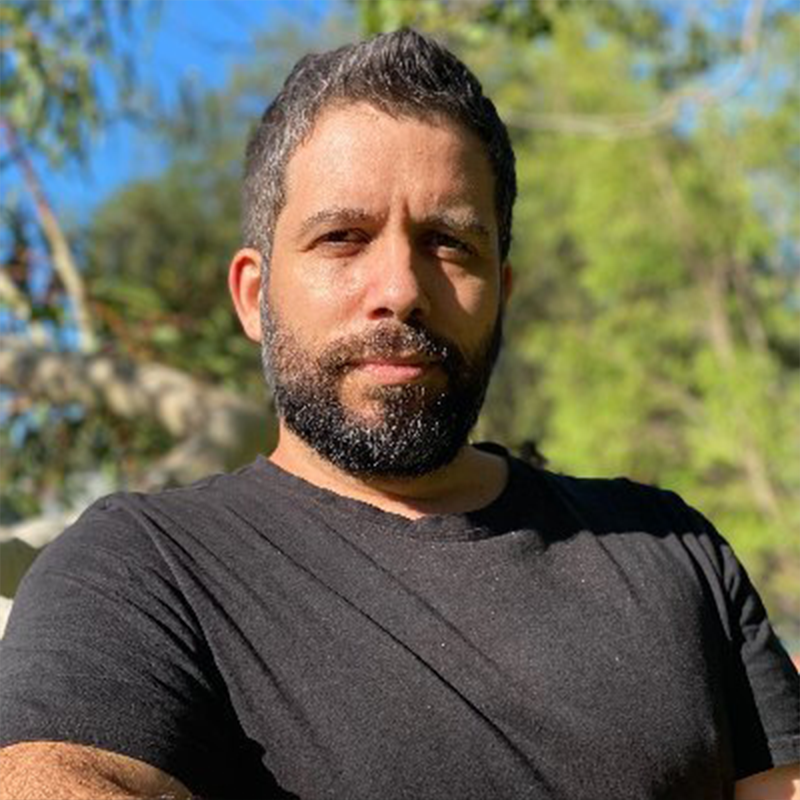
Derbarl Yerrigan Health Service Acting chief executive, Dr Daniel Hunt, welcomed the partnership, highlighting its importance in delivering culturally appropriate care.
"The return of the Derbarl Yerrigan Heart Health Program will ensure our community and others receive the support they need to prevent and manage heart disease, delivered in a way that is respectful and empowering," he said.
Dr Hunt told National Indigenous Times the impact of COVID-19 on funding had seen the important program go into hiatus.
"In a partnership with the Heart Foundation over the next five years we are building the Heart Health Program up again," he said.
"The Heart Health Program means any patient with a cardiac disease, heart disease, heart failure… can get culturally appropriate, culturally safe heart rehabilitation under Derbarl Yerrigan's roof.
"Derbarl Yerrigan Health Service is a 51-year old Aboriginal medical service… servicing around 19,000 patients.
"We are very excited to have the relationship with the Heart Foundation to really help look after our heart care patients and our patients who need cardiac rehab."
Program participant Kathileena, 78, told National Indigenous Times she became involved in the Program when it originally started more than 20 years ago.
"We were doing heart education to start with, then we increased that to cover diabetes, exercise, and we also has specialists - speakers who came in from various places," the Yamatji woman said.
"We found it was really good for a lot of people, saved a lot of people.
"We had a hand-held ECG which saved one guy's life. He put his thumbs on the ECG machine and Ted (Dowling) realised that he had to go straight to a doctor and straight to hospital, and within 12 hours he had stents in his heart.
"It makes so much difference. We had an older lady, she was in her 90s, came in with a Zimmer frame shuffling away. Two years later – she came every week for over two years actually – she was coming in two years later striding; the Zimmer frame hardly touched the ground. It made a lot of difference to a lot of people."
The Heart Foundation and Derbarl Yerrigan will work closely with community members, health professionals, and policymakers to ensure the program's success and long-term impact.
Heart Foundation chief executive David Lloyd said the Derbarl Yerrigan Heart Health Program would help address the need for community-led heart health programs in the state.
"The heart health situation for Western Australia's First Nations people highlights the strong need for a self-determined and culturally appropriate cardiovascular rehabilitation program," he said.
"Such a program will support First Nations communities to prevent and manage heart disease in a culturally appropriate, community-led way."



