




The Tasmanian Aboriginal Legal Service says the state government's proposed bail bill will lead to more disadvantaged and vulnerable people detained on remand "in a struggling system".
It comes after Tasmanian Attorney-General Guy Barnett last week sought feedback on the bill which he says "seeks to modernise Tasmania's bail laws".
The proposed Bail Bill 2024 incorporates current bail laws into a single statute which the government says will improve transparency, providing a clear statutory framework for deciding when, or if, bail should be granted, and how that bail should be managed.
Tasmanian Aboriginal Legal Service chief executive Jake Smith says although the Tasmanian Government has committed to closing the gap, "in the same breath they are introducing legislation that will see the number of Aboriginal people in custody skyrocket".
"It (the bill) introduces an 'unacceptable risk' test that has been shown to have disastrous consequences in other jurisdictions," Mr Smith said on Wednesday.
"The 'unacceptable risk' test involves two steps – whether the defendant poses a risk of one of the four identified behaviours and whether that risk is unacceptable."
According to the government, the proposed Bail Bill 2024 addresses numerous matters. They include maintaining a general presumption in favour of granting bail that will be displaced if a defendant is found to pose an 'unacceptable risk'; introducing the new 'unacceptable risk' test involves two steps - whether the defendant poses a risk of one of the four identified behaviours, and whether or not that risk is unacceptable; and retaining an existing presumption against bail for crimes relating to murder and treason, or where the accused is believed to be a 'terrorism-linked person'.
The proposed bill also moves the specific provisions for bail in relation to family violence offences from the Family Violence Act 2004 to the new Bill; implements changes to bail laws recommended by the Commission of Inquiry into the Tasmanian Government's Responses to Child Sexual Abuse in Institutional Settings, specifically recommendation 12.14(a); and replaces the various tests for bail in the Justices Act 1959.
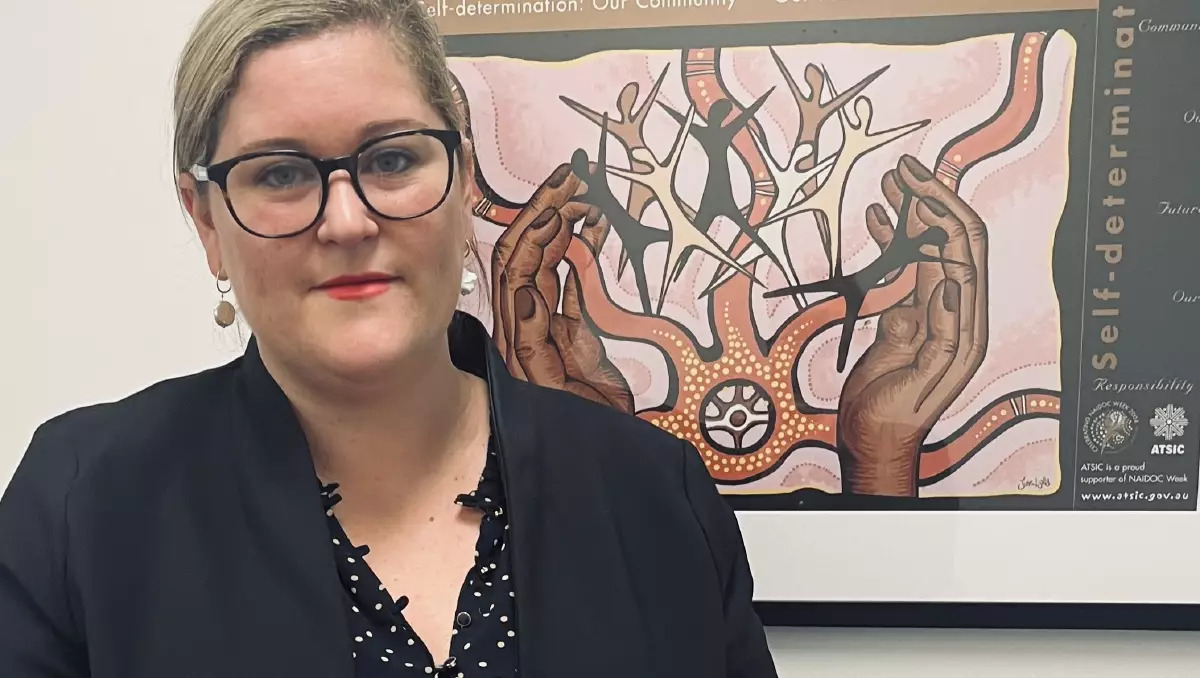
Mr Smith said while TALS is supporting of a clear legislative framework for bail considerations, the introduction of an 'unacceptable risk test' will see more Aboriginal people incarcerated "in an overcrowded system where there are significant delays in matters being resolved".
"Unlike Victorian legislation, the proposed Tasmanian legislation does not include any mandatory consideration of a person's Aboriginal descent," Mr Smith said, while highlighting the overrepresentation of Aboriginal people in Tasmaia's justice system.
TALS principal lawyer, Hannah Phillips, said the new bill in its current form has the potential to erode the presumption of innocence.
"It will also have indirect effects on pleas of guilty and sentencing outcomes," Ms Phillips said.
"It will place even more strain on a struggling system and disproportionally impact vulnerable groups including Aboriginal people continuing to entrench disadvantage."
Ms Phillips said while the protection of the public is important and the TALS understands the community's perception and concern, the organisation continues to see "vulnerable people with complex needs and significant disadvantage, failed by many systems, who are struggling and in need".
"Locking people are up in an overcrowded system where lockdowns are happening daily, there is little to no rehabilitative options is not protecting the public in the long term. It increases risk and will lead to deaths in custody," Ms Phillips said.
Mr Barnett said other Australian jurisdictions have moved to provide clear statutory frameworks for what a court should consider when granting bail, which if adopted in Tasmanian would "assist in making the law more accessible to the general community".
"We recognise that Tasmania's bail laws can be complex, in part due to the fact that the bail laws are spread across the common law and various pieces of legislation," Minister Barnett said.
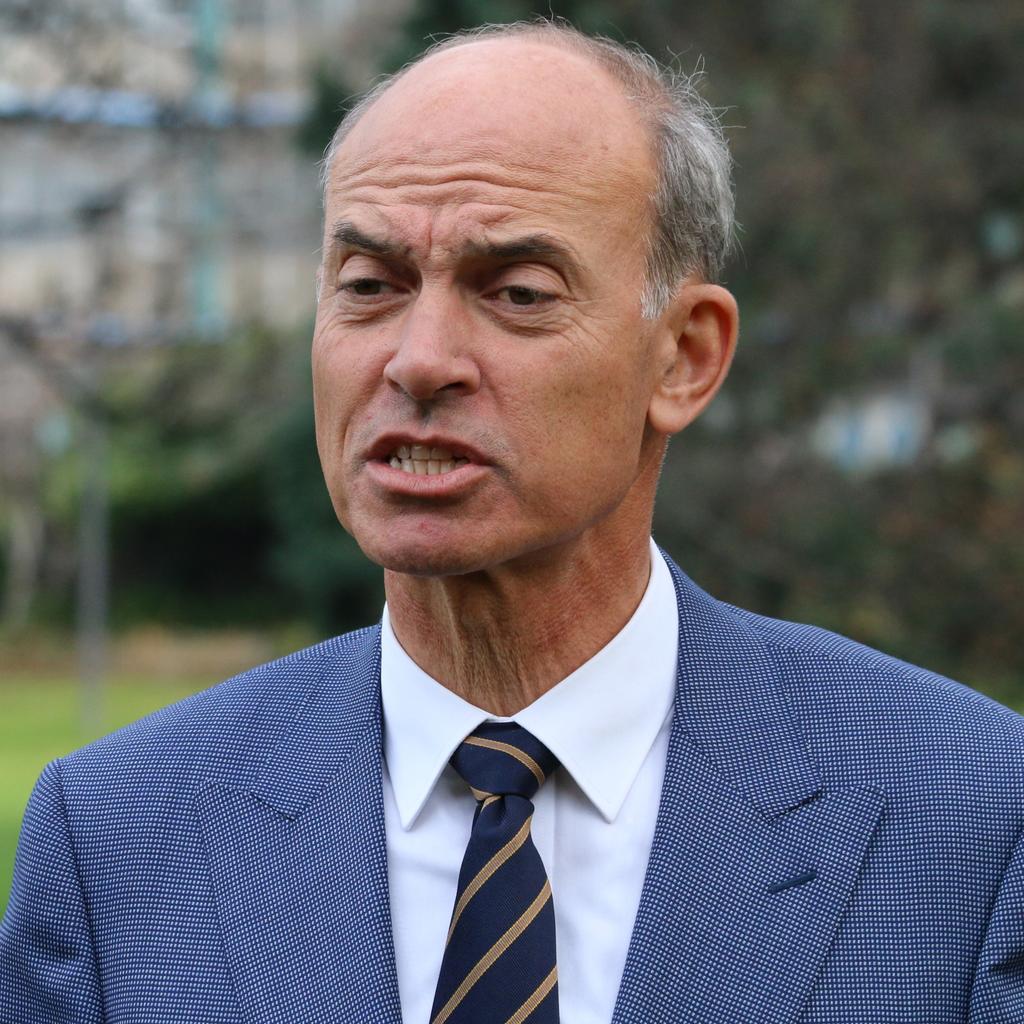
"The Bill also ensures that the safety of victims of crime, individuals and the community is taken into account when making decisions about the granting of bail."
TALS operates Tasmania's only Bail Support Program via a pilot out of Launceston, the future of which has been raised with the Attorney-General.
"We discussed this program with the Attorney-General as recently as last week as the pilot is coming to an end. There is no ongoing funding to support this program that has proven results, which were discussed," Mr Smith said.
"Extending this program statewide will not only benefit Aboriginal people on bail, but also see positive outcomes for community and for the state government."
Mr Smith said despite bail programs being successful across Australia, "the law-and-order response in this state puts us back in the dark ages compared to other jurisdictions".
"These programs are proven to work to protect communities and address risk," the Palawa man said.
"If jail worked, why is recidivism at an all-time high? And why are jails fuller than ever?"
The draft Bail Bill 2024, supporting information and details of how to provide feedback are available on the Department of Justice website.
Submissions on the bill close midnight on Sunday 2 February, 2025.



