



When the possibility of warfare on Australian soil posed an increasing threat as the Second World War spread across the Pacific, defence planners turned to First Nations people, traditional warriors, their cultural knowledge and skills.
The Northern Territory Specialist Reconnaissance Unit (NTSRU) was unit comprised of just over 50 Yolŋu men from Arnhem Land, a small group of Torres Strait Islander, Solomon Islands and non-Indigenous personnel.
Its establishment required a Makarrata peace-making ceremony between feuding clans, as explained by Aboriginal & Torres Strait Islander Veterans Association chief executive Joseph West, and played a little-known but extraordinary role in defence of Australia's northern coastline and response to Japanese forces invasion fears.
NTSRU undertook reconnaissance, surveillance and as coast watchers supporting Allied military operations.
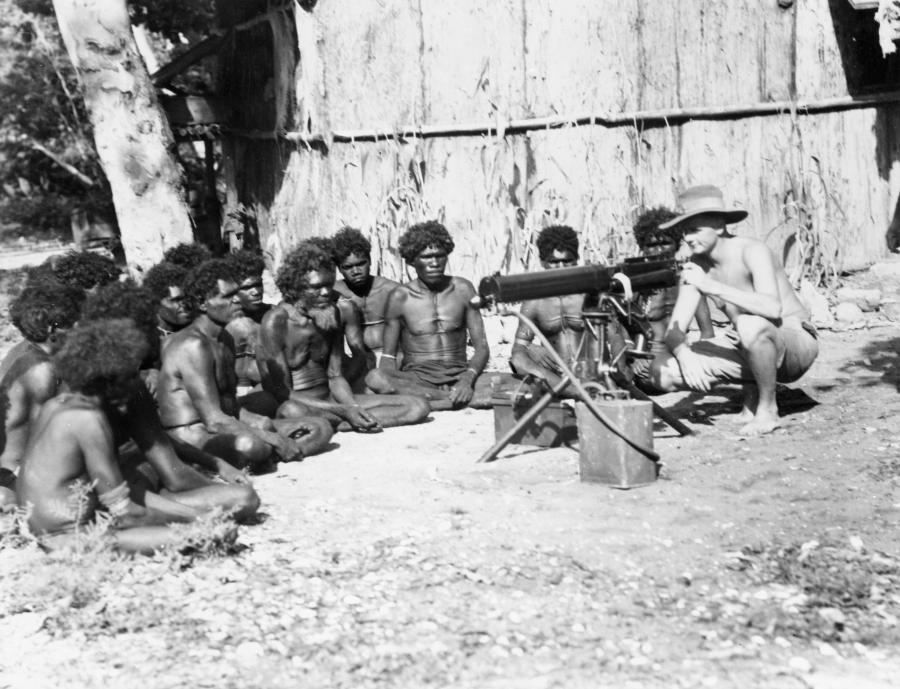
"Their job was to patrol remote coastlines, watch the enemy, watch for enemy activity, and if the Japanese landed, help defend Northern Australia by whatever means possible," Lieutenant Colonel West explained at a commemorative event this week.
"The Yolŋu men, already traditional warriors, were ready to go. They already had the knowledge and skills that were needed.
"They knew the land and the coastlines. They knew how to move across the country, find food and water observed without being seen, and survive in places where most soldiers were struggling."
The Department of Defence credit's the Unit as being the origin of today's NORFORCE (North-West Mobile Force).
If needed, the use of boomerangs and spears was part of the plans in place, Lieutenant Colonel West said.
"Indigenous knowledge and Indigenous warrior culture was a critical part of the defence of Australia at this time. Further north, other Indigenous Australians were fighting the Japanese directly," he continued.
Two of these soldiers were his uncles, Private George Leonard and Private Harold West, Muruwari men from Goodooga in New South Wales.
There are an estimated 15,000 living First Nations veterans.
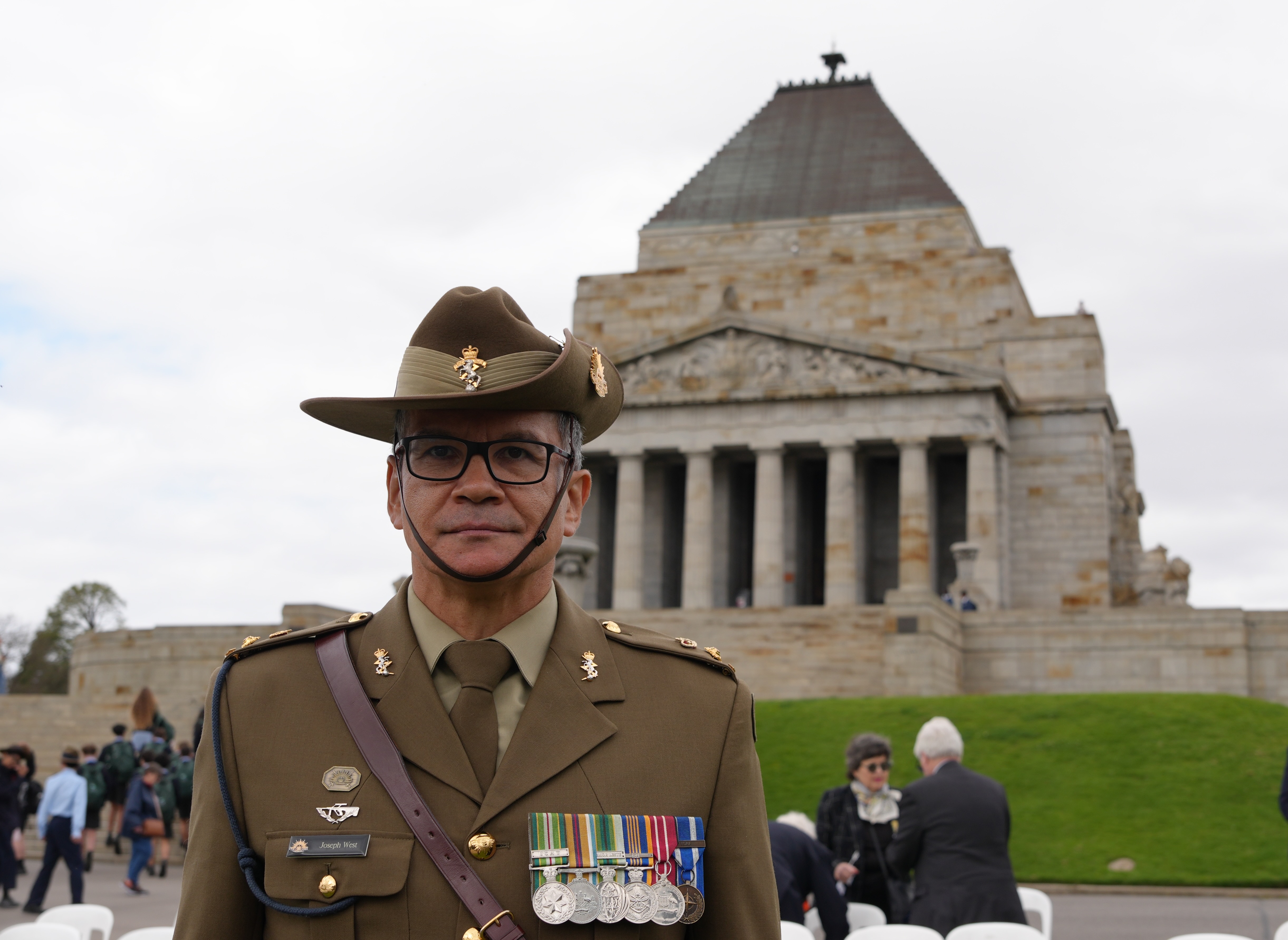
Lieutenant Colonel West is one of them, serving in the Australian Army for three decades between deployments in Afghanistan, Timor-Leste and the Solomon Islands, and continuing today as a reservist.
Battle for Australia Day is observed annually on the first Wednesday in September.
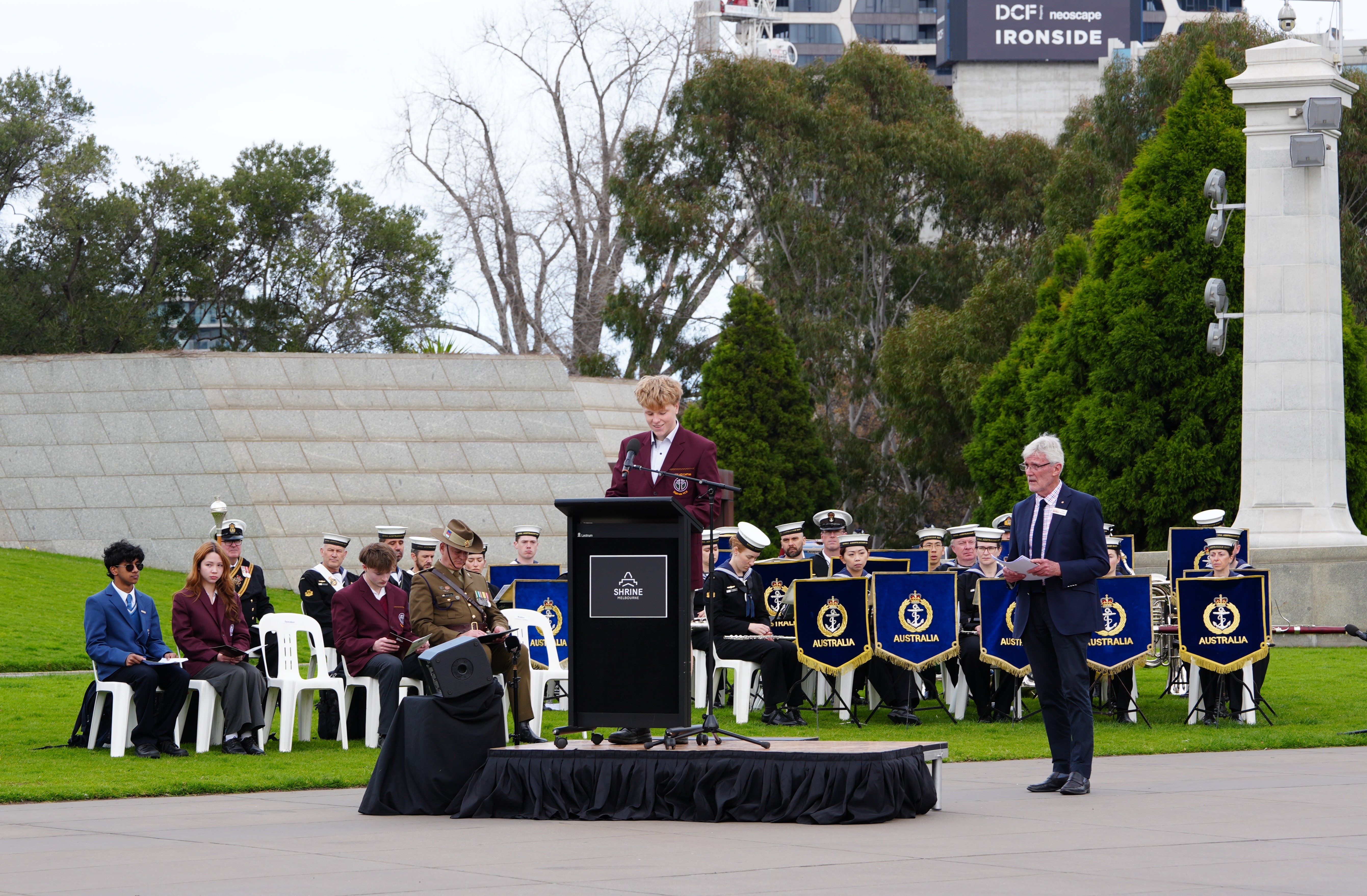
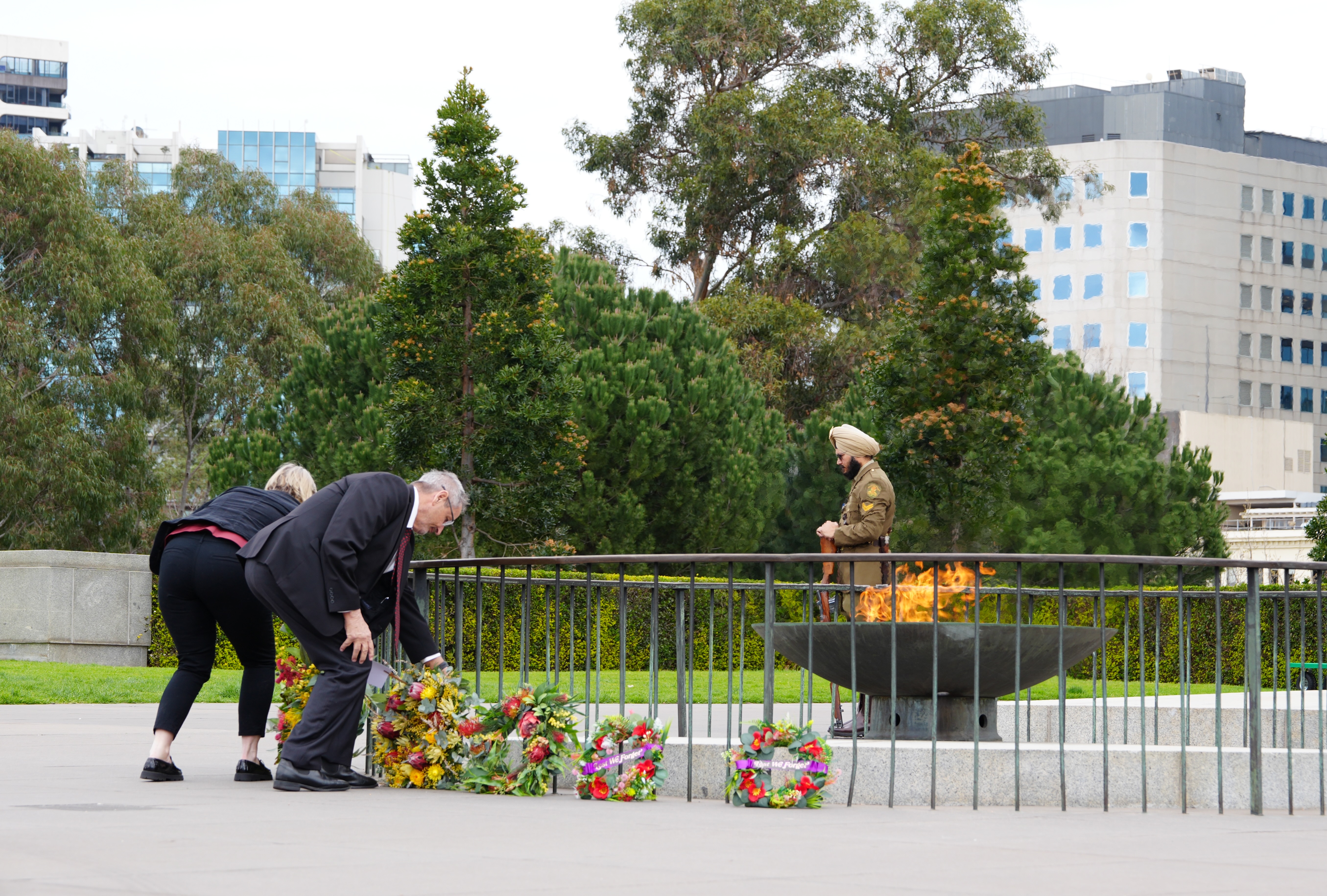
At the Shine of Remembrance on Boon-Wurrung/Bunurong Country in 2026, the contributions of Aboriginal and Torres Strait Islander military and defence personnel was specifically recognised.
It was noted on the day the acknowledgement is not about celebrating conflict, but acknowledging the sacrifices and efforts made.
Lieutenant Colonel West was the event's keynote speaker.
School students told stories of First Nations service personnel, including Air Force fighter pilot Len Waters and Kath Walker, who played an important surveillance role as an Australian Women's Army Service wireless operator stationed in Darwin.
The Battle for Australia Day was not a sole battle, but a period (1941-1945) and series of military engagements during the Pacific War, including the bombing of Darwin (February, 1942), air raids, enemy submarine sightings and other operations in Australia and along its coastlines.
"Here in Australia, people watched the coastlines and prepared for the possibilities that war might reach our shores. And Aboriginal and Torres Strait Islander peoples were a critical part of that defence," Lieutenant Colonel West said in his address to hundreds of school students, veterans, service personnel and others.
In overseas conflict to the north, Private Leonard and Private West gave their lives, lost just one month apart.
Gunditjmara man Reginald Saunder's story was also told on the day; the first identified Aboriginal soldiers to be commissioned to officer-rank in the Australian Army.
Lieutenant Colonel West recounted his story, enlisting in 1940 and going on to fight in North Africa and Europe, avoiding capture for almost 12 months after being left behind when Allied forces withdrew from Crete, and his return to duty in New Guinea, commanding a platoon there.
These men, and many others, displayed a 'moral courage', Lieutenant Colonel West said, not just in their duties, but in defending a country where they faced discrimination on return as First Peoples.
Indigenous service is not an attachment, or add-on to Australia's military history, he told National Indigenous Times, it's a core part of it.
"Every conflict that (Australian) defence has partaken in, Indigenous people have been at," he said.
It's time this contribution, and how important it remains was better known, Lieutenant Colonel West added.
You'd be forgiven for not knowing it, with a read of history books, he said.
"It's been a hidden story for so long, and now's the time to tell that story and tell it truthfully and to tell it exactly as it is."
"Unfortunately, there are some really unpleasant truths, but they're worth telling."
Lieutenant Colonel West acknowledged the efforts of non-Indigenous soldiers who were part of the stand against the unequal treatment experienced by Aboriginal and Torres Strait Islander service personnel.



