




Native Oz Bushfoods, an Aboriginal-owned native food and eco-tourism enterprise in Ropeley, Queensland, is voicing serious concerns regarding vegetation management conducted by ETS, a contractor for Energex.
The Goebel family, owners of Native Oz Bushfoods, allege that ETS's actions have adversely impacted culturally significant trees on their property, sparking a legal dispute that has garnered community attention.
Native Oz Bushfoods, registered in 2018 and incorporated in 2022, operates a native food farm focused on eco-tourism.
"Our properties are marked Eco-tourism because we've got a native food farm here," Ms Goebel said.
"We train and educate around some of the cultural values of our cultural foods and 'dos and don'ts'."
The farm is home to numerous native trees, which are integral to both their business operations and cultural practices.
On January 16, 2023, the Goebels encountered an ETS contractor actively spraying chemicals near their property boundary.
"We had a contractor pull up with his spray pump running," Ms Goebel recalled.
"We ran out there, yelling 'Stop!' I said please don't spray anything along our boundary; this is who we are, this is what we do."
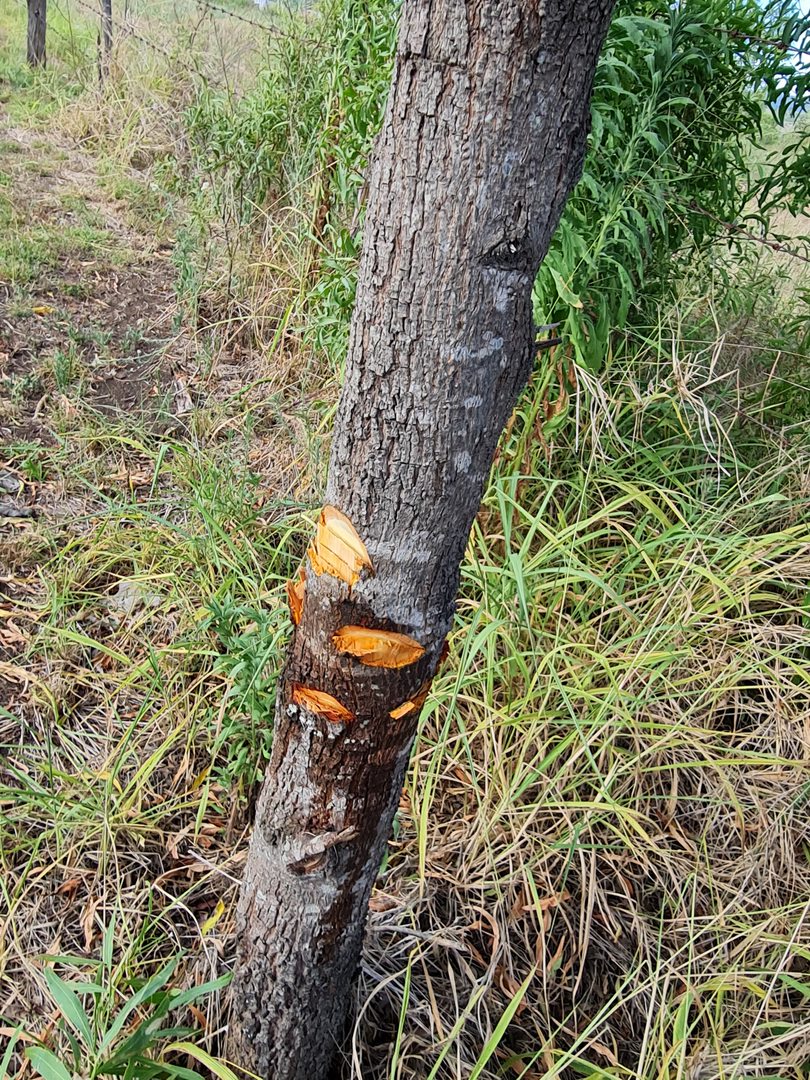
Despite their pleas, the following morning at 6 am, the sound of a chainsaw signalled further activity.
The Goebels allege the contractor's truck had returned, and the smell of chemicals permeated the air.
"We told him you have no idea about the chain reaction you've just caused," Ms Goebel stressed.
The contractor proceeded to stem-inject the sandalwood trees—a process involving the insertion of chemicals into the base of the trees.
"We sent our son to get 6000L of water to wash the poison away," she said.

Managers from ETS subsequently visited the property, identifying two trees on common ground and one sandalwood tree on the Goebels' side of the fence.
"The sandalwood these guys attacked has a one per cent oil content and a great fragrance for ceremonies and is used for calming babies," Ms Goebel explained.
The sandalwood trees (Santalum lanceolatum) on Native Oz Bushfoods' property are both culturally and economically significant.
These hemi-parasitic plants rely on a symbiotic relationship with host trees, such as wattle trees, to obtain essential nutrients and support their growth.
The wattle trees, exclusively located on the Goebels' property, serve as vital hosts for the sandalwood, enabling them to thrive and produce their valuable oils.
By cutting down the wattle trees with a chainsaw, ETS disrupted this crucial relationship, severely impacting the health and survival of the sandalwood trees.
The Goebel's estimate that 156 trees on their side have died due to the incident.
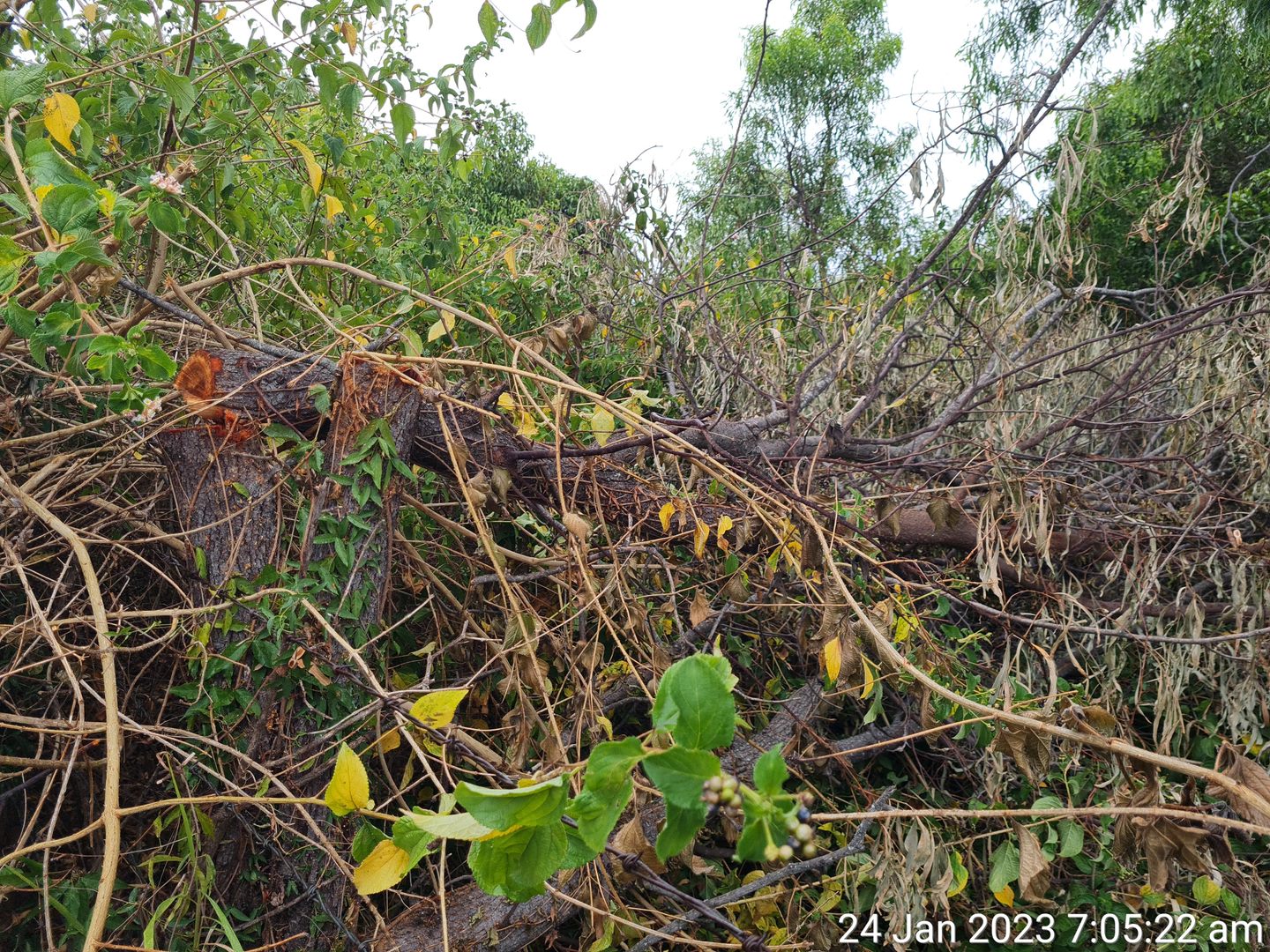
A few days later, another patch of trees behind the lantana was found to have been chainsawed, exacerbating the Goebels' concerns about the impact on their property.
"A few days after the fact, we found another patch of trees that had been chainsawed, behind the lantana," Mrs. Goebel said.
ETS has responded to the allegations, emphasising that their vegetation management practices align with their engagement by Energex.
An ETS lawyer clarified: "Our client's engagement by Energex specifies that the methods our client uses to manage tall-growing species should ensure as much low-growing vegetation remains as possible, with selective stem injection and tree removal being preferred over broad-scale herbicide application and the clearing of vegetation by mechanical plant and equipment."
Furthermore, ETS denied spraying herbicides on the Goebels' property.
"On 16 and 17 January 2023, our client was undertaking its vegetation management services in accordance with its engagement by Energex in the vicinity of the power poles and lines... and specifically not your client's property," the lawyer stated.
ETS maintains that they used a stem injection kit to avoid herbicide drift and that no herbicides were applied.
In a recent update, an ETS spokesperson told the National Indigenous Times "as the matter is going through a legal process, we are not able to comment any further."
Additionally, ETS has ceased all contact with the Goebels, leaving the family seeking answers and support from the community.
Member for Lockyer Jim McDonald has been involved in addressing the Goebels' concerns.
They told National Indigenous Times: "Jim is in touch with Tracey and Doug from Native Oz Bushfoods regularly and has represented them on several occasions following this incident."
Mr McDonald attended the property last year alongside Native Oz Bushfoods and an ETS representative, facilitating discussions with local council staff.
Mr McDonald has advocated for ETS to take responsibility and work collaboratively with the Goebels.
"He has encouraged ETS ownership to work with Tracey and Doug who could provide training to ETS staff in relation to the effects of poisoning culturally significant trees," the Goebels said.
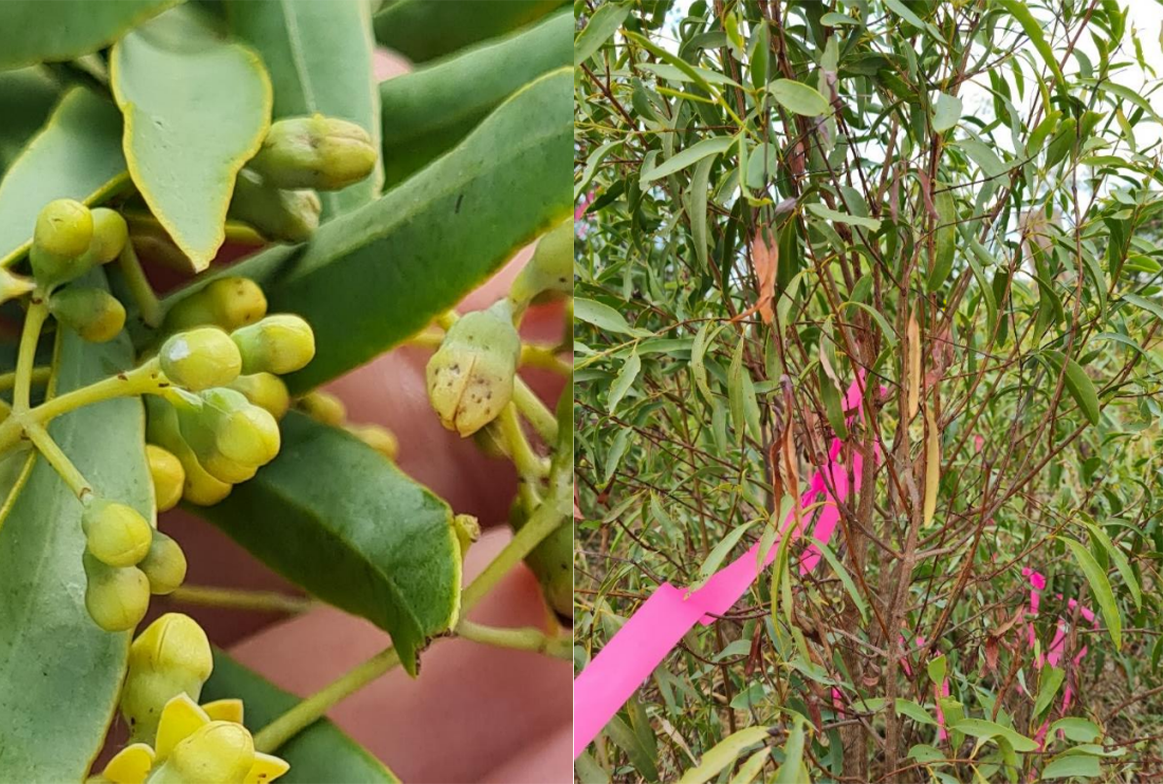
The Goebels emphasise the cultural and economic significance of the affected trees.
"Under cultural heritage, those trees are priceless; they're sacred to us," Doug Goebel said.
The destruction of the sandalwood trees, which have medicinal qualities and are used in ceremonies, has not only disrupted their business but also their cultural practices.
The incident has also had immediate repercussions on their operations.
"The day they did this, I had kindy kids coming in for a 'touch and taste tour,' and I had to cancel them," Ms Goebel told the Rural Independent, last year.
"We had no idea what chemicals were floating around."
Ms Goebel expressed frustration over the handling of the situation.
"They're a big company bullying a small Aboriginal business," she said.
She further questioned the contractor's actions.
"The biggest question we have is why the contractor came back the next day to continue the work rather than speak with his manager to discuss how to go about it the correct way."
"Only 16 hours later he came back and destroyed us.
"I would like to know why did that man come back after he spoke to us?"
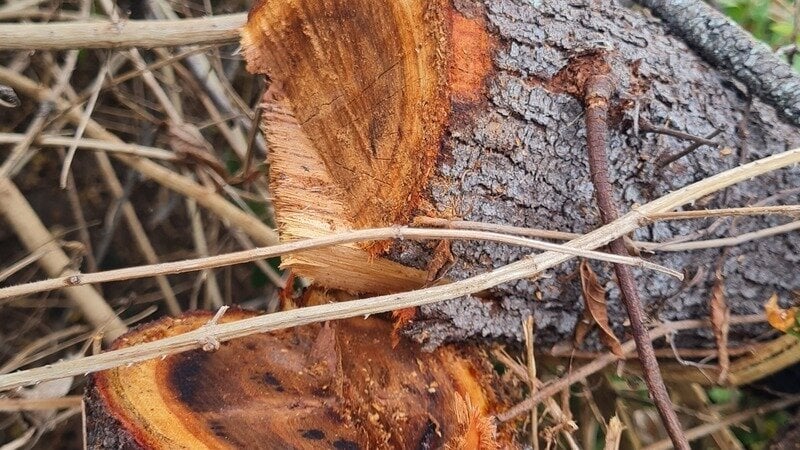
The Goebels have initiated a petition to garner public support and raise awareness about the importance of respecting culturally significant land and vegetation.
As ETS has allegedly ceased communication, the Goebels say they are relying on community support and legal avenues to pursue accountability.
Ms Goebel noted the power imbalance and the need for greater respect and understanding of Indigenous land rights and cultural heritage.



