




The peak body for Aboriginal children and families in New South Wales has called for stronger accountability and independent oversight after the Government announced it would take the lead in sweeping reforms to the state's out-of-home care (OOHC) system.
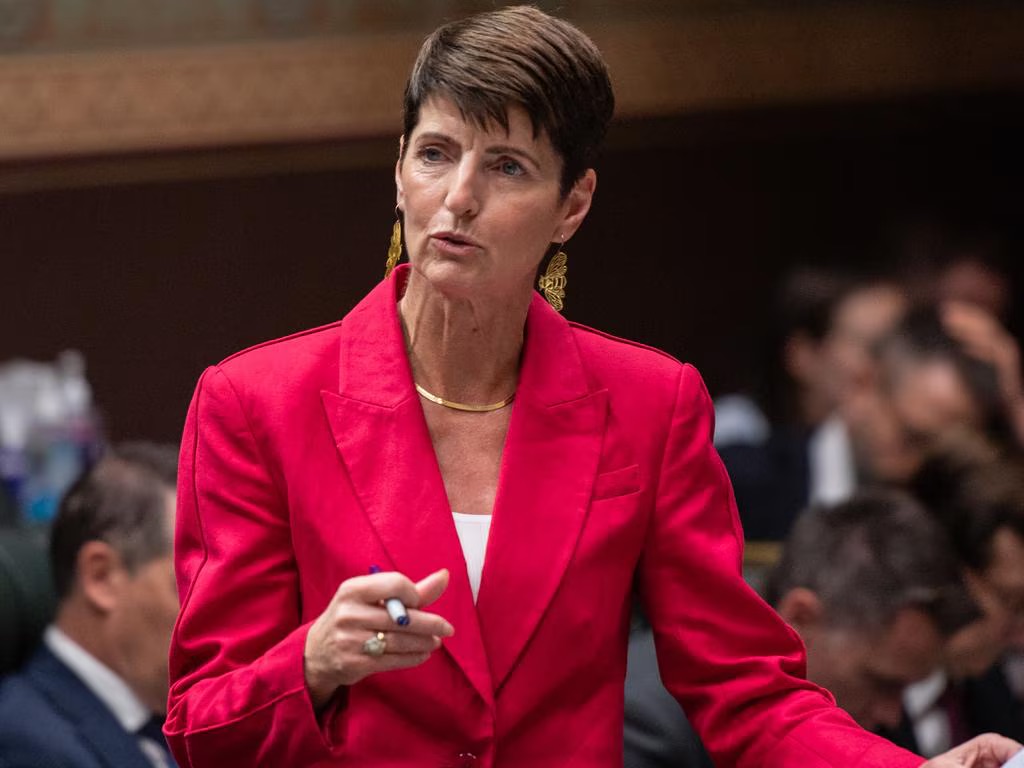
Families and Communities Minister Kate Washington said the sector — outsourced under the former Liberal government through the Permanency Support Program (PSP) in 2017 — would be overhauled with accountability and transparency at its core.
The government plans to wind down existing PSP contracts and redesign the system by 2030, with Aboriginal children supported by Aboriginal Community Controlled Organisations (ACCOs) wherever possible.
Under an ACCOs-first model, Aboriginal children will be placed with ACCOs as the primary option, with the Department of Communities and Justice (DCJ) stepping in for casework only where an ACCO cannot deliver.
"Despite significant and rising taxpayer investment, rates of restoration, guardianship and adoption continue to fall. It's clear the current program has failed to deliver, that's why we [are] undertaking significant reform," Ms Washington said.
"Accountability is non-negotiable when it comes to children's safety and public trust. We are building a new foster care system where kids come first - every child deserves to grow up with love, safety and stability."
In 2024, Aboriginal children were placed in OOHC at a rate of 45.1 per 1,000 — below the national average for Indigenous children but nearly ten times higher than non-Indigenous children in NSW.
AbSec NSW Child, Family and Community Peak Aboriginal Corporation welcomed parts of the reform, particularly the focus on increasing access to ACCO-led care, but said the government's promises of accountability and transparency must extend to every part of the system, including the DCJ.
Highlighting the timeline for reform, an AbSec spokesperson said: "Acknowledging a system is broken but saying it will take at least 4.5 years to fix suggests this cohort of young people are not a priority."
The organisation noted there were few details on how the ACCOs-first approach would work in practice, especially given close to four in five Aboriginal children in OOHC are currently managed by the department or non-ACCO providers.
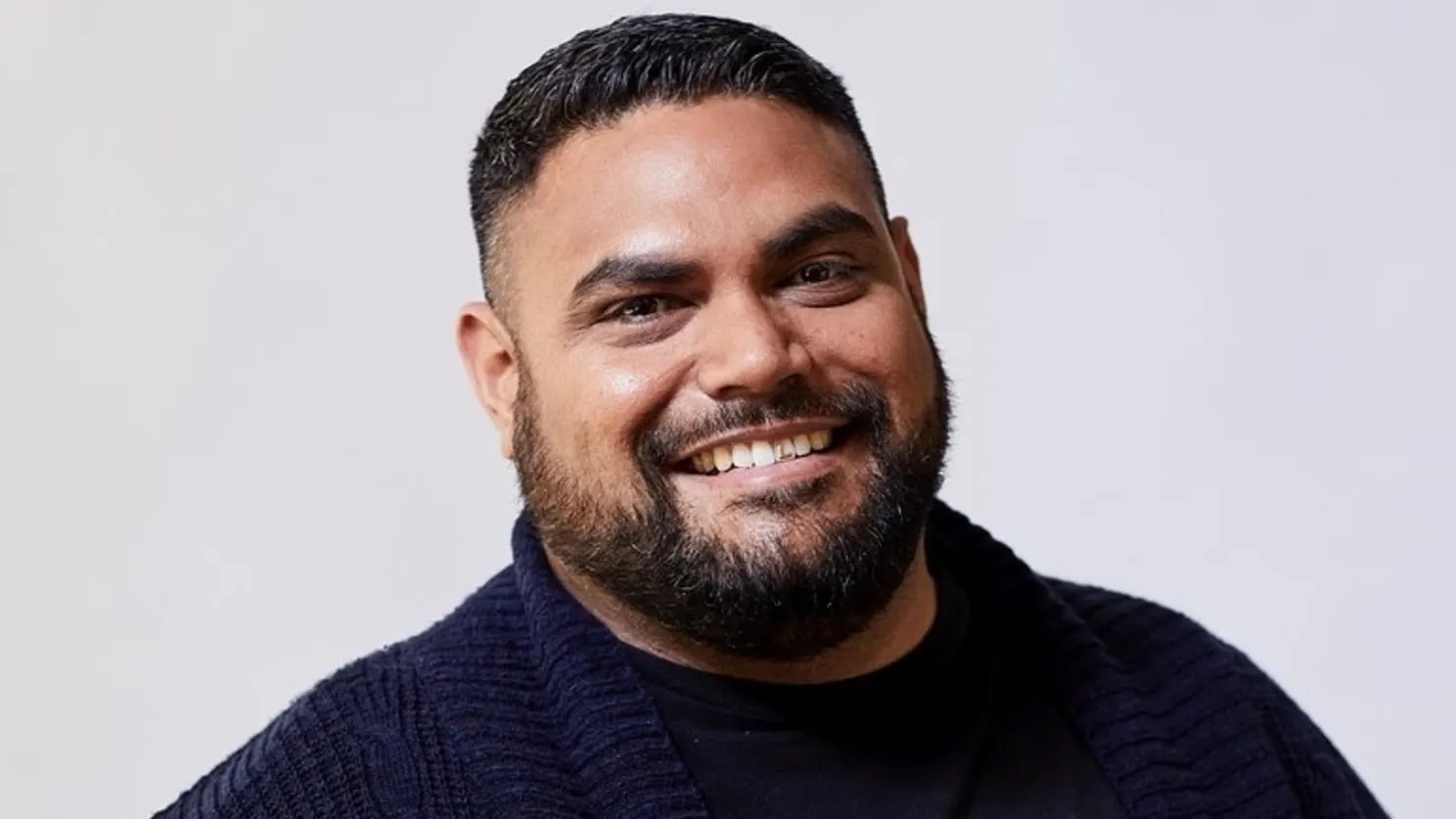
CEO John Leha said while the minister had acknowledged ACCOs provide the safest care, longstanding policies had not been properly implemented.
"Today, just over one in five Aboriginal children in out-of-home care have an ACCO providing their casework," he said. "DCJ has had seven years to implement its own policy and has not."
Over the past decade the number of Indigenous children in care in NSW has risen by 48 per cent, while the state's reunification rate sits at 15.2 per cent — the lowest in the country.
Ms Washington said there are "many dedicated, hardworking staff in this sector who are also being let down by the system we inherited," arguing the reforms are about offering better support to children, carers, families and the frontline workers.
"Accountability is non-negotiable when it comes to children's safety and public trust," she said. "We are building a new foster care system where kids come first - every child deserves to grow up with love, safety and stability."
A recent NSW Ombudsman investigation found the DCJ is closing 65 per cent of Risk of Significant Harm (ROHS) referrals without assessment — up from 60 per cent in 2022-23 — citing limited resources. AbSec said the result is fewer families receiving early support, and argued the department has failed children in therapeutic care, including not ensuring cultural support plans for Aboriginal children or consistent engagement in education.
Mr Leha said if the government is serious about implementing a "world-class" OOHC system, independent oversight, via a Child Safety and Wellbeing Commission, is needed to hold all parts of government to account.
"That includes government itself," he said, "as it assumes an expanded role and has so much urgent work...to do to address the system front-end failures so that risk is properly assessed, families are supported with relevant early support and children are not removed".



