




Independent Member for Mulka, Yingiya Guyula, has called for a major shift in the way governments approach Aboriginal housing, arguing that investment in homelands is critical to protecting culture, strengthening communities and creating safer futures for Aboriginal people.
Speaking at the recent Aboriginal Housing and Homelands Conference, Mr Guyula delivered an emotional and deeply personal address, drawing on his own experiences growing up on homelands in northeast Arnhem Land and warning that current policy settings continue to ignore Aboriginal solutions to Aboriginal challenges.
"I grew up out on country between Buckingham Bay and the mighty Arafura Swamp. I remember moving with the seasons to hunt for food and learning from Elders," he said.
Mr Guyula reflected on life at Mirrŋatja, where his family once lived.
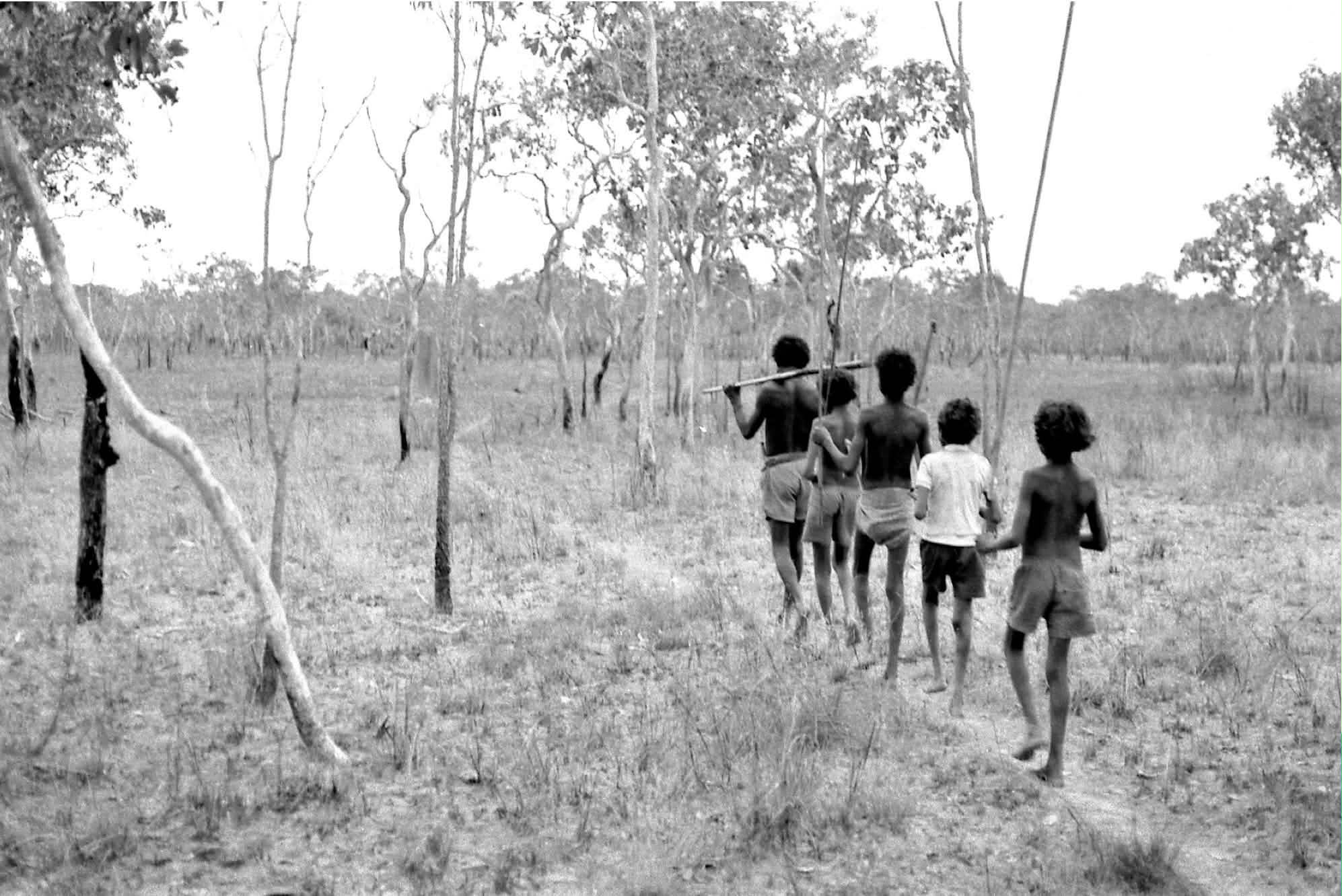
"At one time it had a school with 16 students in a tin shack," he said. "Today, there is no school there and the land is looked after by a ranger program."
He also pointed to Bunhuŋura, a homeland near Gapuwiyak, where members of his family still live.
"It has not had any new housing in 25 years," he said.
For Mr Guyula, the debate about housing is inseparable from broader questions of self-determination, cultural survival and community wellbeing.
Throughout his speech, he argued governments continue to make decisions about Aboriginal people without genuinely listening to Aboriginal voices.
"The government want to blame our people for the problems, but they also don't want to listen to us and work with us when we tell them that we have the answers," he said.
Mr Guyula described what he sees as a growing imbalance between government power and community authority, saying Aboriginal leaders are expected to solve complex social issues without the resources required to implement community-led solutions.
"The outcome of this imbalance means that we cannot fund community-led solutions, we cannot fund our community peacekeepers, we cannot fund our ceremony and education systems and employ our people to continue the teaching of raypirri - self-discipline, respect and education," he said.
His strongest message centred on the role of homelands themselves.
"As a leader, I am looking for ways to protect my people from these problems. And homelands have always been the answer," he said.
Mr Guyula spoke about the challenges facing larger hub communities, including overcrowding, violence, alcohol and drug issues, and the pressure placed on local leaders trying to respond with limited resources.
Across the Northern Territory, many remote communities continue to face severe overcrowding, ageing housing stock and long waiting lists for repairs and maintenance. Multiple families are often forced to live under one roof, placing pressure on household relationships, health outcomes and community wellbeing.
While governments have announced significant housing investments, many homeland residents say they are yet to see the benefits reach the places where they are most needed.
"We all know that our homelands are places of safety - safety for young people from a growing crime culture, safety for our physical health with good food and physical activity, safety for the protection and survival of our languages, law, and culture," Mr Guyula said.
Beyond their cultural importance, Mr Guyula said homelands also present opportunities for economic independence and long-term sustainability.
He challenged governments to rethink how remote housing funding is distributed, arguing that investment should not be concentrated solely in larger townships.
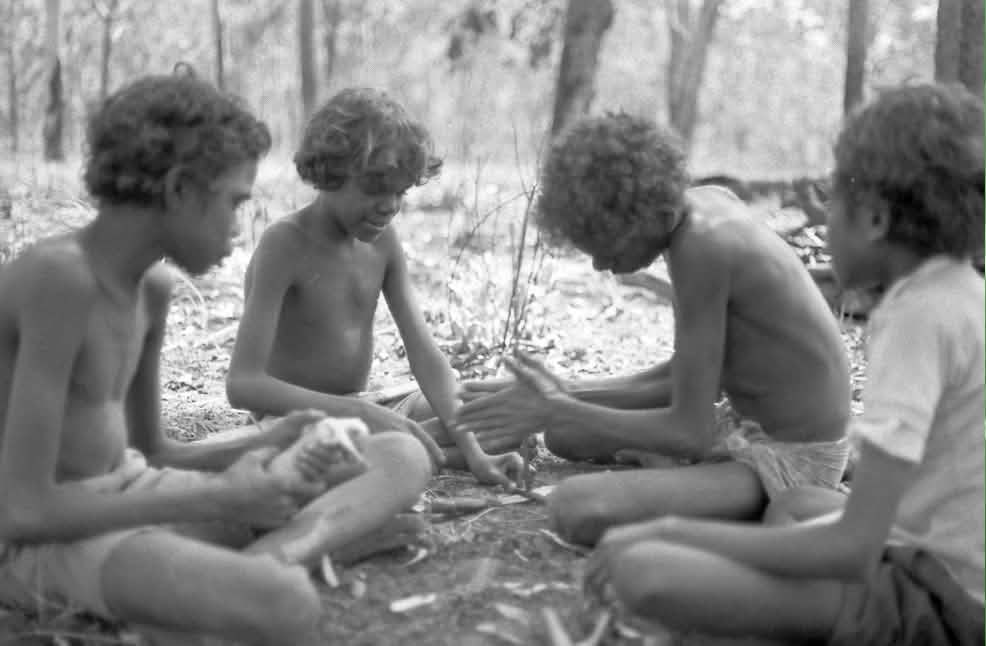
"If we build another sub-division in every hub town with 80 more houses, we are multiplying the problems in hub towns. If we take half of those houses out into our homelands, we are starting to solve our problems," he said.
Mr Guyula called for a greater share of the Commonwealth's $4 billion remote housing commitment to be directed towards homeland communities and advocated for the establishment of an independent Aboriginal-controlled housing body to guide future planning.
"We need to have self-determination when it comes to our housing," he said. "We need to be able to choose where and how and what type of housing we have."
His message to governments was clear.
"Right now, we have an NT Government making all the decisions for us, instead of with us."
As housing discussions continue across the Northern Territory, Mr Guyula said he will keep taking the message to Canberra and beyond.
"We need to see new housing in our homelands," he said. "And we need a partnership agreement with the Commonwealth Government."
For Mr Guyula, investing in homelands is not simply about building houses. It is about strengthening communities, protecting culture and ensuring Aboriginal people have the power to shape their own future.
His call should not be dismissed as another political argument about housing. It is a call for governments to be held accountable for the promises they have made to Aboriginal people for generations.



